
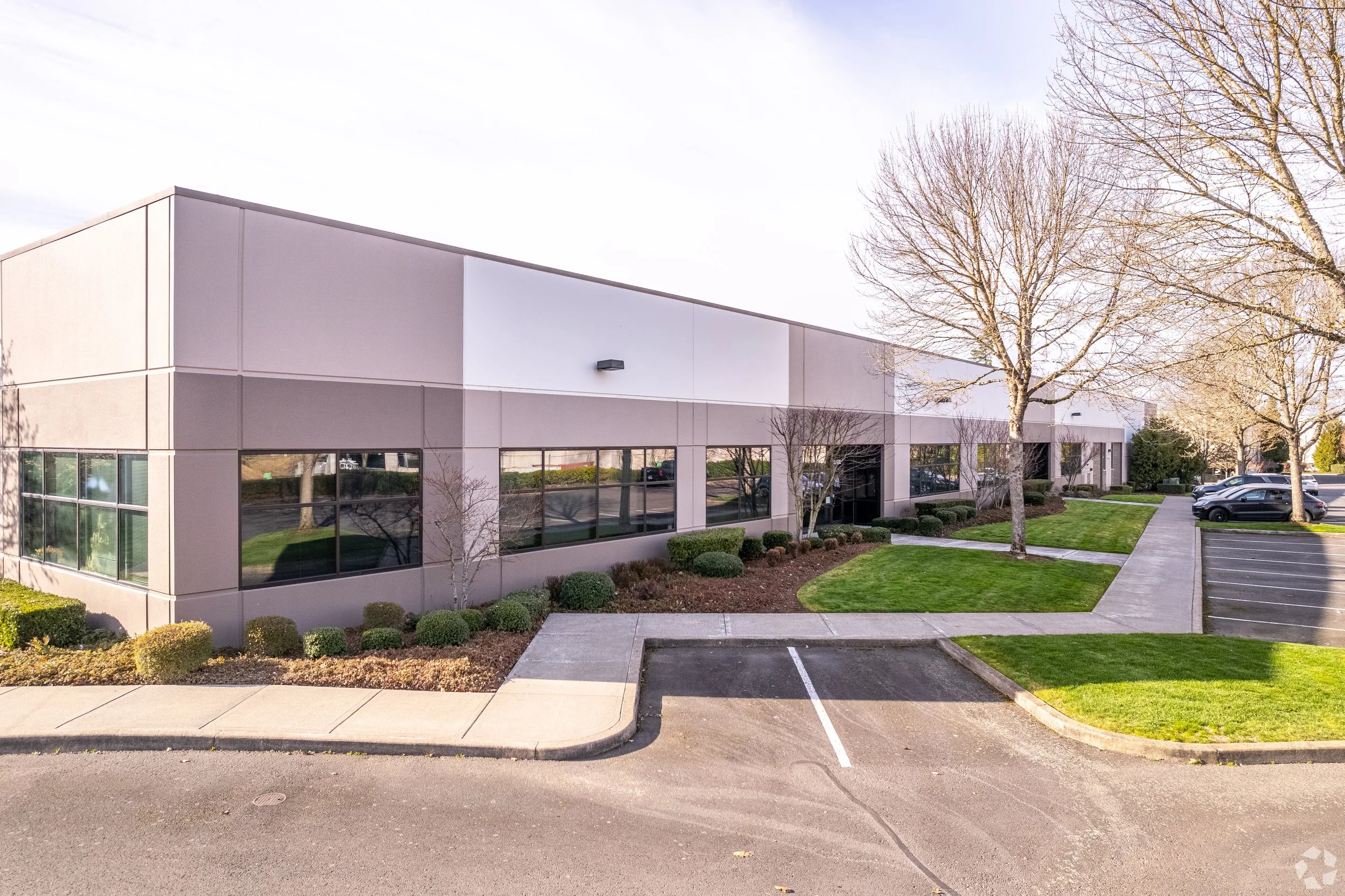
217 Corridor, Beaverton, Tigard, Tualatin
Westside business-park flex and service-industrial guidance—optimized for access, workforce, and day-to-day operations.
ABOUT 217 CORRIDOR, BEAVERTON, TIGARD, & TUALATIN
The 217 Corridor—Beaverton, Tigard, and Tualatin—is the Portland metro’s most consistent westside flex and service-industrial corridor, built around business parks and access to westside customers and labor. Users typically choose this area for operational convenience: short drives, predictable access, and flexible layouts that blend warehouse, office, and showroom. This page covers what fits best here, how to screen options quickly, and the deal terms that most affect total occupancy cost.
WHAT’S DIFFERENT ABOUT THIS SUBMARKET
This corridor behaves more like a business-park flex market than a pure warehouse district. The fastest way to narrow options is to confirm office percentage, parking ratio, and business-park rules (use restrictions, vehicle/trailer limits, outdoor storage) before spending time touring. In many 217 locations, the “best” space is the one that matches day-to-day operations—parking, client access, and workflow—rather than the lowest headline rent.
LOCATION INFORMATION
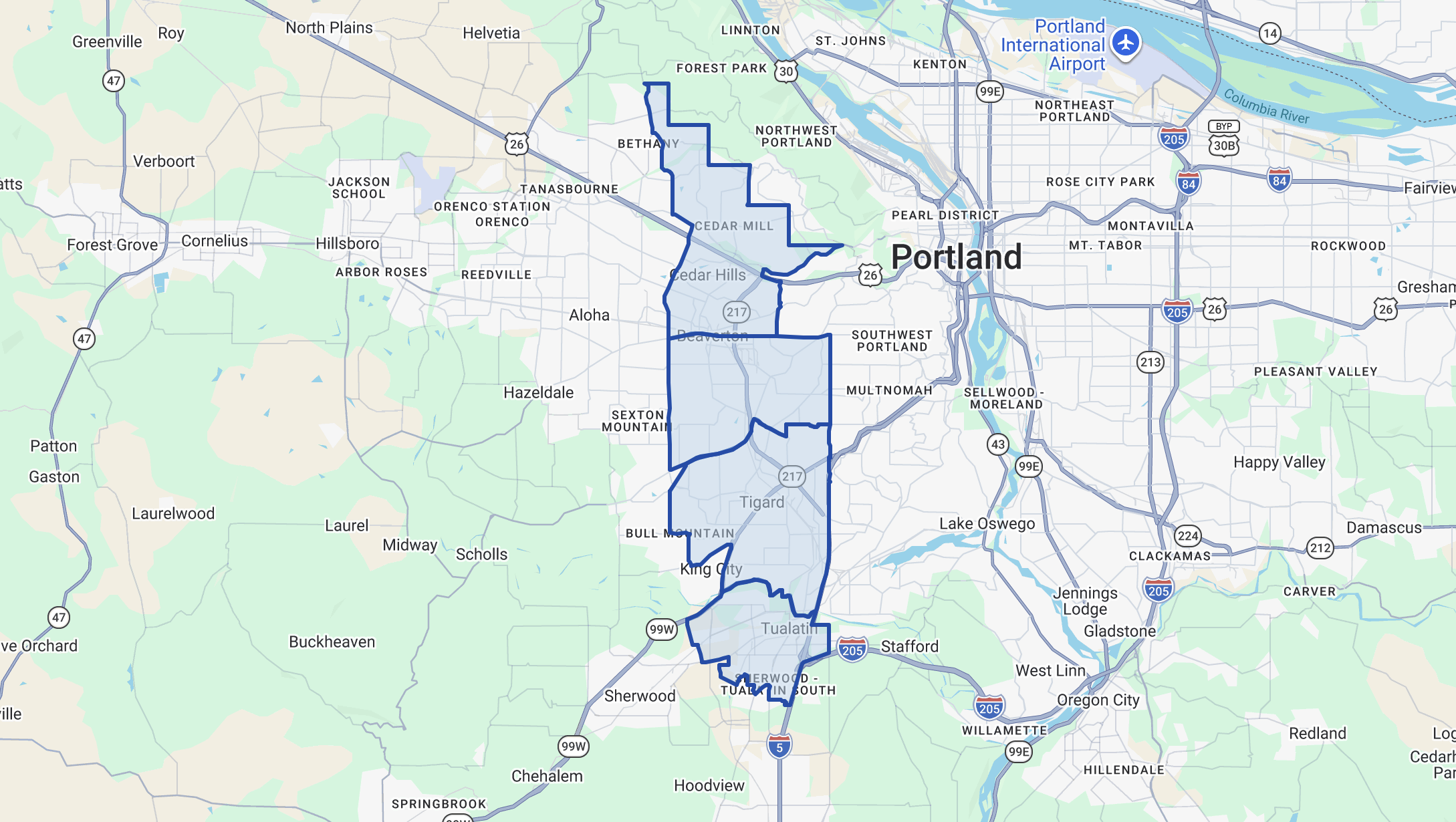
The 217 Corridor generally refers to the westside industrial and flex pockets along and near OR-217, spanning Beaverton, Tigard, and Tualatin, with quick connections to US-26 and I-5. Inventory clusters around established business parks and arterial routes; boundaries vary by listing, but the practical focus is westside flex/service product with strong access to customers, workforce, and regional routes.
QUICK SNAPSHOT
Known For
Business-park flex with higher office/showroom percentages
Strong westside customer and labor access
Tight controls on use, appearance, and parking in many parks
Typical User Profiles
Contractors and service businesses with office + warehouse needs
Showroom/light industrial users
Regional service operations prioritizing westside coverage
Best Fits
Users who need office-forward layouts with warehouse utility
Operations sensitive to staffing commute times and client access
Tenants who benefit from clean business-park presentation
Common Constraints
Outdoor storage and trailer/van parking often restricted
Parking ratios can be the limiting factor for staffing
Loading can be secondary (grade door count/placement varies)
Business-park rules can affect hours, signage, and vehicle types
RENT, PRICING, AND DEAL TERMS
Typical Deal Terms
217 Corridor terms are heavily influenced by office ratio, parking, and park rules. TI is commonly aimed at office/showroom rework and layout efficiency. The key is documenting what the operation needs (vehicles, signage, storage) in writing—because “standard” business-park assumptions vary widely.
Deal Killers
Park rules prohibit the operation’s vehicles or storage practices.
Parking is insufficient once staffing + visitors are modeled
“Flex” space has weak loading or poor door placement for workflow.
Mini Case Example
A westside service company needed office-forward flex with parking and minimal restrictions. Screening prioritized rules + parking before tours. The final deal structured TI for office rework and added clear language for vehicle parking and signage.
Negotiation Levers
Concessions: TI for reconfiguring office/showroom, free rent, turnkey scope
NNN/CAM language: inclusions/exclusions, admin fees, capital items
Expense controls: caps on controllables, audit rights, reconciliation clarity
Maintenance scope: HVAC/roof/lot responsibilities and standards
Options: renewal/expansion rights for stable operations
Comparing Proposals
Compare total occupancy cost using effective economics: base rent + operating expenses + concessions amortized over term + tenant costs (improvements, moving, downtime). In this corridor, office buildout scope and parking constraints often drive the real outcome.
SUBMARKET FAQ
-
Usually, yes. Many 217 Corridor buildings are office-forward flex where parking, client access, and layout matter as much as loading.
-
Outdoor storage, fleet/trailer parking, signage, and sometimes hours of operation. Confirm rules early to avoid dead-end tours.
-
Often the deciding factor. A space can look perfect on paper but fail if staffing growth outpaces the parking ratio.
-
Less often than freight corridors. Grade-level loading is common; verify door count/placement and delivery practicality.
-
The 217 Corridor generally offers more affordable flex product than Hillsboro/Sunset, with comparable parking ratios and similar building types. Hillsboro tends to have newer construction and more tech-adjacent demand, which pushes rates. The 217 Corridor has a broader range of building ages and qualities, which creates more negotiation room. For businesses that need westside access but don't specifically need to be in Hillsboro, the 217 Corridor is usually the better value play.
-
Business park flex space along the 217 Corridor often has shared parking ratios that look adequate on paper but get tight in practice — especially if your operation has a higher employee density or customer/vendor visit volume than the park was designed for. Verify allocated parking stalls, shared-use rules, and any restrictions on commercial vehicle or trailer parking. Some parks limit overnight parking, restrict vehicle types, or charge separately for oversized spots.
-
Many 217 Corridor properties are in business parks with CC&Rs that restrict noise, outdoor storage, signage, hours of operation, and building modifications. If your operation needs anything beyond standard office/warehouse use — outdoor equipment, early/late shifts, visible signage, or frequent truck deliveries — review the CC&Rs before signing. A building that's zoned industrial may still have private restrictions that limit your operation.
WHAT’S YOUR PROPERTY WORTH?
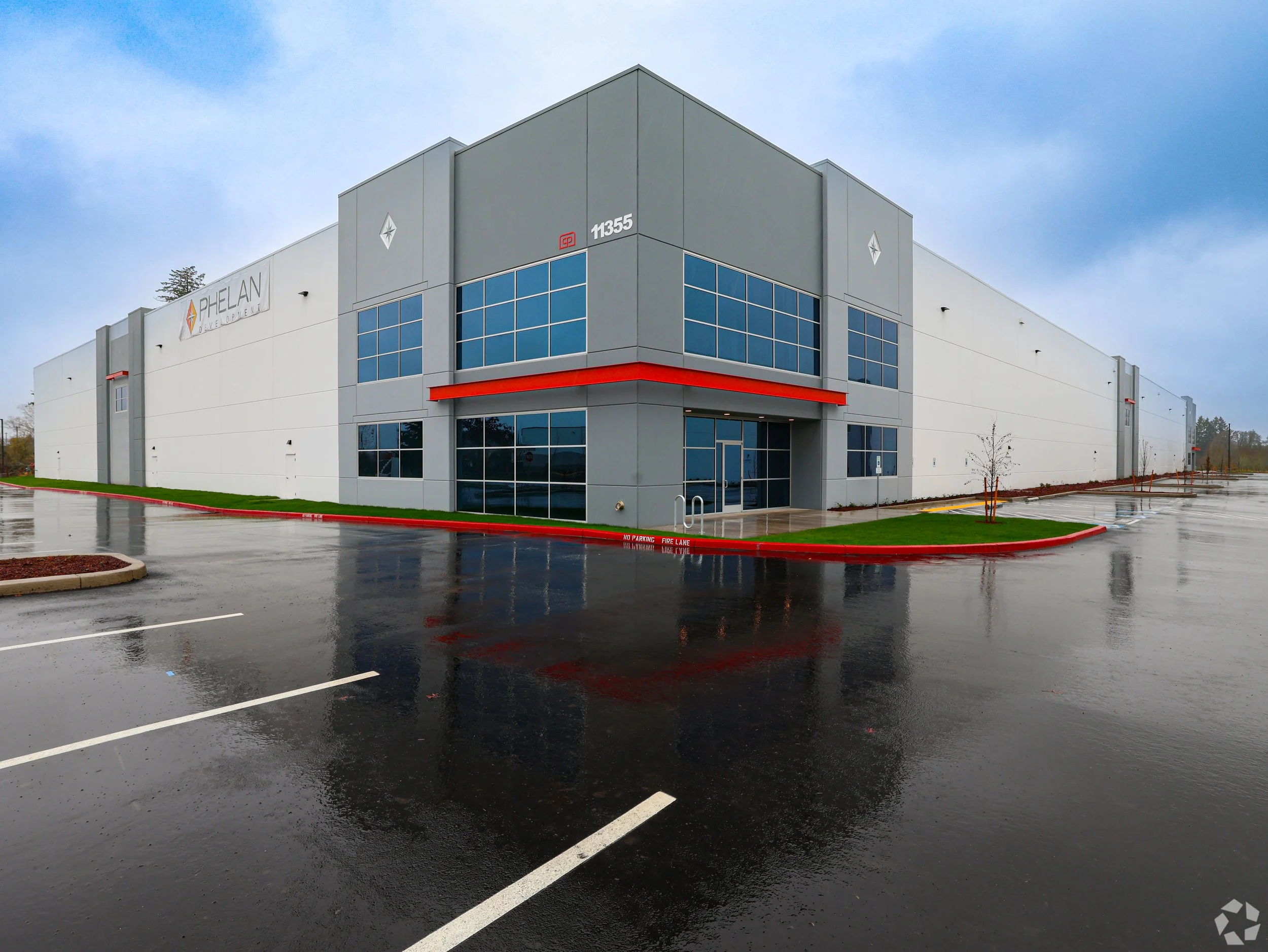
Whether you're benchmarking against recent warehouse and distribution sales, evaluating a hold-vs-sell decision, or preparing for a refinance conversation, a broker opinion of value gives you a clear, comp-based pricing range for your Airport Way or Columbia Corridor industrial property. I'll deliver a 50–80+ page report covering comparable sales, lease comps, vacancy analytics, and a pricing summary with conservative, probable, and optimistic values — at no cost and no obligation.
ARE YOU PAYING THE RIGHT LEASE RATE?
Whether you're negotiating a new warehouse lease, approaching a renewal in the Columbia Corridor, or evaluating whether your current rate reflects today's market, a lease rate analysis gives you the data to negotiate from a position of strength. I'll pull recent lease comps, concession packages, and vacancy trends for Airport Way and Columbia Corridor industrial space — so you know exactly what tenants like you are paying and where there's room to negotiate.
RELATED

GET IN TOUCH
Contact Matt Lyman at Norris & Stevens about leasing or buying industrial and flex space in the 217 Corridor, Beaverton, and Tigard. Whether you're a contractor running a service fleet, a light manufacturer needing westside access, or a business looking for flex space with strong parking, share your situation and Matt will follow up with current availability and market context.
Include your space requirements — size range, office-to-warehouse ratio, parking, loading, and timeline — and Matt will respond with 217 Corridor, Beaverton, Tigard and Tualatin options that fit.