
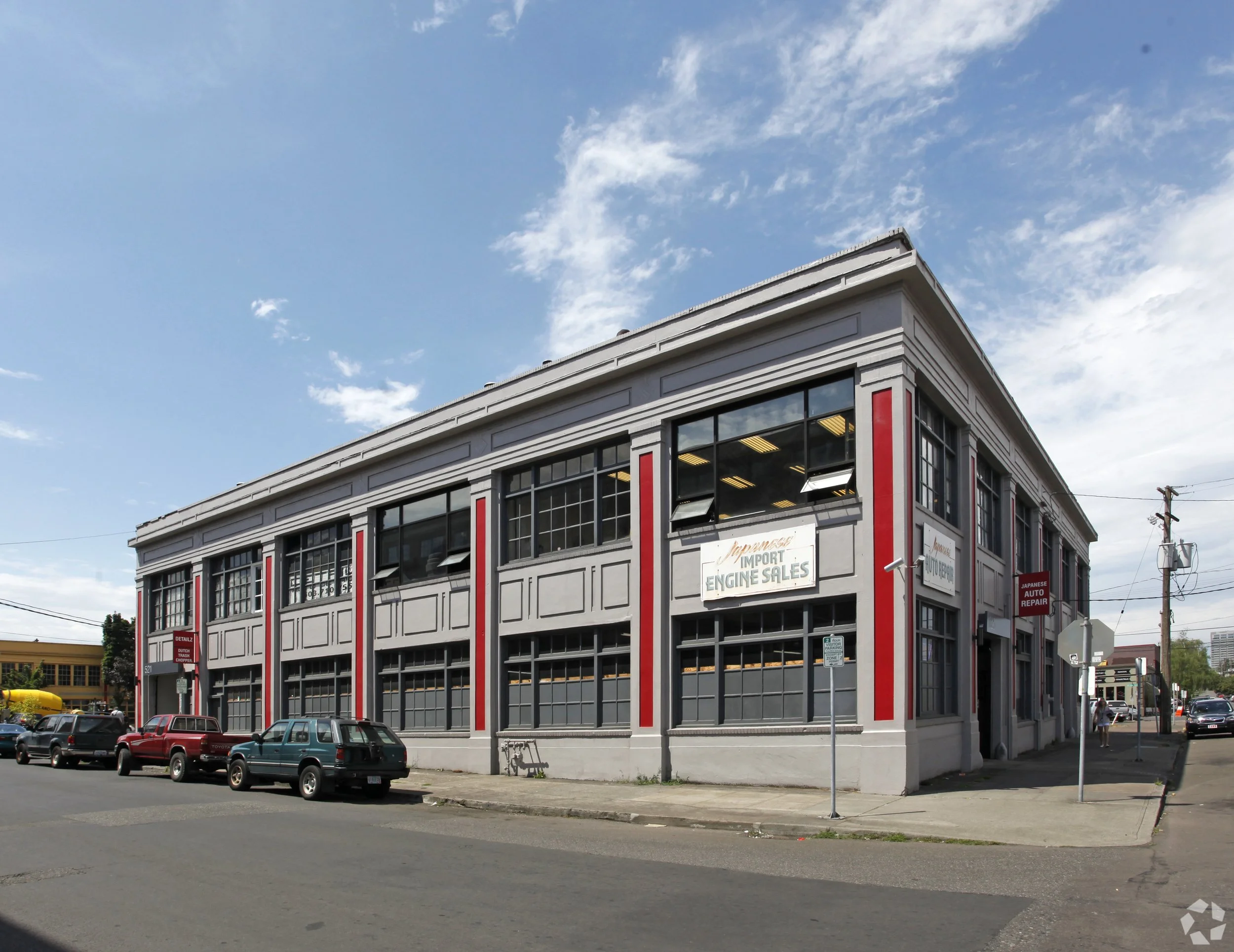
Central East Side & Inner SE
Central Eastside industrial guidance for close-in flex users needing central access, workable parking, and delivery practicality.
ABOUT CENTRAL EAST SIDE & INNER SOUTH EAST
Central Eastside and Inner Southeast are close-in Portland industrial areas where central access and mixed-use flexibility often matter as much as pure warehouse specs. Inventory typically includes flex/industrial, creative-style spaces, functional older industrial, and smaller footprints where parking, zoning fit, and layout can be the deciding factors. This page covers what usually works here, how to evaluate options quickly, and which deal terms most affect total occupancy cost.
WHAT’S DIFFERENT ABOUT THIS SUBMARKET
Central Eastside and Inner Southeast are Portland’s most close-in, mixed-use industrial pockets, where access to the core and flexible layouts often matter more than pure warehouse specs. Inventory skews toward flex/creative-industrial, showroom, and functional smaller footprints, with constraints that don’t show up in headline listings—especially parking, delivery access in tight streets, and use compatibility with nearby neighbors. The fastest way to narrow options is to confirm parking and delivery practicality first, then evaluate layout/office ratio and any restrictions tied to hours, noise, or outdoor activity.
LOCATION INFORMATION
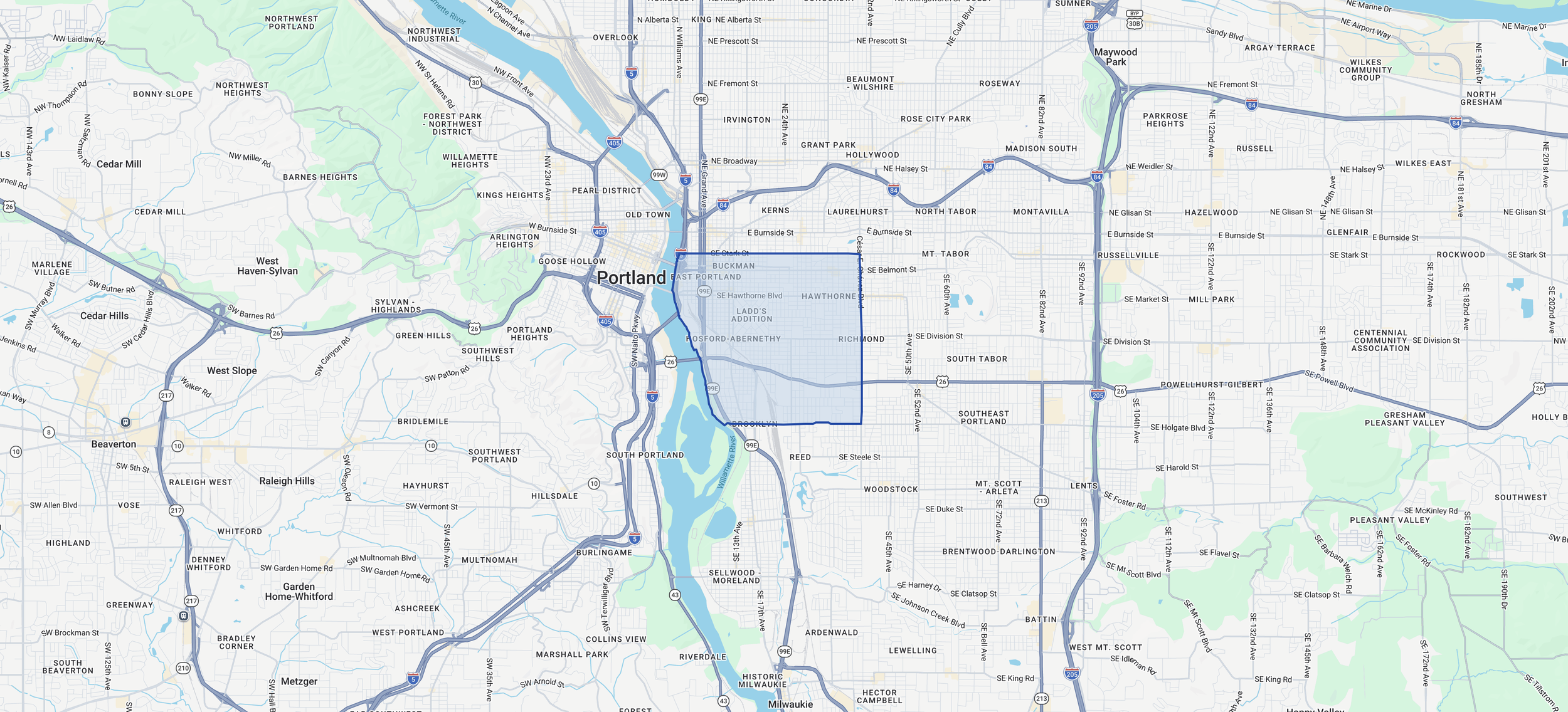
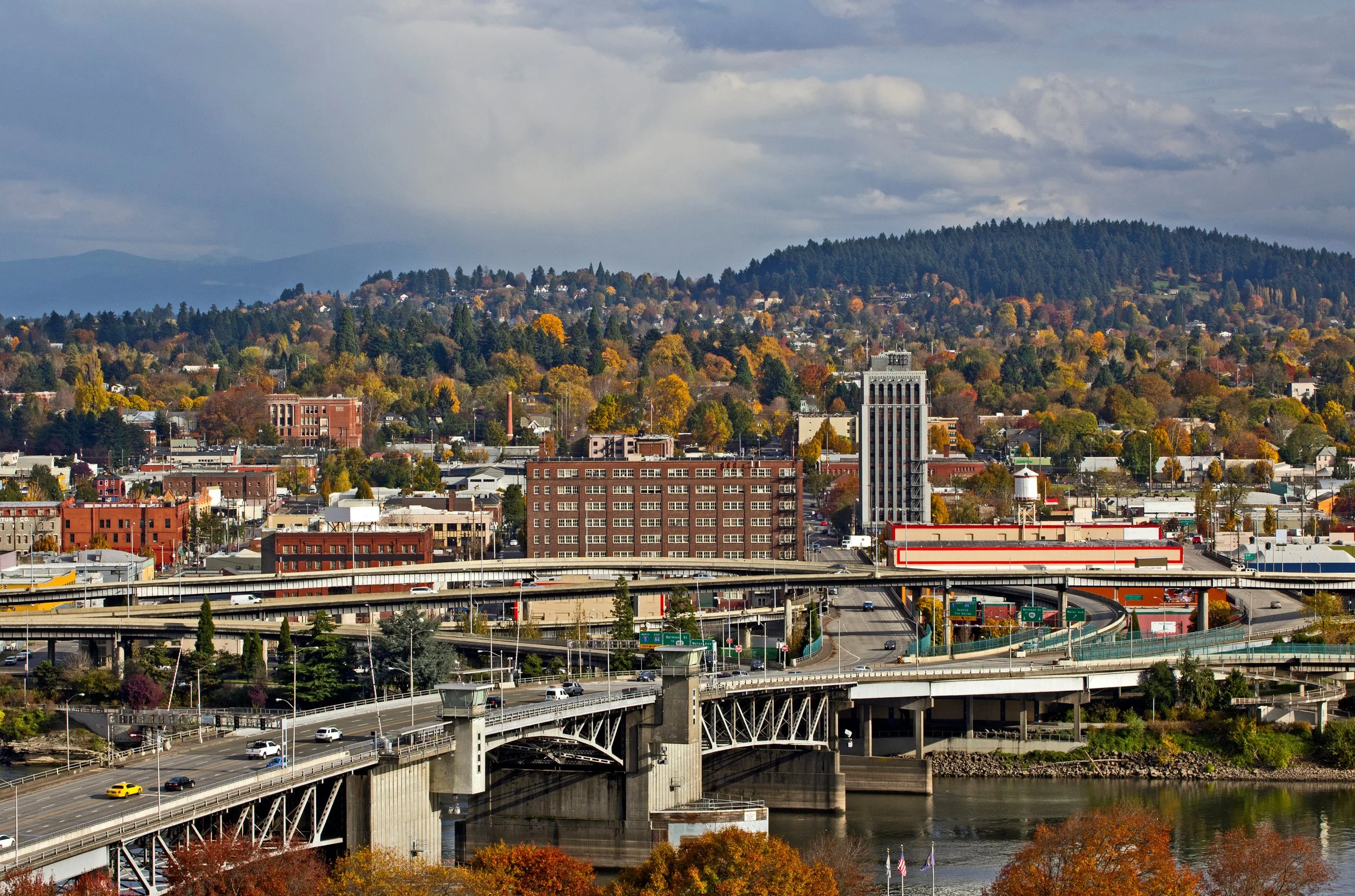
Central Eastside generally refers to the close-in eastside district just across the river from Downtown Portland, extending through inner Southeast industrial pockets. The area is anchored by quick access to central Portland and primary east-west routes, with many properties clustered around close-in corridors and mixed-use industrial streets. Boundaries vary by listing; the practical focus is close-in flex and industrial space with strong central access.
QUICK SNAPSHOT
Known For
Close-in location with strong central access and visibility
Flex/industrial and creative-style inventory mixed with functional older industrial
Smaller sites and tighter parking/yard constraints than outer submarkets
Typical User Profiles
Creative and showroom/flex users
Light production, assembly, and maker space users
Service businesses prioritizing central response times and proximity to clients
Best Fits
Users who need central access and can operate with limited yard/trailer needs
Tenants valuing a flexible layout (warehouse + office/showroom)
Companies that benefit from visibility and proximity to the core
Common Constraints
Parking can be a limiting factor depending on use and hours
Yard and trailer parking are uncommon; site constraints vary widely
Zoning/use restrictions and neighbor impacts can be more relevant close-in
Older buildings may require closer diligence on condition and systems
RENT, PRICING, AND DEAL TERMS
Negotiation Levers
Concessions: free rent, TI/turnkey packages, phased buildout
NNN/CAM language: inclusions/exclusions, admin/management fees, capital items
Maintenance responsibilities: clarify HVAC, roof/structure, plumbing, and common areas
Options: renewal, expansion, early termination where justified
Use/alterations language: signage, operating hours, improvements, and approvals
Mini Case Example
A close-in flex user needed central access but couldn’t compromise on parking and delivery flow. Properties were screened first by parking + delivery practicality, then by layout. The negotiated lease clarified HVAC/roof responsibility and avoided hidden maintenance exposure.
Typical Deal Terms
Central Eastside deals often revolve around parking, delivery practicality, and use compatibility in close-in mixed areas. TI is commonly allocated toward layout efficiency (office/warehouse balance), basic upgrades, and code-driven items. Because older buildings are common, clarity on HVAC/roof responsibilities and after-hours operating expectations is critical.
Deal Killers
Parking doesn’t support staffing or customers (and there’s no workaround).
Delivery access is tight in practice (street geometry, staging, or timing restrictions).
“Cool factor” hides functional issues (layout, power, HVAC, loading).
Comparing Proposals
Compare options using effective economics—not just headline rent. Start with base rent and add operating expenses (NNN/CAM), then factor in concessions like free rent and TI by spreading them over the lease term. For Central Eastside/Inner Southeast, include the costs that often drive the real outcome: parking solutions, delivery constraints (staging, access, timing), any required upgrades (HVAC, electrical, sprinklers), and who is responsible for major repairs. The best deal is the option with the lowest total occupancy cost and the fewest operational surprises—not the lowest quoted rate.
SUBMARKET FAQ
-
Creative/showroom, light production, service users, and tenants who benefit from central access and flexible layouts.
-
Yes—parking can be a primary limiter. Confirm counts, restrictions, and peak-hour needs early.
-
Focus on practical delivery access, turning, and door placement—not just whether a listing says “loading.”
-
The Central Eastside has employment and industrial sanctuary zoning that protects certain industrial uses from being displaced by office or retail conversion. However, the overlay creates complexity — some buildings have mixed-use allowances, others don't. Permitted uses, signage restrictions, and parking requirements can vary by specific tax lot. Verify zoning compliance with the city before signing an LOI, especially for uses that blur the line between production and retail.
-
Generally yes. Close-in proximity, neighborhood demand from creative and food production tenants, and constrained supply push rates above what you'd pay in Clackamas, Gresham, or even parts of Airport Way. The trade-off is location — if your operation depends on being close to customers, employees, or suppliers in inner Portland, the premium may be justified. If you're purely optimizing for cost and space, outer submarkets will give you more square footage for the money.
-
Most Central Eastside buildings have grade-level loading — drive-in doors, roll-ups, or at-grade bays. True dock-high loading is less common due to older building stock and tighter sites. If your operation needs dock loading, the available inventory narrows significantly. For users who can work with grade access — food production, fabrication, creative studios — the options are broader.
WHAT’S YOUR PROPERTY WORTH?
Whether you're benchmarking against recent warehouse and distribution sales, evaluating a hold-vs-sell decision, or preparing for a refinance conversation, a broker opinion of value gives you a clear, comp-based pricing range for your Airport Way or Columbia Corridor industrial property. I'll deliver a 50–80+ page report covering comparable sales, lease comps, vacancy analytics, and a pricing summary with conservative, probable, and optimistic values — at no cost and no obligation.
ARE YOU PAYING THE RIGHT LEASE RATE?
Whether you're negotiating a new warehouse lease, approaching a renewal in the Columbia Corridor, or evaluating whether your current rate reflects today's market, a lease rate analysis gives you the data to negotiate from a position of strength. I'll pull recent lease comps, concession packages, and vacancy trends for Airport Way and Columbia Corridor industrial space — so you know exactly what tenants like you are paying and where there's room to negotiate.
RELATED
GET IN TOUCH
Contact Matt Lyman at Norris & Stevens about leasing or buying flex and industrial space in Portland's Central Eastside and Inner Southeast. Whether you're a creative production company, food manufacturer, or service business looking for close-in space with character, share your situation and Matt will follow up with current options and market context.
Include your space requirements — size range, loading type, power needs, parking, and any zoning or use considerations — and Matt will respond with Central Eastside options that fit.