
NW Portland & Guild’s Lake
Close-in Northwest industrial guidance for warehouse and flex users who need central access and freight connectivity.
ABOUT NW PORTLAND & GUILD’S LAKE
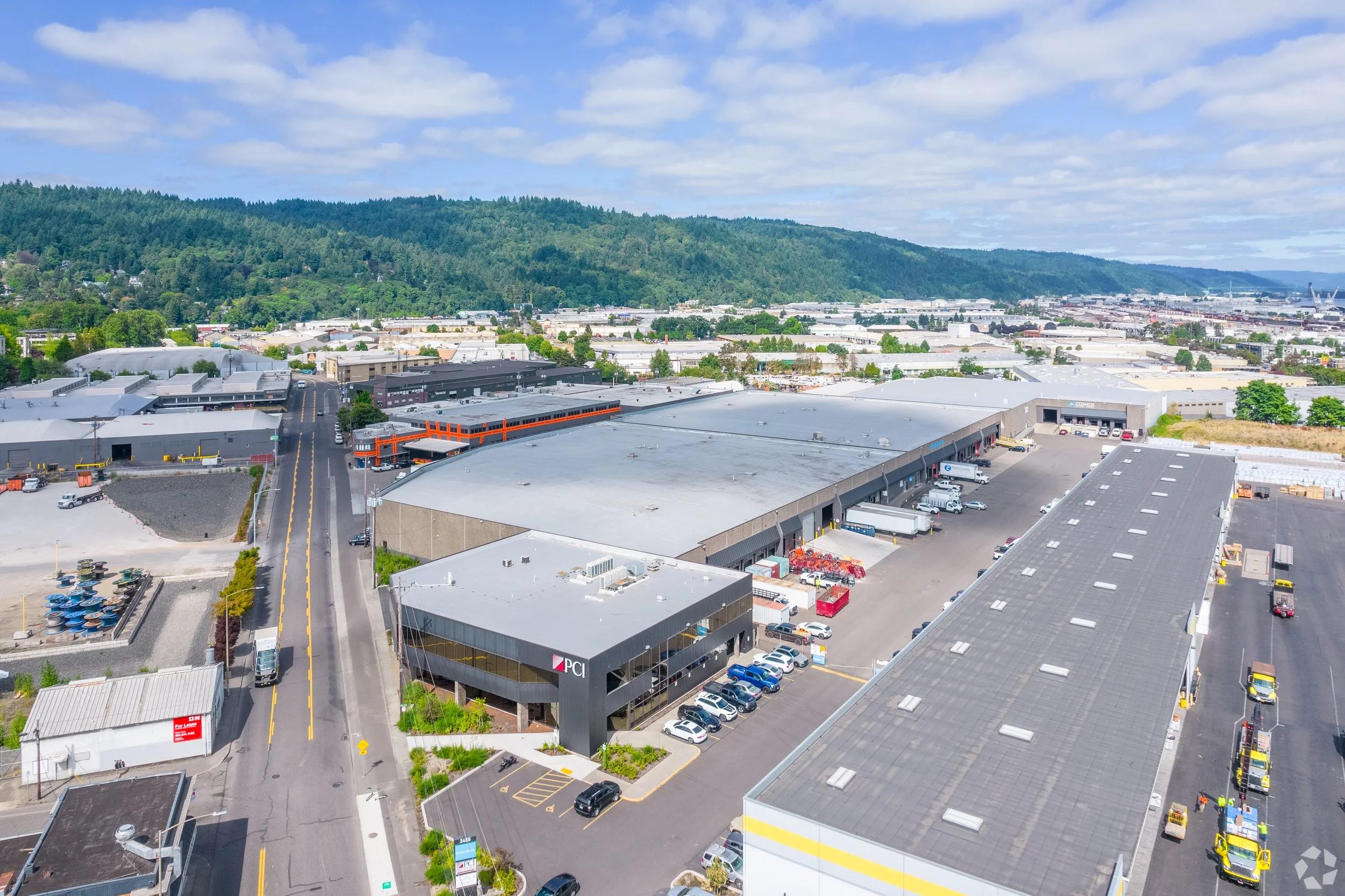
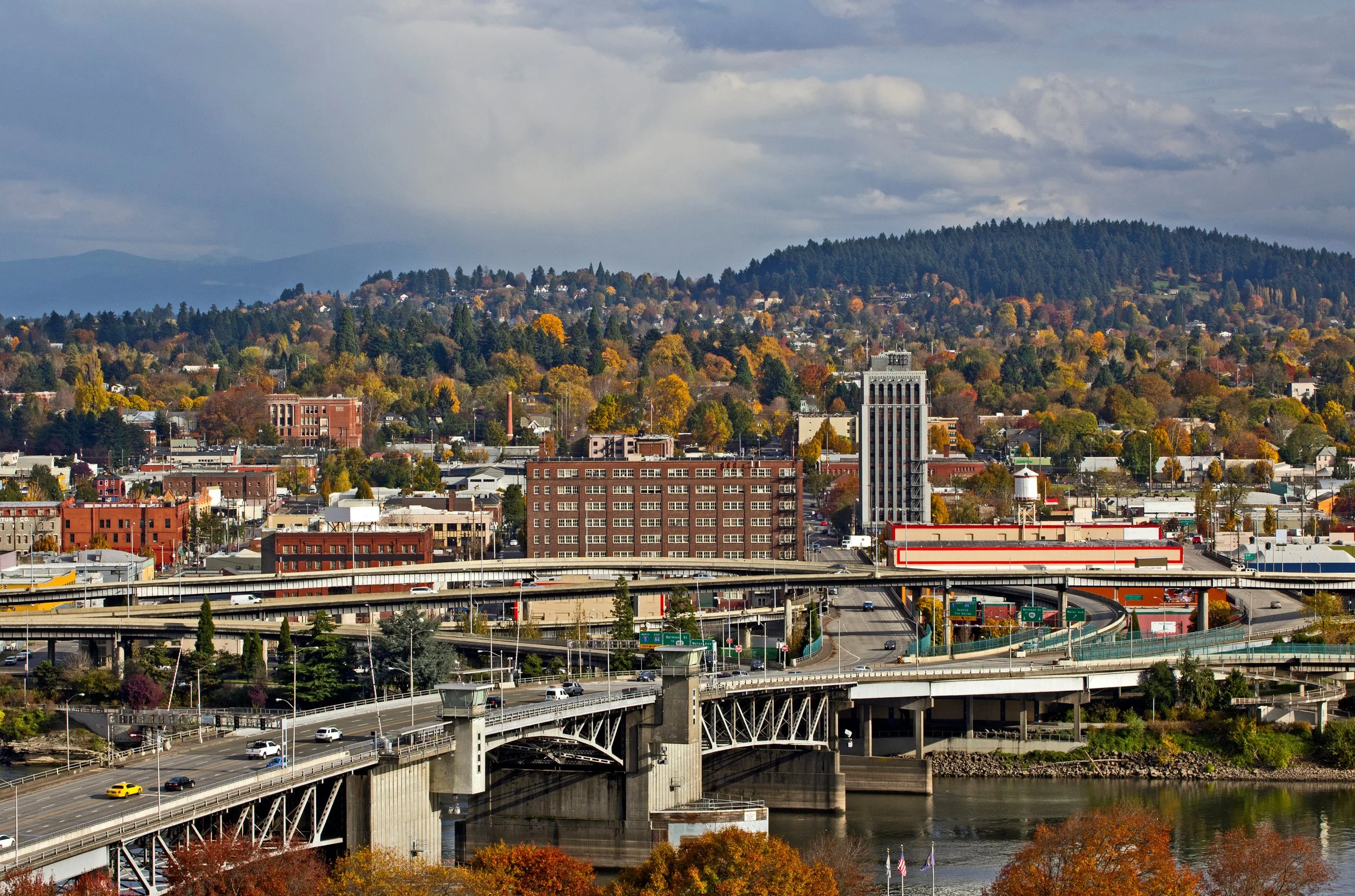
NW Portland and the Guild’s Lake area form one of Portland’s most important infill industrial districts—close to the core, shaped by freight routes, and built around a mix of functional warehouse, flex, and service industrial uses. Users often choose this corridor when central access and response times matter, but the tradeoff is tighter sites and fewer “perfect-fit” options. This page covers what typically works here, how to evaluate options quickly, and the deal terms that most affect total occupancy cost.
WHAT’S DIFFERENT ABOUT THIS SUBMARKET
NW Portland and Guild’s Lake are defined by infill constraints: limited land, established industrial users, and access patterns that make real-world delivery flow more important than a listing’s headline specs. The fastest way to narrow options is to confirm truck routing and delivery practicality first, then evaluate parking, loading configuration, and use compatibility to avoid late-stage surprises.
LOCATION INFORMATION
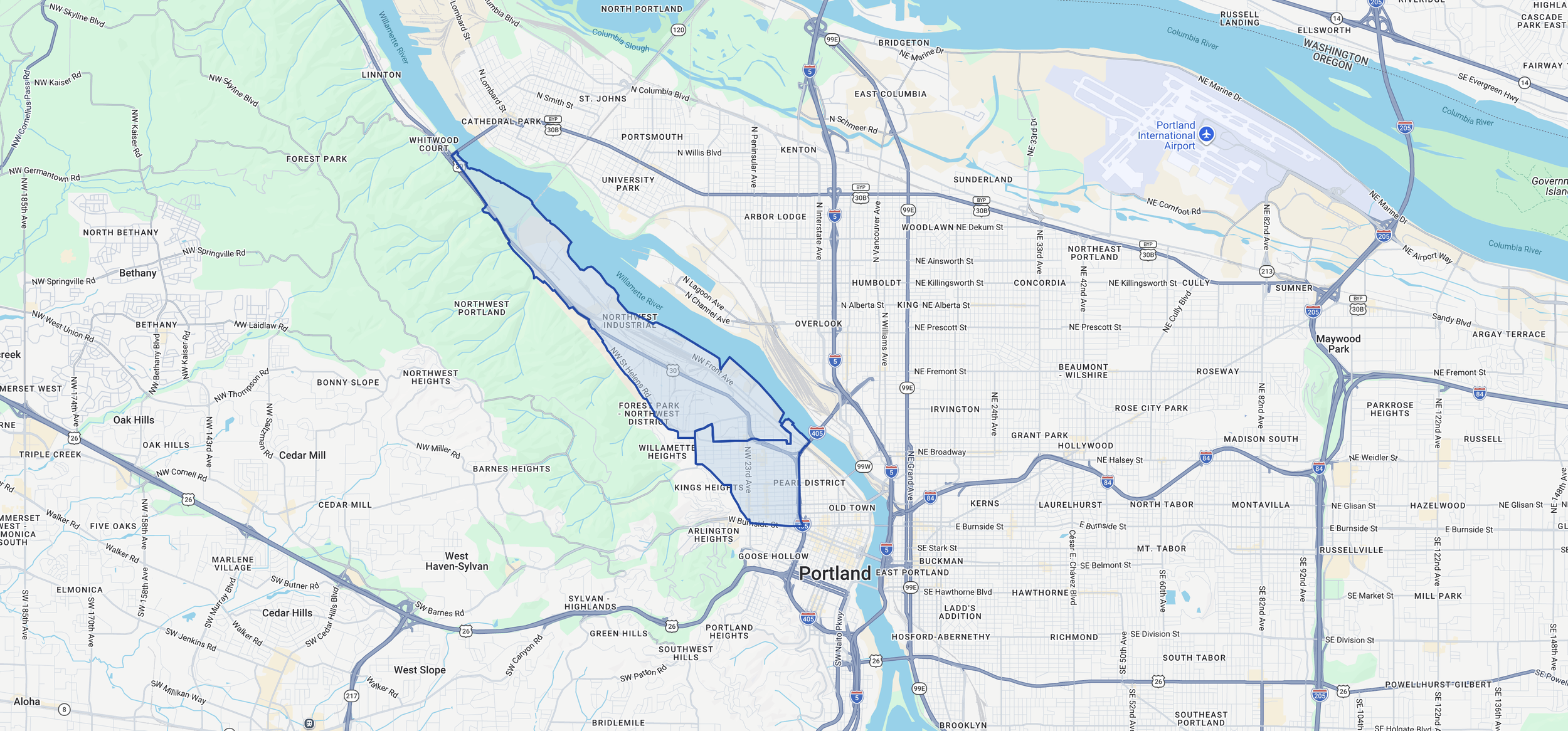
This submarket generally includes the industrial pockets in Northwest Portland around Guild’s Lake, positioned between the river/industrial waterfront and the central city. The corridor benefits from quick access to key freight routes serving NW and North Portland, but boundaries vary by listing; the practical focus is close-in industrial inventory where access, circulation, and site utility drive outcomes.
QUICK SNAPSHOT
Known For
Close-in NW infill industrial with strong central access
Mix of functional warehouse, flex, and service industrial users
Site constraints that make circulation, parking, and loading “real-world” issues
Typical User Profiles
Service and contractor operations needing fast response times
Distribution users with shorter delivery routes
Light industrial users prioritizing central access and workforce proximity
Best Fits
Users who value central access over abundant yard/trailer capacity
Operations that can work within tighter sites and older building stock
Tenants needing a flexible warehouse/office mix close to the core
Common Constraints
Parking can be limited depending on the building and staffing model
Truck access/circulation varies—confirm turning and staging early
Older buildings can require diligence on roof/HVAC/power/sprinklers
Outdoor storage assumptions are often wrong—confirm permitted use and terms
RENT, PRICING, AND DEAL TERMS
Typical Deal Terms
NW Portland/Guild’s Lake is an infill market where site utility and building condition drive outcomes. Concessions often depend on roof/HVAC realities and delivery condition. Lease language should be tight on maintenance scope, delivery access, and what costs can flow through operating expenses.
Deal Killers
Delivery and staging don’t work in practice for the vehicle types.
Older building systems create unexpected downtime/cost.
Parking constraints break the staffing model.
Mini Case Example
A close-in operator needed central access with workable delivery flow. Options were screened by delivery practicality and parking first, then by layout. Negotiations clarified HVAC/roof responsibilities and reduced exposure to surprise maintenance charges.
Levers That Matter
Concessions: free rent, TI/turnkey scope, delivery condition clarity
NNN/CAM language: inclusions/exclusions, admin fees, capital items
Expense controls: caps on controllables, audit rights, reconciliation clarity
Maintenance scope: roof/structure/HVAC/lot responsibility and standards
Options: renewal/expansion rights where operational continuity matters
Comparing Proposals
Compare total occupancy cost using effective economics: base rent + operating expenses + concessions amortized over term + tenant costs (improvements, moving, downtime). In infill corridors, access constraints and maintenance scope often drive the real outcome more than the headline rent.
SUBMARKET FAQ
-
Proximity—shorter response times, central access, and workforce convenience can outweigh the lack of large yards or perfect truck courts.
-
It depends. Some sites work well, others don’t. The key is verifying turning, staging, and delivery paths early for your specific vehicle types.
-
Often, yes. Diligence on roof/envelope, HVAC, power, and sprinklers is important, especially if the use involves equipment or high storage loads.
-
Less common than outer corridors. If it’s needed, confirm permitted use, exclusivity, screening requirements, and what the lease actually allows.
-
Very. Guild's Lake and the NW industrial pocket have limited inventory with almost no new construction pipeline. When a space opens up, it leases quickly — particularly for smaller units under 10,000 SF. Tenants who need to be in NW Portland specifically should start their search early and be prepared to move fast on the right option. If your location requirement is "close-in" rather than specifically NW, broadening to Swan Island or Central Eastside increases your options.
-
Building trades contractors, specialty fabricators, equipment rental, auto/marine service, and small-scale production and distribution businesses that serve the central city. The corridor's appeal is proximity — these are businesses whose employees and customers are concentrated in inner Portland and who need to minimize response time or delivery distance. Tenants who prioritize square footage, modern specs, or lower rates over location will find better value in outer submarkets.
-
The NW industrial pocket depends on Hwy 30 and local arterials for truck access. During peak commute hours, Hwy 30 congestion can affect delivery timing and employee commutes. Some Guild's Lake streets have weight or turning restrictions that limit large vehicle access. If your operation runs box trucks or larger, verify the access route from your building to Hwy 30 and I-405 — site access that works on a map may not work with a loaded truck.
WHAT’S YOUR PROPERTY WORTH?
Whether you're benchmarking against recent warehouse and distribution sales, evaluating a hold-vs-sell decision, or preparing for a refinance conversation, a broker opinion of value gives you a clear, comp-based pricing range for your Airport Way or Columbia Corridor industrial property. I'll deliver a 50–80+ page report covering comparable sales, lease comps, vacancy analytics, and a pricing summary with conservative, probable, and optimistic values — at no cost and no obligation.
ARE YOU PAYING THE RIGHT LEASE RATE?
Whether you're negotiating a new warehouse lease, approaching a renewal in the Columbia Corridor, or evaluating whether your current rate reflects today's market, a lease rate analysis gives you the data to negotiate from a position of strength. I'll pull recent lease comps, concession packages, and vacancy trends for Airport Way and Columbia Corridor industrial space — so you know exactly what tenants like you are paying and where there's room to negotiate.
RELATED

GET IN TOUCH
Contact Matt Lyman at Norris & Stevens about leasing or buying industrial space in NW Portland and Guild's Lake. Whether you're a service business needing close-in access, a building trades contractor looking for shop space near the central city, or a user evaluating functional inventory along the Hwy 30 corridor, share your situation and Matt will follow up with current options and market context.
Include your space requirements — size range, loading, site access, power, and timeline — and Matt will respond with NW Portland options that fit.