
Portland Lease Negotiation: Tenant Leverage in 2026
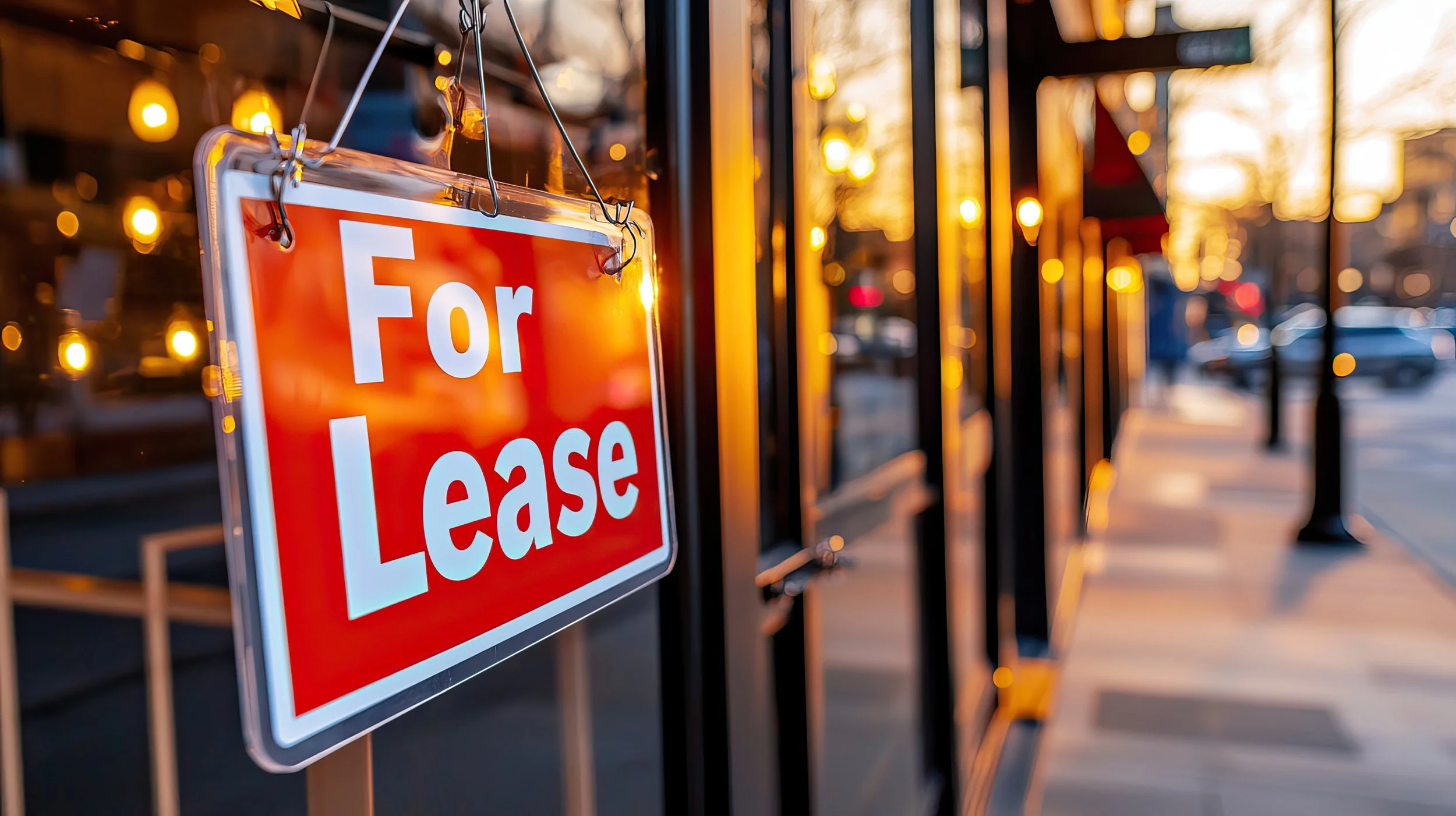
Portland's commercial real estate market has shifted decisively in favor of tenants. With metro-wide office vacancy at 24.1%, downtown CBD vacancy still above 31%, and industrial vacancy climbing to 6.5%, landlords across the Portland metro are competing for tenants in ways they have not had to since before the pandemic. For any tenant negotiating a new lease, renewing an existing one, or evaluating a relocation, the leverage available right now is significant — but only if the negotiation is structured to capture it. Understanding how to use tenant representation and market intelligence to your advantage is the difference between an average deal and one that protects your business for the full lease term.
Portland Tenant Lease Negotiation FAQ
Q: Is Portland a tenant's market for commercial real estate in 2026?
A: Yes. Portland's metro-wide office vacancy is 24.1%, downtown CBD vacancy is 31.9%, and even industrial vacancy has risen to 6.5%. These conditions give tenants significant negotiating leverage across most property types and submarkets.
Q: What concessions can Portland tenants negotiate in a high-vacancy market?
A: In the current market, tenants can realistically negotiate 3 to 6+ months of free rent, above-market tenant improvement allowances, escalation caps of 3% to 5%, early termination options, contraction rights, and renewal option pricing — concessions that were difficult or impossible to secure in 2019 or 2021.
Q: How far in advance should Portland tenants start lease negotiation?
A: Start 12 to 18 months before your lease expires. Even in a tenant-favorable market, sourcing competing proposals, touring alternatives, and building negotiation leverage takes time. Starting early is the single highest-value move a tenant can make.
Q: Does Matt Lyman handle commercial lease negotiation in Portland?
A: Yes. Matt Lyman at Norris & Stevens provides commercial real estate services across the Portland metro — including lease negotiation, tenant representation, renewal strategy, and site selection for office, industrial, retail, and flex tenants.
Portland Office Vacancy and Tenant Leverage in 2026
Portland's office market remains one of the most tenant-favorable in the country. The metro-wide vacancy rate sits at 24.1%, and while downtown CBD vacancy edged down from 33% to 31.9% in Q1 2026 — the first decline in nearly three years — the market is still awash in available space.
The Q1 numbers showed 217,000 square feet of positive net absorption, the first quarter of positive absorption since early 2020. That is a sign of stabilization, not a sign that the window is closing. Total leasing activity reached 542,000 square feet in Q1, but that was down 28.5% year-over-year. Landlords are still competing aggressively for every tenant they can attract.
Suburban office markets are tighter — vacancy in the 13% range — but still well above the levels where landlords have pricing power. For tenants evaluating options across the metro, comparing lease proposals between downtown and suburban locations should factor in not just asking rent but the full concession package.
Average full-service asking rents have declined to $29.76 per square foot, a 1.2% annual drop. But the real savings for tenants are in concessions: free rent, tenant improvements, and favorable escalation structures that do not show up in asking rent figures.
Portland Industrial Lease Negotiation: Shifting Market Dynamics
The industrial market tells a different story than office, but the leverage equation has shifted here too. Direct vacancy reached 6.5% in Q1 2026, up 160 basis points year-over-year. Average asking rents declined to $0.87 per square foot NNN as increased sublease availability and new deliveries put downward pressure on effective rents.
Leasing volume hit 2.5 million square feet in Q1, up 31% year-over-year, with newer assets in the Columbia Corridor and Vancouver submarkets driving activity. But the overall market has loosened enough that industrial tenants — particularly those in the 5,000 to 50,000 square foot range — have more options and more room to negotiate than at any point since 2020.
For tenants evaluating industrial space, understanding the difference between NNN and full service lease structures matters more than ever. In a market with declining asking rents, a poorly structured NNN lease with uncapped operating expenses can erode the savings that a low base rent appears to offer.
Key Concessions Portland Tenants Should Negotiate in 2026
The current market supports concession packages that would have been unrealistic two or three years ago. Here are the specific terms Portland tenants should be pushing for.
Free rent. On a five-year office lease, tenants should expect 3 to 6 months of free rent. On longer terms or in higher-vacancy buildings, 6 to 12 months is achievable. Free rent reduces effective occupancy cost without reducing the landlord's stated asking rent — which makes it an easier concession for landlords to grant.
Tenant improvement allowances. TI allowances in Portland's office market currently range from $40 to $80+ per square foot depending on building class, lease term, and credit. In a high-vacancy environment, landlords are more willing to offer turnkey build-outs or above-market TI packages to secure long-term commitments. Understanding how tenant improvement allowances work and what is realistic for your deal is critical.
Escalation caps. Push for fixed annual escalations of 2.5% to 3% rather than CPI-based adjustments. CPI-linked escalations have no ceiling and have surprised tenants in recent inflationary cycles. A fixed escalation gives cost certainty for the full lease term.
Early termination and contraction rights. These options cost something — typically in the form of a termination fee or slightly higher base rent — but they give tenants flexibility that is extremely valuable in an uncertain economy. If your business could downsize or relocate, negotiate these rights upfront.
Renewal option pricing. Lock in renewal terms now while the market is soft. A renewal option at "fair market value" gives you nothing — you can always negotiate at fair market. Push for renewal pricing that caps the increase at a fixed percentage or ties to a specific benchmark.
CAM caps and exclusions. In NNN leases, negotiate a cap on controllable operating expenses of 3% to 5% per year. Exclude capital expenditures, management fees above a set percentage, and any landlord-incurred legal or leasing costs from your share of operating expenses.
How to Create Leverage Before Your Portland Lease Expires
Leverage does not come from the market alone — it comes from preparation. The tenants who get the best deals in Portland's current market are the ones who start early and create genuine competitive pressure.
Start 12 to 18 months before expiration. This is the single most important variable. Tenants who start their commercial site search early give themselves time to tour alternatives, develop competing proposals, and negotiate without time pressure. Landlords can sense when a tenant is running out of time — and they adjust their offers accordingly.
Tour competing spaces even if you plan to stay. Touring is not a waste of time if you want to renew — it is the foundation of your leverage. You need real alternatives to credibly threaten relocation. And you may discover that the market has moved enough that a move actually makes financial sense.
Get two to three competing proposals in writing. Verbal indications of interest from competing landlords are worth nothing. Written proposals with specific terms — rent, TI, free rent, term, escalations — give you concrete leverage at the negotiation table.
Understand your landlord's position. What is the building's current occupancy? How much rollover is the landlord facing this year? Is the property leveraged? A landlord with 30% vacancy and upcoming debt maturities will negotiate very differently than one with 95% occupancy and no financial pressure.
Use a broker who represents your interests. A lease renewal handled without professional representation typically leaves significant money on the table. Tenant representation brokers are paid by the landlord in most Portland transactions, so the tenant gets market intelligence, competing proposals, and professional negotiation at no direct cost.
Portland Lease Negotiation Mistakes That Cost Tenants Money
The leverage exists, but tenants lose it constantly through avoidable mistakes.
Waiting until the last minute. Starting negotiations 3 to 6 months before expiration is the most common and most expensive mistake. With limited time, the landlord knows the tenant's best alternative is disruption — and prices accordingly.
Negotiating without market data. Accepting a renewal offer without understanding current asking rents, recent comparable transactions, and available alternatives is negotiating blind. The landlord has this data. The tenant should too.
Focusing only on base rent. A lease at $28 per square foot with 3% annual escalations, 6 months free rent, and a $60 TI allowance can be dramatically cheaper over a 7-year term than a lease at $25 per square foot with CPI escalations, no free rent, and a $30 TI allowance. Total occupancy cost — not base rent — is the metric that matters. Running a detailed lease proposal comparison on total cost is essential.
Skipping the fine print on operating expenses. In NNN leases, the base rent is only part of the cost. Uncapped CAM charges, capital expense pass-throughs, and management fee markups can add $5 to $10+ per square foot to total occupancy cost. Know what you are agreeing to before you sign. Reviewing the commercial real estate due diligence process helps tenants identify these hidden costs.
Signing a renewal without testing the market. Even if renewal makes sense, the only way to know whether the renewal offer is competitive is to see what the open market offers. A renewal strategy that includes market testing routinely produces better outcomes than accepting a landlord's first offer.
Working with a Portland Commercial Lease Negotiation Broker
The conditions that create tenant leverage do not last forever. Portland's office market is showing early signs of stabilization, and industrial vacancy may tighten as new construction slows. Tenants with leases expiring in the next 12 to 24 months are in the best position to capture the concessions available in the current cycle.
Matt Lyman at Norris & Stevens provides commercial real estate services across the Portland metro — covering lease negotiation, tenant representation, renewal strategy, and site selection for office, industrial, retail, and flex tenants. Whether you are approaching a renewal, evaluating a relocation, or signing your first commercial lease, the process starts with clear market data and a strategy built around your specific situation.
Need help negotiating your Portland commercial lease?