
How a 77-Acre Industrial Land Sale Became Bridge Point Vancouver 600
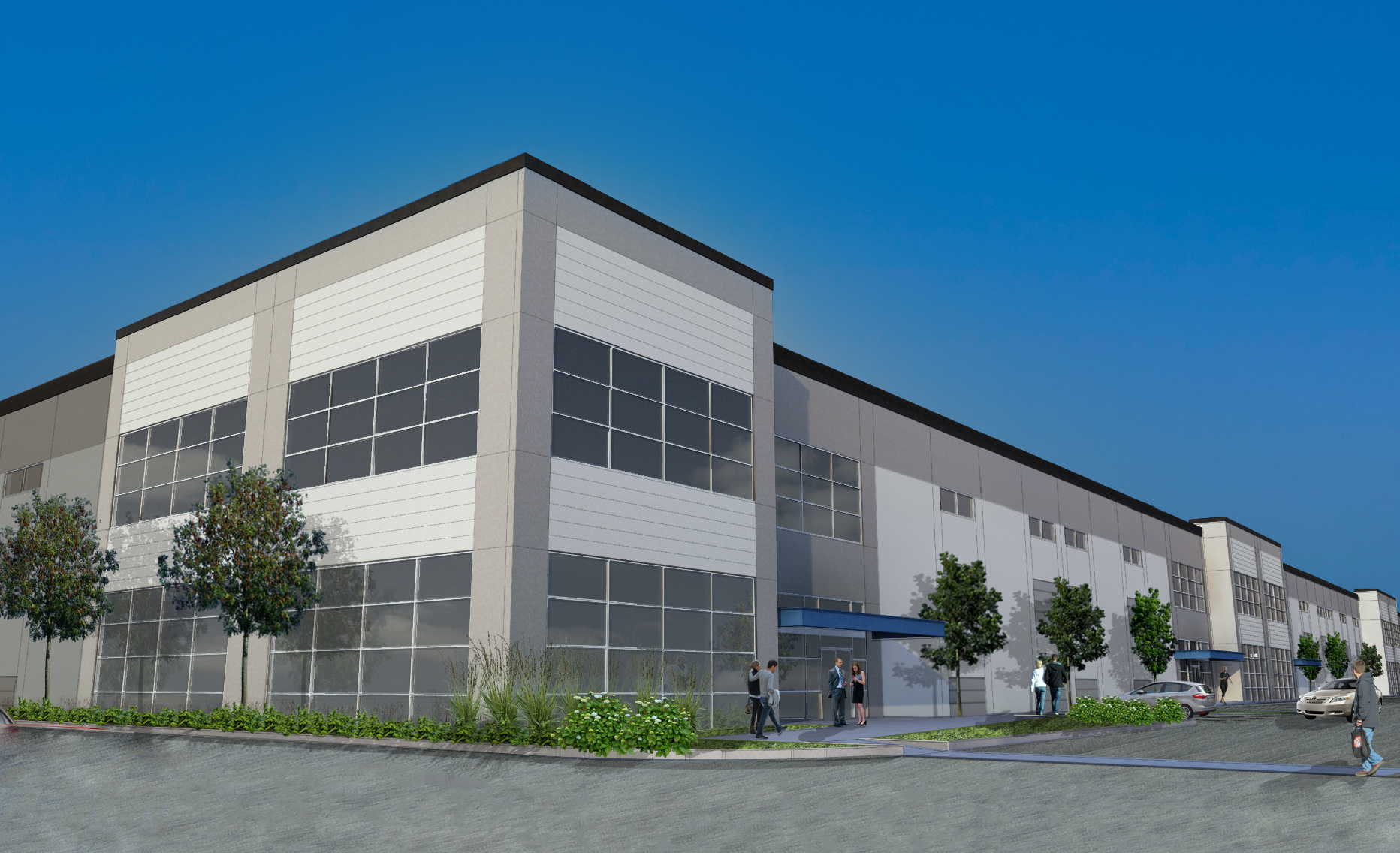
In 2022, a group of private landowners in Vancouver, Washington faced a decision familiar to many long-term property holders in the Portland metro: what to do with a 77-acre industrial land parcel that had become increasingly valuable as the region's industrial market tightened. The result was a $9.75 million sale to Bridge Industrial — and the land is now home to Bridge Point Vancouver 600, a 646,274-square-foot Class A distribution facility at 5500 NE 162nd Ave. This case study breaks down how the transaction came together, why seller representation mattered, and what it reveals about the Portland-Vancouver industrial land market.
Vancouver WA Industrial Land Sale FAQ
Q: How much did the 77-acre industrial land parcel in Vancouver WA sell for?
A: The 77-acre site at 5500 NE 162nd Ave in Vancouver, WA sold for $9.75 million to Bridge Industrial in 2022, equating to roughly $126,600 per acre.
Q: What is Bridge Point Vancouver 600?
A: Bridge Point Vancouver 600 is a 646,274-square-foot Class A industrial distribution facility developed by Bridge Industrial on the former 77-acre land site. It features 40-foot clear heights, 110 dock doors, and 413 parking stalls.
Q: Why is Vancouver WA attractive for industrial development near Portland?
A: Vancouver offers direct Portland metro access — 12 miles from downtown Portland, PDX airport, and the Port of Vancouver — with the added benefit of no Washington state income tax for tenants and employees.
Q: How does seller representation help when selling industrial land in Portland?
A: A seller's broker brings market intelligence, buyer access, and pricing strategy through tools like a broker opinion of value. In this case, seller representation helped landowners navigate a complex sale to a national institutional developer and secure top-market pricing.
Positioning 77 Acres of Vancouver WA Industrial Land for Sale
The sellers owned a 77-acre parcel in east Vancouver, WA — a sizable holding even by industrial land standards in the Portland metro. Land parcels of this scale are rare in the region, and the owners needed a strategy that would attract the right buyer at the right price.
The first step was a thorough broker opinion of value to establish a defensible asking price. The analysis considered comparable industrial land sales across the Portland-Vancouver corridor, zoning and entitlement status, site access and infrastructure, and the parcel's proximity to major transportation corridors — Interstate 205 and State Route 14. A proper due diligence review of entitlements, environmental conditions, and zoning confirmed the site's readiness for large-scale development.
The key insight: a site this large would appeal almost exclusively to institutional developers capable of ground-up speculative construction. That narrowed the buyer pool but also concentrated demand among well-capitalized firms actively seeking large-format development sites in the Pacific Northwest.
Seller Representation Strategy for the Vancouver WA Land Sale
With a clear picture of the site's value and likely buyer profile, the marketing strategy focused on targeted outreach to national industrial developers actively deploying capital in the Portland submarket. Rather than a broad listing campaign, the approach prioritized direct engagement with firms that had the balance sheet and development pipeline to execute on a project of this scale.
The result was a competitive process that culminated in Bridge Industrial — one of the largest privately held industrial developers in the U.S. — acquiring the site for $9.75 million. Bridge brought an institutional-grade development plan and immediate construction timeline, which aligned with the sellers' goals for a clean, timely closing. The letter of intent phase moved quickly once both parties aligned on price and timeline.
Matt Lyman and Greg Nesting of Norris & Stevens represented the sellers, while Zach Francis and Karla Hansen of Kidder Mathews represented Bridge Industrial. Both brokerage teams went on to serve as leasing agents for the completed project.
Bridge Point Vancouver 600: Development Specs and Timeline
Bridge Industrial broke ground in late Q3 2022 and delivered Bridge Point Vancouver 600 in early 2025. The completed facility is a modern Class A industrial building designed for large-scale logistics and distribution operations.
Key specifications include 646,274 square feet of warehouse and distribution space, 40-foot clear ceiling heights (a premium spec for high-bay racking and modern fulfillment), 110 dock-high loading doors, 8 drive-in doors for oversized equipment and freight, 413 auto parking stalls, and 166 trailer stalls for staging and cross-dock operations.
The building was constructed by Sierra Construction, a Pacific Northwest general contractor specializing in industrial and commercial projects.
Why Vancouver WA Works for Portland Industrial Users
Bridge Point Vancouver 600 sits at a strategic crossroads in the Portland metro's industrial geography. The site is approximately 12 miles from downtown Portland, Portland International Airport (PDX), and the Port of Vancouver — three critical nodes for logistics-dependent tenants.
But the Washington side of the river offers something Oregon cannot: no state income tax. For tenants with large workforces, that translates directly to lower labor costs and easier employee recruitment. It is one reason why east Vancouver and Clark County have seen accelerating industrial development over the past several years.
The broader Portland-Vancouver industrial market has been one of the tightest in the western U.S. Industrial vacancy rates in the metro have hovered near historic lows, and new construction has struggled to keep pace with demand from e-commerce, third-party logistics, and food distribution tenants. That supply-demand imbalance has pushed rental rates higher and made entitled, development-ready land parcels increasingly scarce — exactly the dynamic that made this 77-acre site so valuable.
Lessons from Selling Industrial Land in the Portland Metro
This transaction illustrates several principles that apply broadly to landowners considering a sale of commercial property in the Portland-Vancouver market.
Know your buyer pool. A 77-acre industrial parcel does not sell through the same channels as a 5,000-square-foot retail pad. Understanding who the likely buyers are — and what they need to underwrite — shapes every aspect of the marketing and negotiation strategy.
Price with precision. A broker opinion of value grounded in comparable sales data and development feasibility analysis gives sellers confidence in their asking price and credibility with institutional buyers who run their own underwriting.
Timing matters. This sale closed during a period of intense institutional appetite for industrial development sites in the Pacific Northwest. Sellers who waited too long in previous cycles often left money on the table as market conditions shifted.
Think beyond the sale. In this case, the brokerage relationship extended beyond closing — both the seller's and buyer's teams continued as leasing agents for the completed project. That kind of continuity creates long-term value for all parties and reflects the collaborative nature of the Portland commercial real estate community.
Portland Industrial Market Context
The Bridge Point Vancouver 600 project landed during a transformative period for Portland metro industrial real estate. National developers including Bridge Industrial, Prologis, and Trammell Crow were actively pursuing large-format sites across the region, driven by sustained demand from e-commerce fulfillment, cold storage, and last-mile distribution.
Vancouver and Clark County captured a disproportionate share of this activity thanks to available land, favorable tax treatment, and improving infrastructure. For landowners on both sides of the Columbia River, the takeaway is clear: well-positioned industrial land in the Portland metro remains one of the most sought-after asset classes in the region.
Whether the goal is a lease rate analysis for an existing holding or a full disposition strategy for surplus land, the Portland-Vancouver industrial corridor continues to offer strong fundamentals for sellers who approach the market with the right strategy and representation.
Need help evaluating your options for an industrial land parcel or commercial property in the Portland metro? Start with a broker opinion of value to understand where your asset sits in today's market.