
Case Study: Selling a GSA-Leased Office Building on a Port of Portland Ground Lease
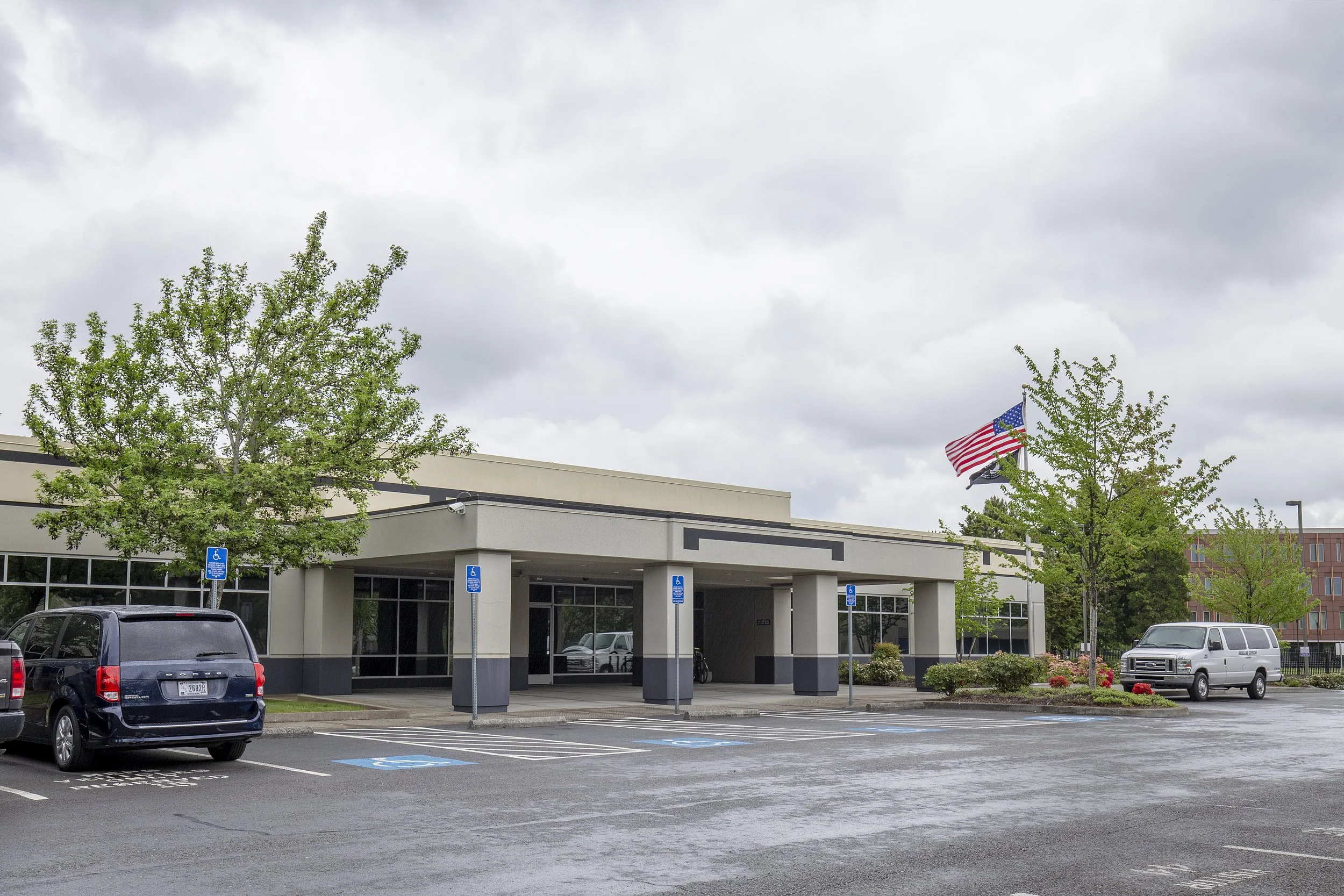
Matt Lyman of Norris & Stevens represented the seller in the $7.25 million sale of the Portland Military Entrance Processing Station (MEPS) — a 24,144-square-foot Class A office building at 7545 NE Ambassador Place, fully leased to the United States Government through the General Services Administration. The building sits on 2.26 acres of Port of Portland ground-leased land at Portland International Center, adjacent to Portland International Airport.
This deal was a challenge. The building-on-leased-land structure — where the seller owns the improvements but not the dirt — narrows the buyer pool dramatically. Most investors either don't understand ground leases or can't get comfortable with them. Selling this property meant finding a buyer who could underwrite the leasehold interest, navigate the Port's assignment approval process, and still pay a price that reflected the strength of the federal tenancy and the building's cash flow.
Portland GSA Office Investment Sale FAQ
Q: What is a ground lease in commercial real estate?
A: A ground lease separates land ownership from building ownership. The landowner (here, the Port of Portland) leases the land to a developer or investor who builds and owns the improvements. At lease expiration, the land — and typically the building — reverts to the landowner. Buyers of ground-leased properties are purchasing a leasehold interest, not fee simple title.
Q: How does selling a building on a ground lease work?
A: The seller assigns the ground lease and transfers ownership of the improvements to the buyer. The ground lease landlord must consent to the assignment, which adds a layer of due diligence and timing that fee simple sales don't have. Financing can also be more complex, as lenders underwrite both the ground lease terms and the building's income.
Q: What is MEPS and what is the Portland MEPS building?
A: MEPS stands for Military Entrance Processing Station. It's where all six branches of the U.S. military — Army, Navy, Marines, Air Force, Coast Guard, and National Guard — process recruits for enlistment. The Portland MEPS at 7545 NE Ambassador Place is a single-tenant, Class A office building purpose-built in 2002 on Port of Portland land.
Q: What sold at 7545 NE Ambassador Place in Portland?
A: A 24,144 SF Class A office building, 100% leased to the U.S. Government (GSA) as the Portland MEPS facility. The property sold for $7.25 million. Matt Lyman of Norris & Stevens represented the seller.
The Property: Portland MEPS at Portland International Center
The building was purpose-built in 2002 as a tilt-up concrete, single-story Class A office for the federal government's MEPS operation. It sits on 2.26 acres at Portland International Center (PIC), the Port of Portland's airport-adjacent business park, with 76 dedicated parking spaces and direct access to NE 82nd Avenue and I-205.
The build-out reflects the facility's mission. Enhanced security features include bullet-proof window film installed across all interior windows, 100%fire sprinkler coverage, and a 1,000-amp, three-phase electrical service. The HVAC system — 22 Carrier heat pumps with a Baltimore cooling tower — was designed to federal specifications for continuous occupancy. The FBI building sits directly across the street, putting the MEPS in an established federal campus environment.
For investors evaluating Portland airport-area commercial property, PIC offers something most submarkets can't: a professionally managed campus with Port-maintained common areas, immediate freeway access, and adjacency to PDX — which matters for government and institutional tenants with regional operations.
Why the Ground Lease Made This Sale Harder
The biggest challenge in this sale wasn't the building, the tenant, or the income — it was the land.
The property sits on Port of Portland ground-leased land under a 55-year ground lease executed in 2001, running through June 2056 with a one-time 20-year renewal option. The original ground rent was prepaid in a lump sum at approximately $10 per square foot of land area — meaning there are no ongoing ground lease payments — and the lease structure is absolute net to the Port.
On paper, those are favorable terms. At the time of sale, the ground lease had roughly 35 years remaining on the initial term, plus the 20-year extension. That's more than enough runway for most investment horizons. And the prepaid rent eliminates the cash flow drag that ongoing ground lease payments create on other leasehold properties.
But here's the reality: most buyers see "ground lease" and move on. The reasons are understandable. Leasehold interests are harder to finance than fee simple acquisitions. The Port retains reversionary rights to the improvements at ground lease expiration — meaning the land and building ultimately go back to the Port. Assignment of the ground lease requires the Port's written consent, which adds time and uncertainty to closing. And the property is subject to FAA height restrictions, PIC development standards, and common area assessments through the PIC Tenants' Association — all of which require careful underwriting during due diligence.
The net effect is a smaller buyer pool. Investors with ground lease experience can underwrite these structures, but they represent a fraction of the market. Reaching them — and presenting the deal in a way that addresses the ground lease questions before they become objections — is the job.
How the GSA Lease Stabilized the Investment
What made this deal work despite the ground lease was the tenant. The United States Government, operating through GSA, is the strongest credit tenant in commercial real estate. Default risk is effectively zero.
The GSA lease ran for a ten-year firm term from August 2017 through July 2027, with two five-year renewal options extending the potential tenancy through 2037. Shell rent started at $430,496 annually in the first five years, stepping to $465,924 in the second period, with option-period rents reaching $525,555 and $544,959. Operating expenses were set at a $172,911 base with CPI-based annual adjustments. The government also funded a $26,075 tenant improvement allowance amortized over the first five years.
The lease included a 120-day termination right exercisable after July 2022 — a standard federal provision that gives the government flexibility when program needs shift. For investors, the termination right introduces re-leasing risk, but the MEPS mission is operationally embedded: all six military branches use this facility for recruit processing, and relocating that function is neither simple nor cheap. The building was purpose-built to federal security and operational specifications — it is not a generic office space that can be easily vacated and replicated elsewhere.
For the buyer, the investment math came down to this: a federal credit tenant generating strong net operating income on a building with 35-plus years of remaining ground lease term. Even discounting for the leasehold structure, the risk-adjusted return was compelling — especially for a buyer who understood government leases and ground lease mechanics.
How Seller Representation Got This Done
Matt Lyman represented the seller as the exclusive listing agent in this transaction. The buyer, an out-of-state investor from California, was represented by Zach Francis of Kidder Mathews.
Selling a ground-leased, government-occupied investment property requires more than listing it and waiting for offers. The deal had three layers of complexity that each needed to be managed:
First, positioning the leasehold interest correctly. The marketing had to lead with the strength of the federal tenancy and the building's cash flow while addressing the ground lease structure head-on — term remaining, prepaid rent, assignment process, Port consent requirements. Buyers who got past the ground lease found a clean, well-maintained, purpose-built asset with institutional-quality income.
Second, managing the Port of Portland's consent process. The ground lease required the Port's written approval for any assignment, which meant coordinating between the buyer, the seller, and the Port's property development team to satisfy transfer requirements and close on schedule. That's a timeline variable most commercial sales don't have.
Third, bridging the valuation gap that ground leases create. Leasehold properties trade at a discount to fee simple because of the reversionary risk. The job was to make sure the pricing reflected the actual remaining term and economics, not a blanket discount driven by a buyer's unfamiliarity with the structure.
The result was a closed transaction at $7.25 million — strong pricing for a leasehold interest that reflected both the quality of the federal tenancy and the remaining runway on the ground lease.
Lessons for Owners Selling Ground-Leased Investment Property
Three takeaways apply beyond this specific deal.
Ground leases narrow your buyer pool — plan for it. Most investors are fee simple buyers. If your property is on leased land, your marketing and broker need to target the subset of investors who understand and are comfortable with leasehold structures. That may mean out-of-state or institutional buyers who've done these deals before. If your broker can't explain the ground lease economics in plain language, your deal is going to stall.
Lead with the tenant, not the structure. A ground-leased building with a credit tenant and strong cash flow is a fundamentally different conversation than a ground-leased building with vacancy risk. The tenant quality and income stream are what make the leasehold interest investable. Every piece of marketing — from the offering memorandum to the broker conversations — should reflect that priority.
Build time for the landlord consent process. Ground lease assignments typically require the land owner's written approval. Understand the landlord's requirements early, start the consent process before the buyer's due diligence period expires, and build the timeline into the purchase agreement so it doesn't create a last-minute obstacle to closing.
Considering Selling a Government-Leased or Ground-Leased Property?
Selling an investment property with a government tenant, a ground lease, or both requires a broker who understands the mechanics — federal lease structures, ground lease economics, and how to position leasehold interests to the buyers who can actually close.
Matt Lyman handles investment sales and seller representation across the Portland metro. Whether you own a GSA-leased building, a ground-leased asset, or a conventional investment property, the process starts with a broker opinion of value grounded in real comparables and the specific structure of your deal.
Ready to talk? Call me at 503-507-4880 or visit portlandcre.com/contact for a confidential conversation.