
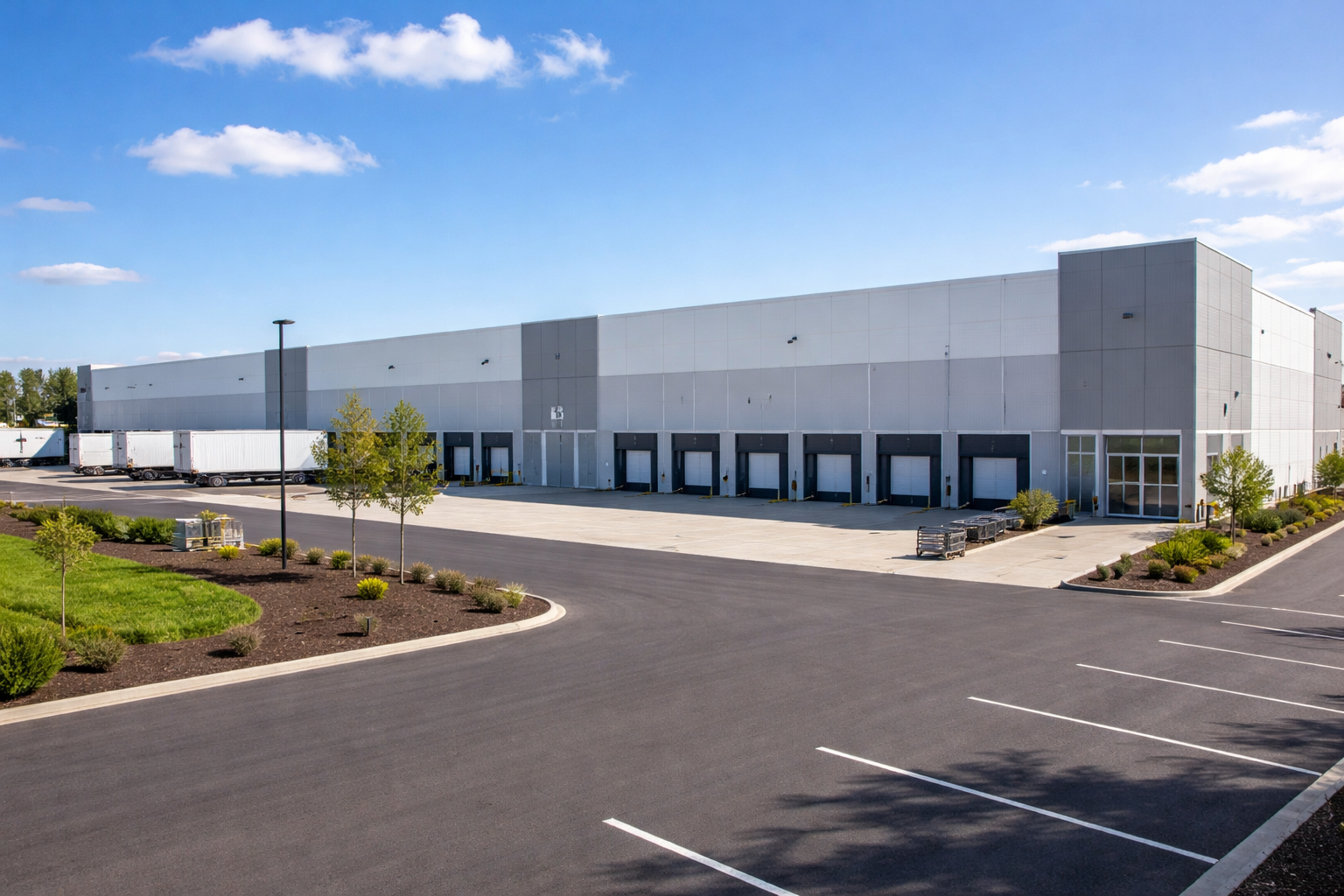
Airport Way & Columbia Corridor
Airport Way/Columbia Corridor industrial guidance for logistics users needing PDX proximity, I-84/I-205 access, and loading capacity.
ABOUT AIRPORT WAY & COLUMBIA CORRIDOR
Airport Way and the Columbia Corridor are among the Portland metro’s most searched industrial areas due to proximity to PDX, I-84, I-205, and major freight routes. The corridor includes a broad mix of distribution facilities, functional older warehouses, contractor service space, and flex/industrial buildings. This page outlines what typically fits here, how to evaluate options, and the deal terms that most affect total occupancy cost.
WHAT’S DIFFERENT ABOUT THIS SUBMARKET
Airport Way and the Columbia Corridor function as Portland’s most logistics-oriented industrial spine. The submarket is shaped by proximity to PDX, I-84, and I-205, which makes it a common fit for distribution, last-mile operations, and users with frequent inbound/outbound trucking. Compared to many Portland industrial areas, decisions here tend to hinge less on “office finish” and more on dock/grade loading mix, truck court depth, trailer/van staging rules, and overall circulation—plus how quickly a site can reach the freeway network. The fastest way to narrow options is to confirm loading and yard/staging feasibility first, then evaluate clear height, power/sprinklers, and operating expense language to avoid late-stage surprises.
LOCATION INFORMATION
Airport Way & Columbia Corridor generally refers to the industrial area in Northeast Portland centered around NE Airport Way and NE Columbia Blvd, anchored by proximity to Portland International Airport. It runs through the broader I-84 and I-205 industrial belt, with quick access to major freight routes and distribution nodes. Boundaries can vary by listing, but the practical focus is the cluster of warehouse, distribution, and flex/industrial inventory serving PDX and eastside freeway connectivity.
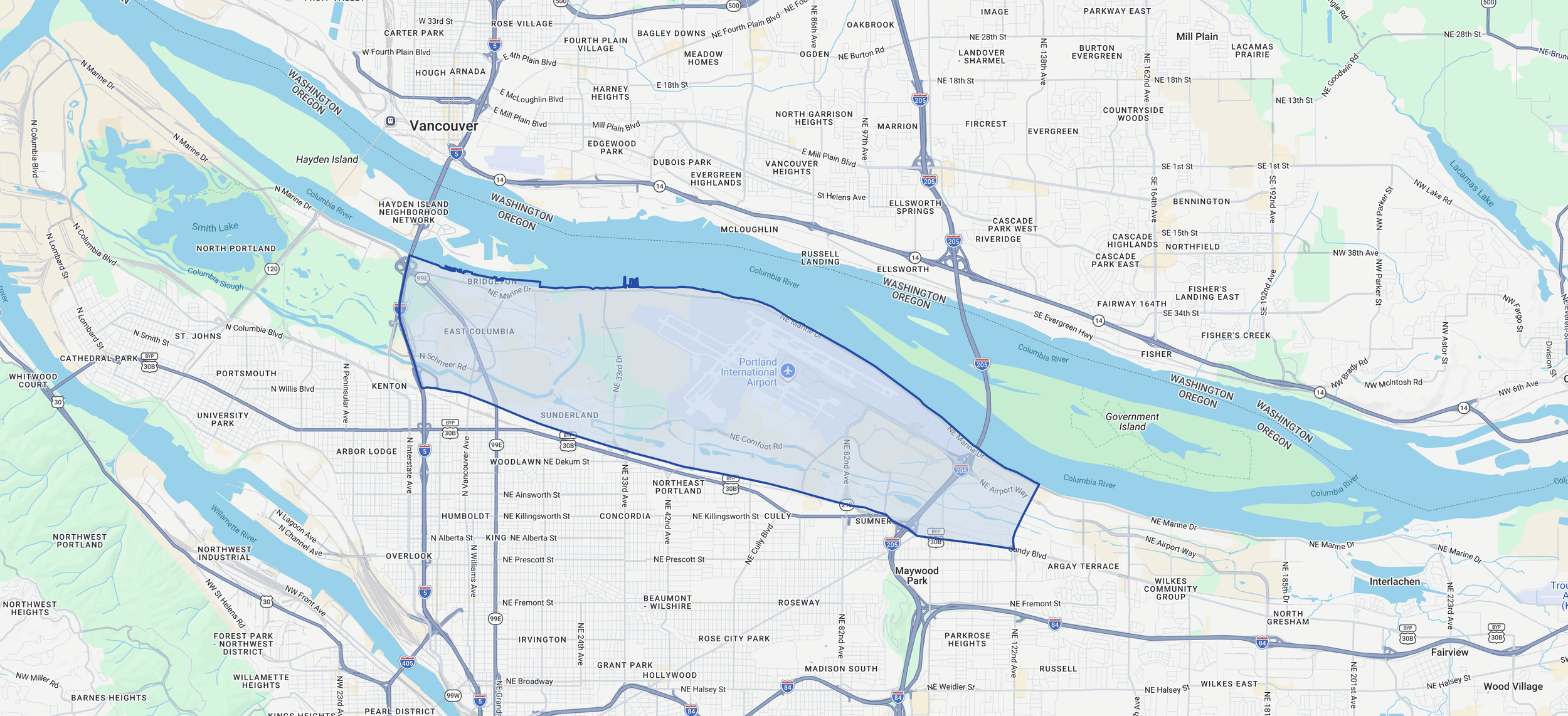
AIRPORT WAY & COLUMBIA CORRIDOR SNAPSHOT
Known For
Strong regional access (I-84 / I-205) and airport adjacency
Distribution and logistics demand, plus service/contractor and light industrial users
A wide spread of building ages/specs—from functional to modern
Typical User Profiles
3PL and logistics, last-mile distribution
Contractors and service fleets
Light manufacturing / assembly (where power and zoning fit)
Best Fits
Distribution with frequent inbound/outbound movements
Users needing a balance of warehouse + office
Contractor/service operations prioritizing access and response time
Common Constraints
Trailer parking and yard availability can be limited in tighter sites
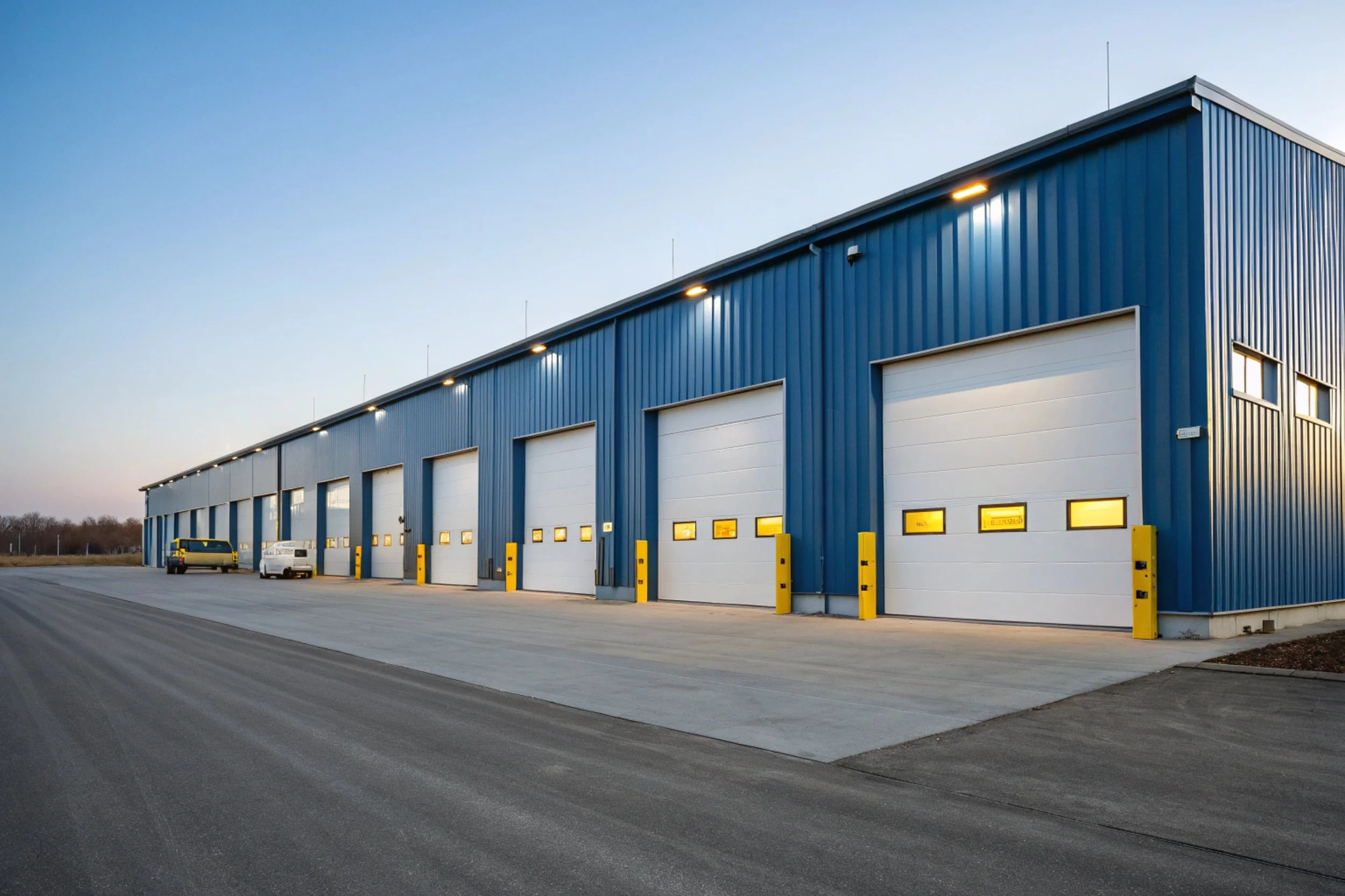
Loading configuration varies widely (dock vs grade; door count; truck courts)
Utility/power and sprinkler adequacy can be deal-critical depending on use
RENT, PRICING, AND DEAL TERMS
Typical Deal Terms
Airport Way/Columbia Corridor deals are often driven by functional needs—loading and circulation—so concession packages usually focus on TI for office refresh, free rent for move timing, and clear delivery condition (doors, dock equipment, yard, and pavement). Operating expense language matters because some buildings carry meaningful yard/lot maintenance and repairs that can be shifted by lease wording.
Negotiation Levers
Concessions: free rent, TI/turnkey packages (especially for office-heavy builds)
NNN/CAM language: inclusions/exclusions, management fees, capital items, reserves
Caps and audit rights: especially on controllable expenses
Options: renewal, expansion, early termination (when justified)
Maintenance responsibilities: clarify roof/structure/HVAC allocations and standards
Deal Killers
Loading package doesn’t match reality (dock/grade mix, door placement, or truck court depth).
Trailer/van staging assumptions aren’t permitted or aren’t exclusive.
Access route works on a map, but fails on turning, congestion, or delivery hours.
Comparing Proposals
Compare total occupancy cost using effective economics: base rent + operating expenses + concessions amortized over term + tenant costs (improvements, moving, downtime). Two “similar” deals can price very differently once CAM definitions and concessions are normalized.
Mini Case Example
A distributor needed dock-high access with staging and quick freeway connectivity. Options were screened first by loading/circulation, then by sprinklers/power. The final deal improved concessions and clarified expense language around yard maintenance and repairs.
SUBMARKET FAQ
-
Often 12–18 months prior to expiration, earlier for specialized uses or meaningful improvements.
-
It’s a common first stop for distribution due to access and inventory mix, but the best fit depends on lanes, labor, and trailer/yard needs.
-
Beyond dock vs grade, door count, truck court depth, circulation, and site constraints often determine operational fit.
-
Airport Way offers the strongest combination of PDX proximity and I-84/I-205 freeway access in the metro. Swan Island is closer-in but tighter on sites and circulation. Clackamas offers more yard and parking options but trades away airport adjacency. The decision usually comes down to freight lanes, last-mile time requirements, and whether trailer staging is a hard requirement.
-
Whether the yard is exclusive, permitted use (storage/trailers), fencing/security obligations, and whether it’s included in rent or separately priced.
-
Power availability and upgrade feasibility, ventilation/HVAC needs, layout/column spacing, slab condition, and loading that matches workflow.
-
Older functional product runs 16–22 feet clear. Newer distribution and logistics buildings typically offer 28–36 feet. Clear height directly affects racking capacity and cubic storage efficiency — a 32-foot clear building stores materially more product than a 20-foot building with the same footprint. Confirm clear height at the lowest point (usually at columns or sprinkler mains), not the peak.
-
Most Airport Way/Columbia Corridor inventory sits in industrial zones (IG1, IG2, IH) that accommodate warehouse, distribution, manufacturing, and contractor uses. However, some parcels near residential edges or environmental overlay zones carry restrictions on hours, noise, outdoor storage, or vehicle types. Zoning should be verified early — especially for uses involving hazardous materials, heavy truck traffic, or 24-hour operations.
WHAT’S YOUR PROPERTY WORTH?
Whether you're benchmarking against recent warehouse and distribution sales, evaluating a hold-vs-sell decision, or preparing for a refinance conversation, a broker opinion of value gives you a clear, comp-based pricing range for your Airport Way or Columbia Corridor industrial property. I'll deliver a 50–80+ page report covering comparable sales, lease comps, vacancy analytics, and a pricing summary with conservative, probable, and optimistic values — at no cost and no obligation.
ARE YOU PAYING THE RIGHT LEASE RATE?
Whether you're negotiating a new warehouse lease, approaching a renewal in the Columbia Corridor, or evaluating whether your current rate reflects today's market, a lease rate analysis gives you the data to negotiate from a position of strength. I'll pull recent lease comps, concession packages, and vacancy trends for Airport Way and Columbia Corridor industrial space — so you know exactly what tenants like you are paying and where there's room to negotiate.
RELATED


GET IN TOUCH
Contact Matt Lyman at Norris & Stevens about leasing, buying, or selling industrial space in the Airport Way and Columbia Corridor area. Whether you're a logistics operator evaluating distribution options near PDX, a contractor looking for service space with freeway access, or a landlord pricing vacancy along the corridor, share your situation and Matt will follow up with current availability, recent comps, and a recommended approach.
Include your space requirements — size range, loading needs, clear height, yard/staging, and timeline — and Matt will respond with Airport Way and Columbia Corridor options that match.