
Lloyd Center Redevelopment: What 7 Million Square Feet of Mixed-Use Means for Portland’s Lloyd District
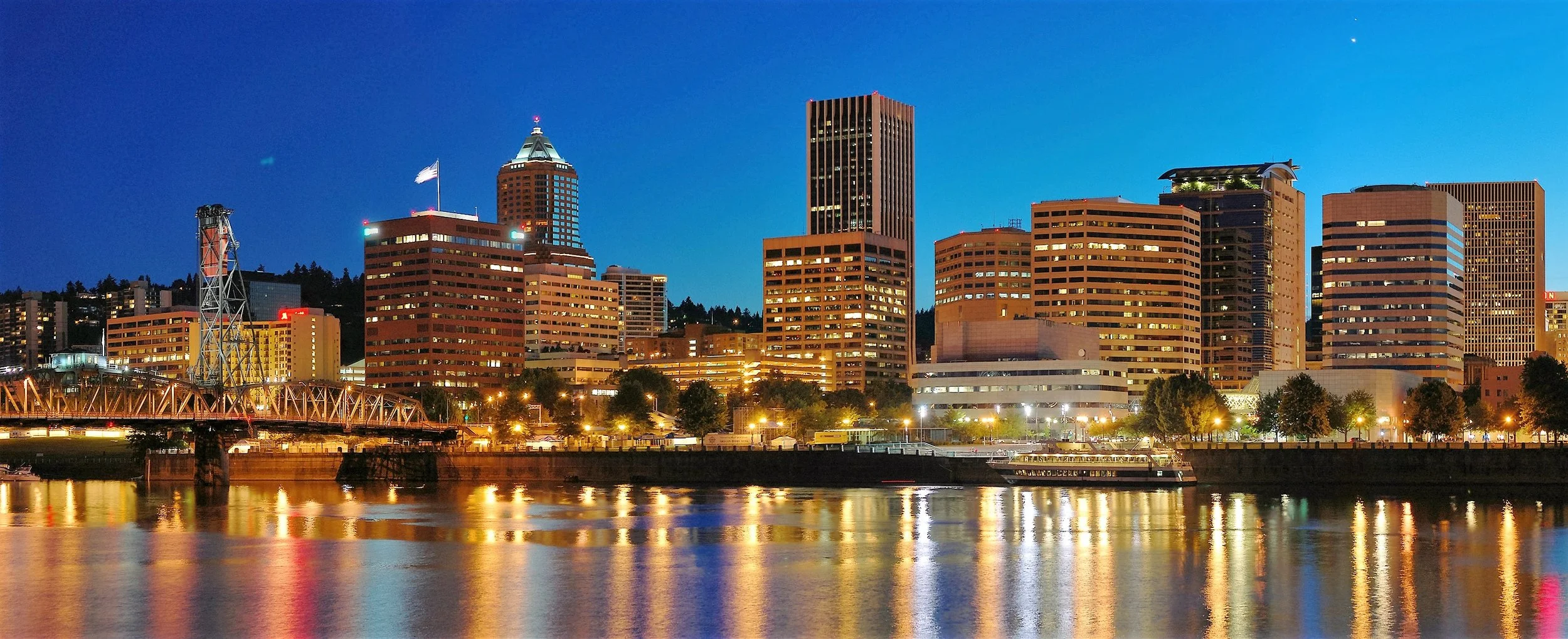
Portland's Lloyd District is about to undergo its most significant transformation in decades. Urban Renaissance Group and KKR Real Estate have submitted a master plan to demolish the 29.3-acre Lloyd Center mall and replace it with up to 7 million square feet of mixed-use development — a project that would fundamentally reshape one of Portland's most transit-connected close-in submarkets.
The mall, which opened in 1960 as the largest shopping center on the West Coast, will close sometime this year. What comes next has major implications for anyone leasing, owning, or investing in commercial real estate across Portland's central city.
Here's what the plan includes and what it means for the market.
The Redevelopment Plan
The 104-page master plan, designed by ZGF Architects with landscape architecture by Field Operations, envisions 14 new development areas across the full 29.3-acre site in northeast Portland. The project calls for thousands of new residences across a range of income levels, along with retail, restaurants, entertainment venues, and workspace — including what developers describe as a large commercial office campus environment unlike anything currently available in Portland's Central City.
About 23 percent of the site will be dedicated to public open space, including a 2.3-acre urban park with a nature walk, dog run, and public art. The design reconnects the Lloyd District street grid by breaking up the mall's superblock footprint and eliminating the perimeter parking structure that has walled off the site from surrounding neighborhoods for decades.
The Portland Design Commission is currently reviewing the plan, and the project must still clear subdivision approvals before demolition can begin. Construction timelines remain fluid, but the scope of this project positions the Lloyd District for a multi-year transformation cycle that will ripple across the broader Portland commercial real estate market.
What This Means
For tenants and occupiers: The Lloyd District already benefits from strong transit access — four MAX light rail lines, the Portland Streetcar, and multiple bus routes converge in the neighborhood. Once the redevelopment delivers new retail and office space, tenants relocating to the district will gain access to a walkable, amenity-rich environment that most Portland submarkets simply cannot match. If you're starting a site search for office or retail space in Portland's central city, Lloyd District deserves a closer look as this project takes shape. Tenants currently in the district on shorter-term leases should be thinking now about renewal strategy and whether to lock in favorable terms before new development drives demand. And with any new lease in a redevelopment area, due diligence around construction timelines, access disruptions, and phasing plans is critical.
For landlords and investors: A 7-million-square-foot mixed-use project is a generational catalyst for an entire submarket. Existing building owners in the Lloyd District and adjacent neighborhoods should expect rising competition for tenants as new Class A product delivers — but also long-term upside from the increased density, foot traffic, and neighborhood appeal. The tenant improvement packages and concession structures landlords offer today will need to remain competitive as new construction hits the market. For investors, this is worth tracking alongside recent downtown Portland transactions like Jeff Swickard's $125 million investment in the Five Oak Building — a signal that capital is still moving into Portland's central city even as the broader office market works through elevated vacancy.
The Bigger Picture
The Lloyd Center redevelopment doesn't exist in a vacuum. Portland's office market ended 2025 with overall vacancy above 26 percent and downtown vacancy near 34 percent. The 20 largest office buildings in the metro have lost roughly $2 billion in market value since 2019, according to KATU's recent reporting — a correction that has squeezed property tax revenue and reshaped how landlords, tenants, and capital sources think about risk in the market.
Against that backdrop, a project of this scale in the Lloyd District represents a bet that Portland's close-in submarkets still have long-term upside — particularly when the fundamentals include transit infrastructure, walkability, and a true mixed-use live-work-play environment. It's a similar thesis to what's playing out on the Central Eastside and in the Columbia Corridor, where proximity to infrastructure and distinct neighborhood identity continue to drive activity even in a softer market.
For tenants weighing new leases, understanding CAM structures and comparing proposals carefully will be especially important in a district where new and existing product will coexist at very different price points. Landlords with existing Lloyd District assets should be proactive about positioning — whether that means reinvesting in building upgrades, rethinking lease structures, or offering competitive concessions to retain tenants through the construction cycle.
This is a submarket to watch. If the Lloyd Center redevelopment delivers even a fraction of what the master plan envisions, it will reshape tenant demand, investor interest, and competitive dynamics across Portland's close-in east side for years to come.
If you own or lease commercial property in Portland's Lloyd District — or if you're evaluating the submarket for a future move — I can help you think through positioning, timing, and strategy. Request a free Broker Opinion of Value or a Lease Rate Analysis to see where you stand relative to the market.