
How Portland Landlords Should Position Vacant Office Space in 2026
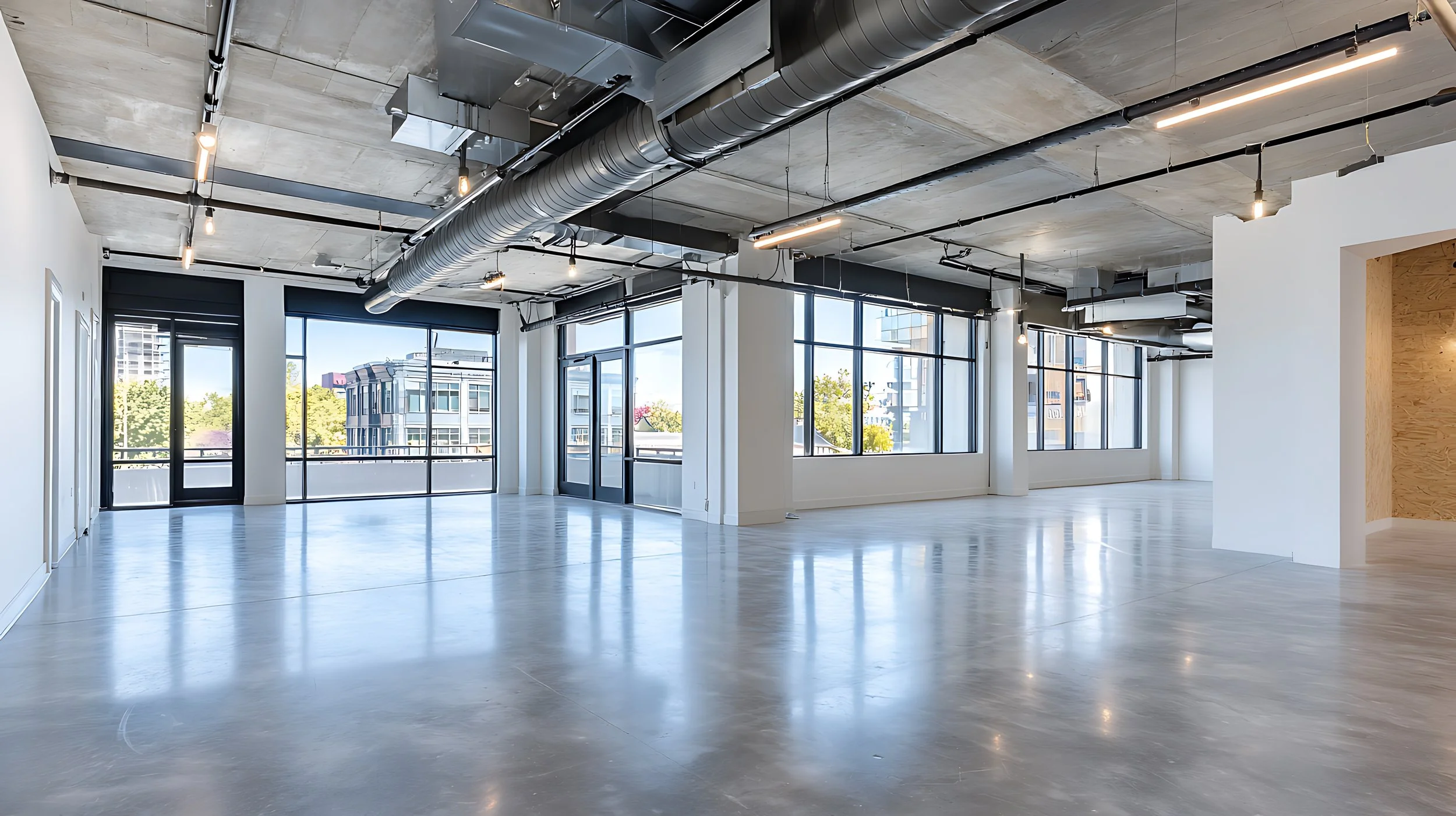
Portland's office vacancy rate closed Q4 2025 at its highest level in decades, with Class A space sitting at 23.6% and the CBD pushing past 34%. For landlords holding empty square footage, the question is no longer whether the market has shifted — it's how to compete for the tenants who are actively looking. The owners who adapt their leasing strategy now will be the ones who stabilize their buildings first.
The Economic Picture
The numbers tell a clear story. Metro Portland's overall office vacancy reached 15.1% at the end of 2025, with net absorption finishing the year at negative 1.6 million square feet. Downtown bore the worst of it, where more than 10 million square feet of office space sat empty — the highest level ever recorded. At the same time, the region lost 8,800 jobs over the past year, more than nearly every other U.S. metro area.
But there are signals worth watching. New construction has essentially stopped, with only 127,000 square feet under construction across the entire metro — and all of it pre-leased. That means no new competitive supply is coming online. Foot traffic downtown has rebounded to roughly 86% of pre-pandemic levels, even if it looks different than before. And while asking rents have remained flat around $30.10 per square foot full-service, the real action is happening below the surface in concession packages and deal structure.
For landlords, the takeaway is that this market rewards strategy over patience. Sitting on vacant space and waiting for conditions to improve is a losing play when tenants have more options than ever and the leverage to demand aggressive terms.
What This Means
For landlords and investors: The most important shift landlords need to make is moving from a rate-preservation mindset to a velocity mindset. In a market with 15%+ vacancy, every month a suite sits empty costs more than a concession package that gets a tenant in the door.
Here's what's working right now. First, concession packages have become the primary competitive tool. Tenants in today's market expect meaningful free rent — often six to twelve months on a longer-term deal — plus tenant improvement allowances that cover turnkey or near-turnkey buildouts. Landlords who lead with competitive concessions rather than waiting to be negotiated down are closing deals faster.
Second, blend-and-extend deals are defining the Class A market. Rather than losing tenants to competing buildings at renewal, smart landlords are approaching tenants early — sometimes 18 to 24 months before lease expiration — with restructured terms that lock in occupancy. The math often works: a modest rate reduction combined with extended term and refreshed TI is far cheaper than the downtime, releasing costs, and commission exposure of a vacancy.
Third, spec suites are pulling tenants who otherwise wouldn't tour. Smaller tenants in the 2,000 to 5,000 square foot range don't want to manage a buildout. A finished, move-in-ready suite with modern finishes eliminates the biggest friction point in their decision. Buildings that invest in spec suites are seeing meaningfully higher tour-to-lease conversion rates.
Fourth, building amenities and common areas matter more than they used to. Tenants are competing with remote work for their employees' attention. Lobbies, conference facilities, outdoor space, and on-site services like coffee or fitness give tenants a reason to choose your building over a competitor — and give their employees a reason to come to the office.
Finally, flexible lease structures are no longer a concession — they're an expectation. Expansion options, contraction rights, and shorter initial terms with renewal options all reduce perceived risk for tenants. Landlords who offer flexibility fill space; landlords who insist on rigid seven- or ten-year terms watch prospects sign elsewhere.
For tenants and occupiers: If you're a tenant in the market right now, understand that this environment won't last forever. New construction has stopped, and when absorption eventually turns positive, concession packages will tighten. The window to lock in favorable terms — generous TI, free rent, below-market rates, and flexible structures — is open now but will narrow as supply gets absorbed. If you're considering a renewal, don't assume your current landlord's first offer reflects the market. Get a lease rate analysis and understand what competing buildings are offering before you negotiate.
The Bigger Picture
Portland's office market is going through a structural reset, not a temporary downturn. The Portland Metro Chamber's 2026 State of Downtown report made that clear: returning to pre-pandemic, office-centered demand is no longer a realistic expectation. But that doesn't mean opportunity has disappeared — it means the playbook has changed.
The landlords who are winning in this market share a few traits. They price to market reality, not to pro forma assumptions. They invest in their buildings rather than deferring capital improvements. They treat leasing as a sales process, not an administrative function. And they recognize that in a tenant's market, the landlord who makes the process easiest and most transparent is the one who gets the deal.
Portland still has real fundamentals working in its favor. The near-total halt in new office construction means the supply side will eventually self-correct. Downtown foot traffic continues to recover. And for investors like Jeff Swickard, who recently brought his downtown Portland investments to $125 million with the Five Oak Building acquisition, the pricing dislocations in today's market represent a generational buying opportunity.
The question for every Portland office landlord heading into 2026 is straightforward: are you positioning your building to compete, or are you hoping the market comes back to you? The data says one of those strategies works. The other doesn't.
Need help understanding where your property stands in today's market? A broker opinion of value gives you a clear, comp-based pricing range so you can make informed decisions about hold, sell, or reposition strategies. And if you're a tenant approaching a renewal or evaluating new space, a lease rate analysis ensures you're negotiating from a position of strength. Reach out — I'm happy to help you think through your next move.
For buildings that can’t compete on quality, conversion may be a viable exit. See our analysis of office-to-residential conversion in Portland, including which buildings qualify and what programs are available.