
How to Market Vacant Commercial Space in Portland
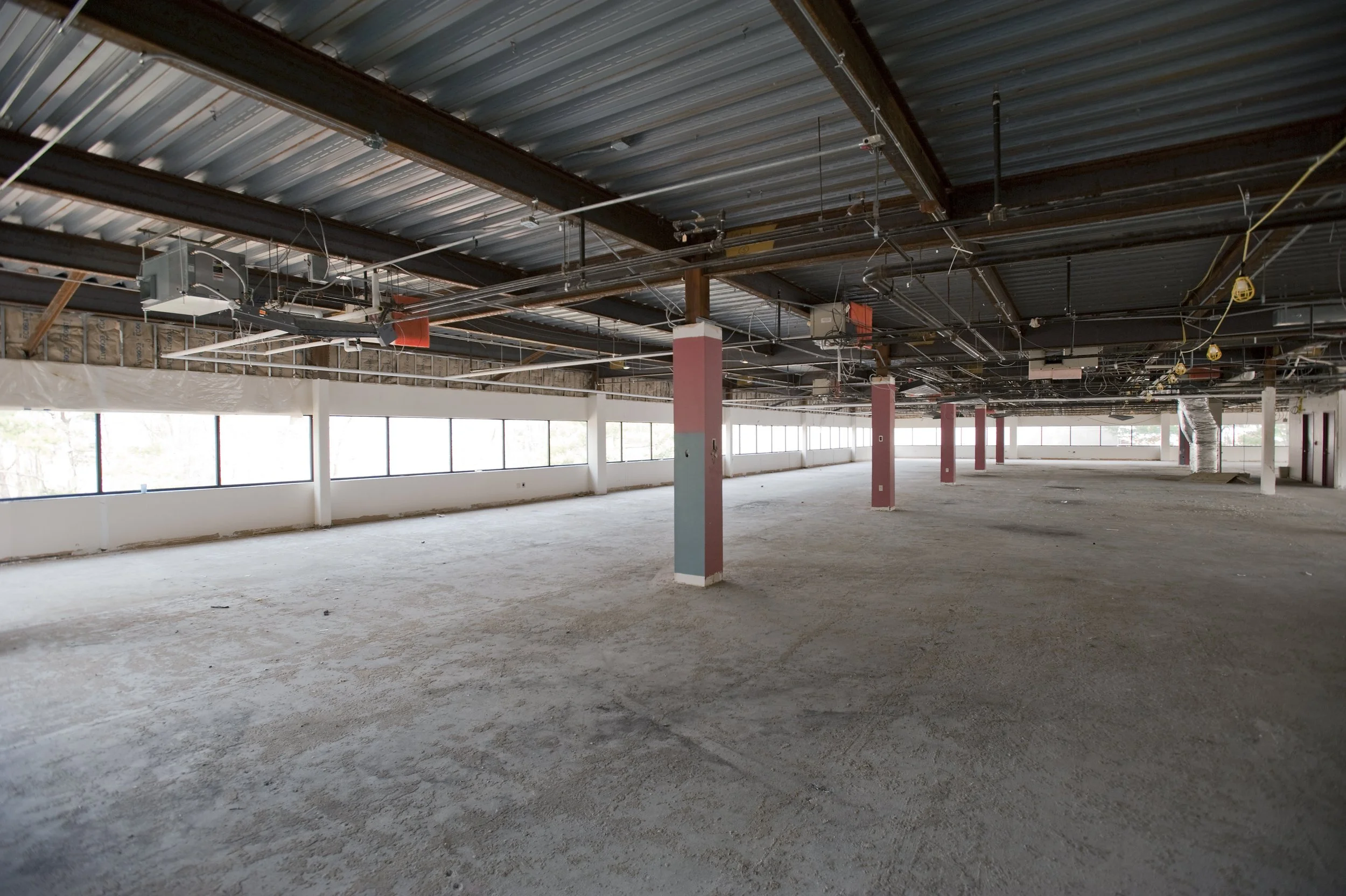
Portland’s commercial vacancy rates are at historic highs. The metro office market hit roughly 27% vacancy by late 2025, with downtown exceeding 30%. For landlords sitting on empty space, the challenge isn’t just finding tenants — it’s cutting through the noise in a market flooded with options. The landlords who treat marketing as an afterthought will keep writing checks on vacant suites. Those who invest in a deliberate, professional marketing strategy will lease up faster and on better terms.
Here’s what’s working in 2026 — and what most Portland landlords are still getting wrong.
The Economic Picture
The numbers tell a stark story. Portland’s office market posted record-low leasing volume in 2025 at just 2.7 million square feet, and net absorption remained deeply negative. Downtown Portland has been among the hardest-hit office markets in the country, with vacancy rates that have more than doubled since 2019. As we covered in our Q4 2025 office market snapshot, the gap between downtown and suburban vacancy continues to widen — suburban office sits around 13%, while downtown exceeds 30%.
This means landlords are competing for a shrinking pool of active tenants. The days of posting a space on LoopNet and waiting for calls are over. Today’s tenants are comparison shopping across dozens of options, and they’re making decisions based on which properties present the best — not just which ones happen to be available.
Meanwhile, economic headwinds continue to shape demand. Interest rates, tariff uncertainty, and regional job losses are all compounding the challenge. And the steep decline in Portland office building values — more than $2 billion since 2019 — means landlords can’t afford to let space sit idle while carrying costs pile up.
What This Means
For landlords with vacant office space: Start with the basics that too many landlords skip. Professional photography is no longer optional — listings with professional images lease significantly faster than those with phone photos or no images at all. Virtual tours and 3D walkthroughs have gone from nice-to-have to expected, especially for out-of-market tenants evaluating Portland remotely. Drone footage of the building exterior and surrounding amenities can set your listing apart in a crowded field.
Your online presence needs to be comprehensive. Listings should be active on CoStar, LoopNet, and Crexi at minimum, with detailed specs: floor plans, ceiling heights, parking ratios, available TI allowances, and lease structure options. Tenants evaluating NNN versus full-service leases want clarity upfront, not vague descriptions they have to call about.
Concessions matter, but how you present them matters more. Leading with generous tenant improvement allowances, flexible lease terms, or free rent periods can accelerate interest — but only if brokers and tenants actually see those terms in your marketing materials. Build a professional offering memorandum and distribute it to every active tenant rep broker in Portland. Make your space the easiest to show and the easiest to deal on.
For landlords with industrial, flex, or retail space: Portland’s industrial market remains far tighter than office, but that doesn’t mean marketing is irrelevant. Even in a low-vacancy submarket, professional presentation helps you command top-of-market rents. Highlight clear heights, dock configurations, power capacity, and yard space with detailed specs and quality photography.
For flex and retail landlords, signage and local visibility still drive leads. But supplement physical signage with targeted digital outreach — email campaigns to brokers who represent your target tenant type, LinkedIn ads geo-targeted to Portland, and listings on specialized platforms beyond the big three.
Regardless of property type, broker relationships remain the most important marketing channel in Portland’s market. Make your property easy to tour, respond to inquiries fast, and offer competitive commissions. The brokers who are actively touring tenants will show the spaces where they know the landlord is responsive and motivated.
The Bigger Picture
Marketing vacant space isn’t just about filling a hole in your rent roll — it’s about positioning your asset for long-term value. The landlords who invested in their marketing during the last downturn came out ahead when the market recovered. Those who let deferred maintenance, poor listing photos, and passive leasing define their vacancies saw values erode.
As we discussed in our piece on how Portland landlords should position vacant space, the strategic moves you make now — from concession packages to suite configurations to marketing spend — will determine whether your property is positioned to capture demand when it returns.
Portland’s commercial real estate market is in transition. Tenants have more options and higher expectations than at any point in the last two decades. Landlords who understand their CAM structures, offer transparent lease terms, and present their space professionally will outperform those who don’t. And getting a clear read on where your lease rates stand relative to the competition is the first step.
Need help positioning your vacant space in today’s market? Whether you’re evaluating your building’s competitive position or need a clear picture of where lease rates are headed, I can help. Reach out for a complimentary Broker Opinion of Value orLease Rate Analysis — no strings attached.