
Portland Commercial Real Estate Investment Outlook: Capital Is Flowing Again in 2026
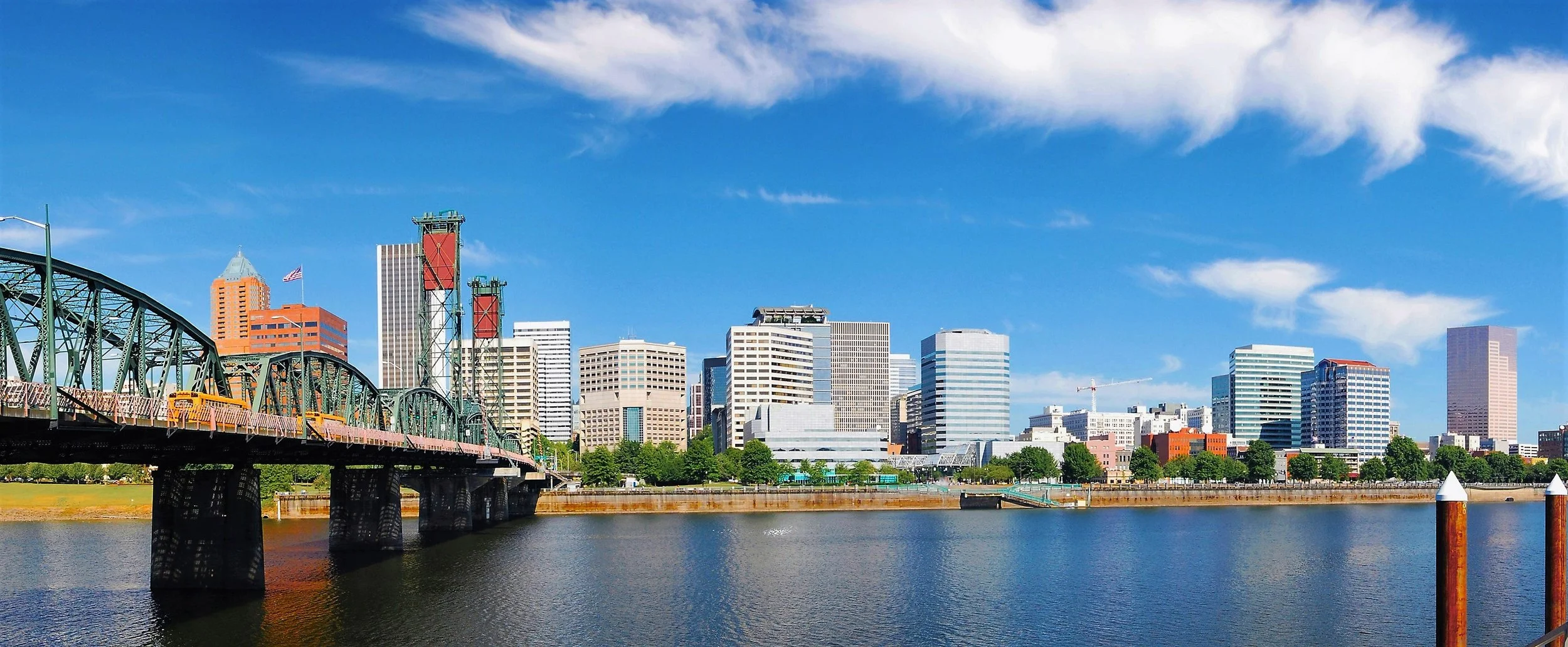
After two years of frozen deal pipelines, rising interest rates, and widespread repricing, Portland’s commercial real estate capital markets are showing real signs of life in 2026. Sales volume jumped 35% from Q1 to Q2 2025, office investment activity hit a seven-year high, and national forecasts are calling for another 15-20% increase in transaction volume this year. For buyers and sellers who have been sitting on the sidelines, the window to act is opening — and it won’t stay quiet for long.
The Economic Picture
The macro backdrop heading into 2026 is more favorable than anything Portland’s CRE market has seen since before the pandemic. Interest rates have settled into the 5.5%-6.5% range depending on borrower profile and asset type, bringing a level of stability that was absent during the volatile rate hikes of 2023 and 2024. The 10-Year Treasury — the benchmark that actually drives most fixed-rate commercial mortgage pricing — has stabilized around 4.00%-4.25% since mid-2025, giving lenders and borrowers a foundation to underwrite deals with more confidence.
That stability is unlocking capital. National CRE investment activity is expected to reach $562 billion in 2026, nearly matching the pre-pandemic annual average. Institutional and cross-border capital is forecast to drive a 15-20% increase in Portland-area sales volume this year.
Locally, the deal flow is already accelerating. The Five Oak Building traded for $125 million in a deal that signaled renewed investor confidence in downtown Portland. ScanlanKemperBard partnered with RGA ReCap to acquire the Columbia River Collection in January, and Intercontinental Real Estate Corporation entered the market with its own SKB partnership acquisition. On the financing side, Ethos Commercial Advisors secured construction financing for Ellison Ridge, a 222-unit residential project — evidence that lenders are once again backing ground-up development.
But this recovery is uneven. Portland’s office market still faces headwinds, with overall vacancy sitting at 24.6% after four consecutive quarters of negative net absorption. At the same time, industrial and flex space are outperforming, and multifamily values appear to have bottomed out — with sales activity up 34% year-over-year and only 2,000 units under construction, the lowest pipeline since 2011.
What This Means
For tenants and occupiers: A more active capital market means ownership changes, and ownership changes often mean shifts in leasing strategy. New buyers frequently reposition assets — adjusting rents, investing in tenant improvements, or converting space to different uses. Tenants in buildings that trade hands should pay close attention to their lease terms and renewal timelines. If your landlord just sold, your negotiating leverage may be different than it was six months ago. Tenants looking for space should also be aware that opportunistic buyers acquiring office assets below replacement cost are likely to offer competitive concessions to fill vacancies and stabilize their new investments — creating potential opportunities for occupiers willing to commit.
For landlords and investors: The narrative is shifting from “correction” to “stabilization,” and that shift creates a specific window. Buyers who move now can acquire high-quality assets before institutional capital fully reenters the market and compresses cap rates. Portland office space is trading at roughly $92 per square foot — the most affordable among top markets in the Western U.S. — and multifamily cap rates remain above 6.0% for a second straight year. For sellers, the improving conditions mean the bid-ask spread is narrowing. If you’ve been holding an asset waiting for better pricing, 2026 may be the year to test the market. A broker opinion of value can help you benchmark where your property stands relative to current comps.
The Bigger Picture
Portland’s capital markets recovery mirrors a national trend, but there are local dynamics worth watching. The combination of economic headwinds from tariffs and federal job losses creates uncertainty that could slow the pace of recovery if conditions worsen. On the other hand, Portland’s industrial sector continues to benefit from supply chain reshoring — as the Oregon JOBS Act unlocks 373 acres of new industrial land near Hillsboro — and the Columbia Corridor remains one of the tightest industrial submarkets in the metro.
The key question for the rest of 2026 isn’t whether capital is returning to Portland — it clearly is. The question is whether the recovery will be broad-based or concentrated in a few asset classes. Right now, industrial, flex, and multifamily are leading the way, while office remains a value play for investors with longer time horizons and higher risk tolerance. Understanding which sectors are moving — and which are still repricing — is the difference between timing the market well and overpaying for the recovery.
Need help understanding where the market is headed for your specific property or investment? Whether you’re evaluating a potential acquisition, considering a sale, or just want to know where your asset stands, I can help. Reach out for a complimentary broker opinion of value or lease rate analysis — no obligation, just real market intel from someone who tracks Portland CRE every day.