
Portland Industrial Market 2026: What Tenants and Investors Need to Know
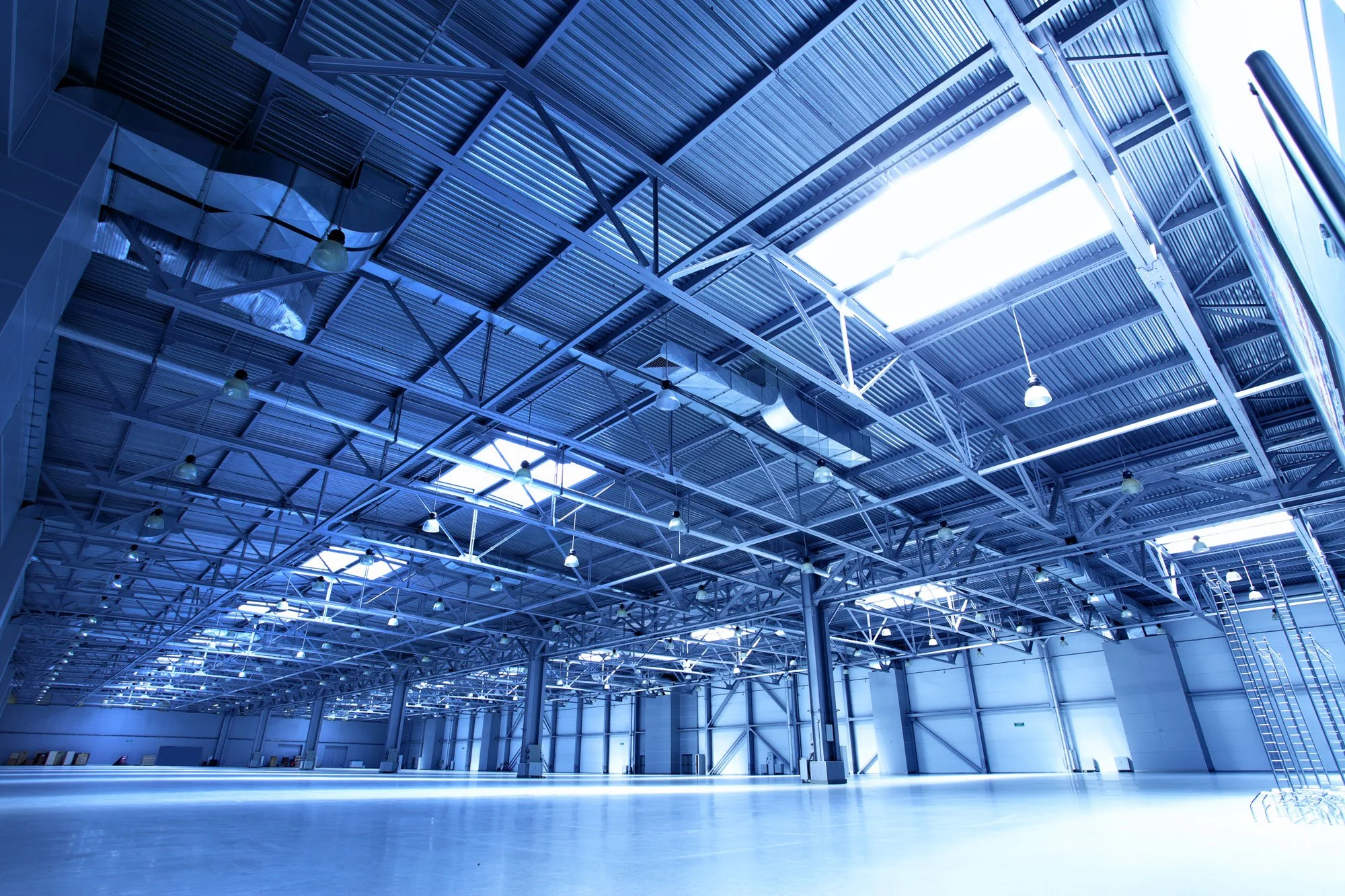
Portland’s industrial market is resetting. After years of historically tight conditions that favored landlords, Q1 2026 brought direct vacancy to 6.5% — up 160 basis points year-over-year — with total availability reaching 10.9%, the highest level in fifteen years. Asking rents slipped to $0.87 per square foot NNN as sublease inventory and new deliveries gave tenants more options than they’ve had since before the pandemic.
But the headline numbers don’t tell the full story. Leasing volume hit 2.5 million square feet in Q1, a 31% jump over the same period last year. CBRE is tracking roughly 3.0 million square feet of active tenant requirements across the metro. The market isn’t dead — it’s recalibrating, and the winners and losers are splitting along submarket, product type, and building-quality lines that matter for anyone making industrial real estate decisions in Portland right now.
Portland Industrial Market 2026 FAQ
Q: What is Portland’s industrial vacancy rate in 2026?
A: Direct vacancy reached 6.5% in Q1 2026, up from 4.9% a year earlier. Total availability — including sublease space — hit 10.9%. Both figures are at 15-year highs but remain well below Portland’s office vacancy rates.
Q: What are Portland industrial lease rates in 2026?
A: Average asking rents are $0.87 per square foot NNN, a slight decline from late 2025. New construction commands above $1.00/SF NNN in top submarkets, while older product and sublease space trade at discounts.
Q: Is it a good time to lease industrial space in Portland?
A: For tenants, yes. Rising vacancy and sublease availability have shifted leverage away from landlords for the first time in years. Concessions are up, and tenants with flexibility on timing and location have negotiating room that didn’t exist 18 months ago.
Q: What is driving Portland industrial vacancy higher?
A: Three factors: new construction deliveries adding supply, elevated sublease availability from tenants downsizing, and negative net absorption (-872,345 SF in Q1) as companies right-size their footprints after pandemic-era overcommitments.
Portland Industrial Vacancy Rates and Availability in 2026
The vacancy story has two layers. The headline 6.5% direct vacancy is historically elevated for Portland — a market that spent most of 2019-2023 below 4% — but it's not crisis territory. For context, Portland's office market is sitting above 15% vacancy. Industrial remains the healthiest major property type in the metro.
What's more concerning is the availability rate. At 10.9%, it means roughly one in nine square feet of Portland's industrial inventory is either vacant or will be available within the next 12 months. That gap between vacancy and availability signals more supply coming to market as existing leases expire and tenants either downsize or relocate.
The small-bay segment under 50,000 square feet has been hit hardest, with vacancy more than doubling. Small-bay users — typically local distributors, contractors, and light manufacturers — are more sensitive to economic uncertainty and have been quicker to shed excess space. For tenants searching in this size range, it's the best selection they've seen in years. For landlords, it means pricing power has eroded significantly in a segment that was nearly impossible to find space in just two years ago.
Portland Industrial Rents and Lease Economics 2026
Average asking rents at $0.87/SF NNN mask a widening gap between building classes. Newly delivered Class A product — modern clear heights, ESFR sprinkler systems, ample trailer parking — is achieving above $1.00/SF NNN in top submarkets like the Hillsboro and Sunset Corridor and East Columbia Corridor. These are buildings that meet the specifications institutional tenants and 3PLs require, and landlords are holding firm on pricing.
Older vintage product is a different story. Buildings from the 1970s-1990s with lower clear heights, limited dock positions, and deferred maintenance are competing against sublease space that offers newer finishes at below-market rates. The result is downward pressure on effective rents — even where face rates haven't moved, concession packages including free rent periods and tenant improvement allowances are more generous than they've been since pre-pandemic.
For tenants evaluating lease structures, the NNN format remains standard across Portland industrial. Operating expenses — property taxes, insurance, and CAM — typically add $0.15-$0.25/SF to the base rent depending on building age and common area obligations. Understanding your total occupancy cost matters more in a market where landlords are competing on concessions rather than face rate.
Portland Industrial Submarkets Performing Unevenly
Not every corridor is telling the same story. The strongest leasing activity in Q1 concentrated in two areas: the Airport Way and Columbia Corridor submarket and the East Columbia Corridor extending toward Gresham, where proximity to I-84, I-205, and PDX continues to drive demand from logistics and distribution users.
Vancouver and Clark County posted notable activity including a 1.2 million square foot new lease at Mid I-5 Industrial Park — the kind of large-format deal that doesn't happen in supply-constrained Portland proper. For tenants who can operate from across the river, Clark County offers newer product, competitive rents, and Oregon's lack of sales tax for Washington-based customers.
The Clackamas and outer Southeast submarket has seen softer conditions, with older product competing against newer developments in Wilsonville and Sherwood that offer better truck access and modern specifications. Central Eastside and inner Southeast remain essentially a different market — small-format, creative/flex, and food production users with very different space needs than bulk distribution.
For investors evaluating Portland industrial assets, submarket selection is the variable that matters most right now. A well-located, modern building in the Columbia Corridor is a fundamentally different underwriting exercise than a 1980s small-bay building in an outlying submarket.
Portland Industrial Construction Pipeline and New Supply
The construction pipeline is the most important forward-looking indicator in this market. Approximately 2-3 million square feet is currently under development across the metro, with completions extending through mid-2027. In Q1 alone, 260,000 square feet delivered.
Here's the good news for landlords and investors: the pipeline is shrinking. Higher construction costs, tighter lending standards, and rising vacancy have cooled speculative development. Developers who were breaking ground on spec industrial 18-24 months ago are not starting new projects at the same pace. That pullback in supply — combined with Portland's urban growth boundary, which physically constrains where new industrial can be built — sets up a potential vacancy compression cycle beginning in late 2027 or 2028 as the current pipeline delivers and absorbs without being replaced by new starts.
Portland's UGB is the structural constraint that separates this market from Sun Belt industrial markets where supply can respond to demand almost without limit. The land-constrained reality means that when the current supply cycle works through, the next tightening cycle could be sharp.
What Portland Industrial Tenants Should Do in 2026
If you're a tenant in the market for industrial space — whether leasing, expanding, or relocating — 2026 is the best negotiating window you've had in years. Here's what that means in practice.
Start your search now if your lease expires in 2027 or 2028. Landlords are competing for tenants in a way they haven't had to recently, and that leverage won't last indefinitely. The construction pipeline is winding down, and the window for tenant-favorable deals will narrow as vacancy peaks and begins to compress.
Run a proper due diligence process. More options on the market means more chances to find the right building — but also more opportunities to make a mistake on a building that looks good on paper but has deferred maintenance, environmental issues, or zoning constraints that become your problem after signing.
Don't chase the cheapest rent. Sublease space and older vintage buildings may look attractive on face rate, but evaluate total occupancy cost including operating expenses, build-out requirements, and the operational impact of lower clear heights or fewer dock positions. The cheapest building is rarely the best value.
What Portland Industrial Investors Should Watch in 2026
For investors, the current market creates both risk and opportunity. The risk is straightforward: rising vacancy and softening rents compress NOI, which pressures cap rates and valuations on existing assets. If you own older industrial product in a softening submarket, the math on holding versus selling is worth running now — a broker opinion of value grounded in current comparables can clarify whether the market has moved past your pricing.
The opportunity is on the acquisition side. Motivated sellers — particularly those facing loan maturities on assets underwritten at 2021-2022 valuations — may create buying opportunities in the back half of 2026 and into 2027. The fundamentals that make Portland industrial attractive long-term haven't changed: constrained supply due to the UGB, strategic Pacific Northwest location on the I-5 corridor, proximity to the Port of Portland's marine and air cargo facilities, and a metro economy that continues to generate industrial demand from manufacturing, distribution, and technology sectors.
Cap rate compression from here requires rent growth to resume, which requires vacancy to tighten, which requires the construction pipeline to deliver and absorb without new speculative starts replacing it. That sequence is underway — the question is timing, not direction.
Considering an Industrial Lease or Investment in Portland?
Whether you're a tenant evaluating your options in a shifting market or an investor underwriting Portland industrial assets, the decisions you make in 2026 will be shaped by submarket-specific fundamentals that broad market averages don't capture.
Matt Lyman handles industrial and commercial real estate across the Portland metro — tenant representation, landlord representation, investment sales, and property valuations. The process starts with understanding where the market actually is for your specific building type, size range, and submarket.
Ready to talk? Call me at 503-507-4880 or visit portlandcre.com/contact for a confidential conversation.