
Suburban Office Space Portland: Why Kruse Way and Sunset Corridor Are Outperforming Downtown
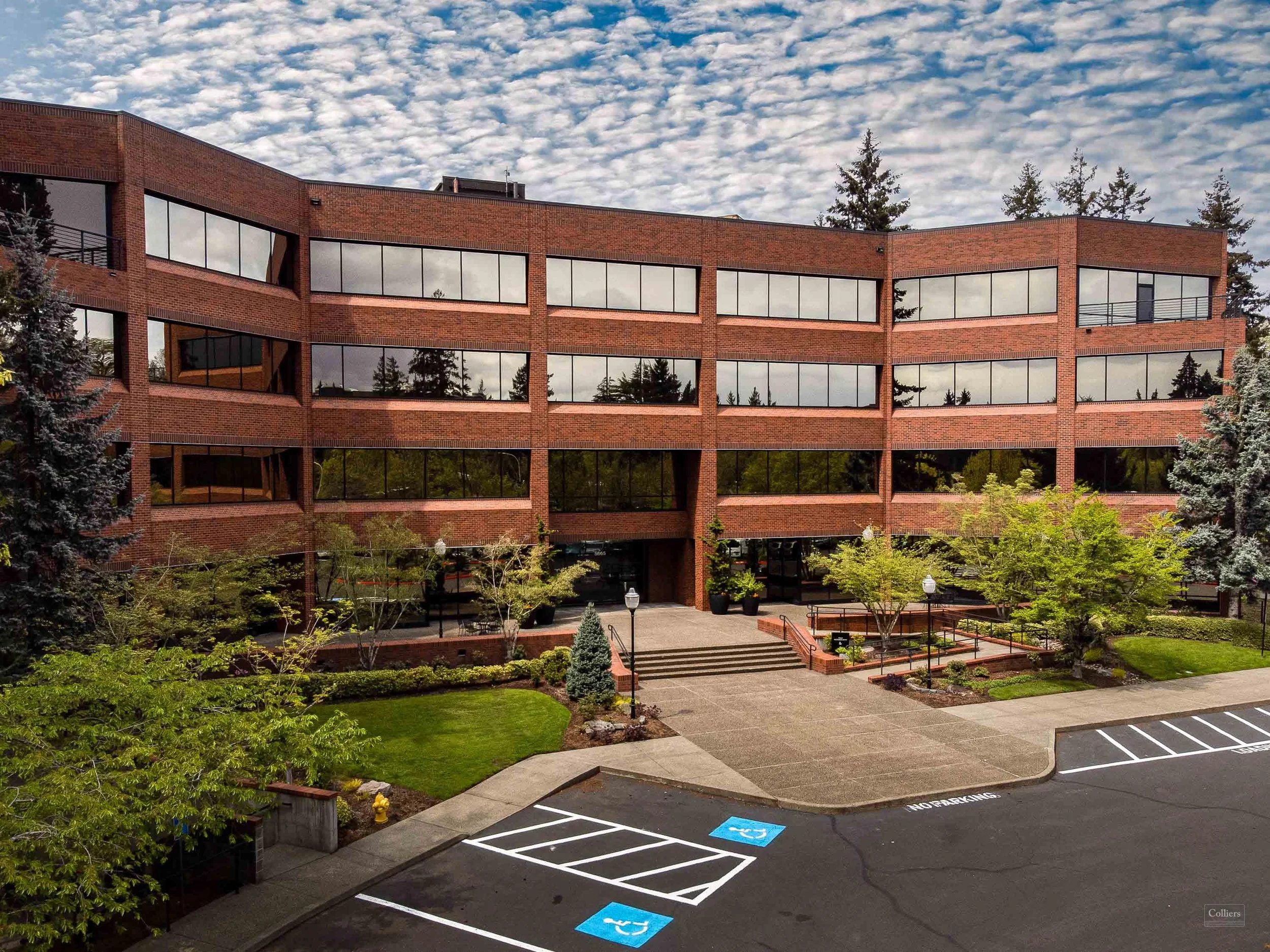
While Portland’s downtown office market continues its slow recovery with vacancy hovering near 27.3%, a different story is unfolding in the suburbs. Kruse Way and the Sunset Corridor represent the most stable office nodes in the metro area, and the reasons trace directly to what tenants actually want right now: accessibility, value, and a path forward that doesn’t hinge on downtown’s recovery timeline.
The data tells a clear picture. As of Q4 2025, Kruse Way is holding at 22.5% vacancy—down a couple percentage points in recent quarters—while Sunset Corridor’s expected decline to 23.1% following Nike’s 189,400-square-foot lease commitment signals genuine confidence from large institutional tenants. These aren’t marginal improvements. In a metro where 13% vacancy is the band that defines healthy suburban markets, Kruse Way and Sunset Corridor are performing.
FAQ: Kruse Way and Sunset Corridor Vacancy Trends
Q: How does a 22.5% vacancy rate translate to “stable” for Kruse Way?
A: Context matters. Portland’s overall metro is at 27.3%. Kruse Way is 4.8 points ahead of that baseline, and trending in the right direction. More importantly, the tenants choosing Kruse Way—companies like Directors Mortgage and Hoffman Construction—are committing to long-term space, not temporary relocations. Stability here means predictable demand from credit-worthy users seeking operational efficiency, not speculation.
Q: What’s the difference between Kruse Way and Sunset Corridor performance right now?
A: Kruse Way is consistently occupied and seeing steady leasing activity across a broad tenant base. Sunset Corridor is tracking toward improvement, driven heavily by Nike’s anchor commitment. Nike’s decision to locate 189,400 square feet there signals that major corporate users still see the Corridor as strategically valuable. That’s not just a lease—it’s a vote of confidence that ripples across the market.
Q: Are these suburbs actually competing with downtown Portland for tenants?
A: Yes, but not in the way many expect. It’s not that tenants are choosing suburbs over downtown as a preference. They’re choosing suburbs because downtown still carries transition risk. Suburban markets offer certainty: established infrastructure, mature tenant rosters, and transparent economic drivers. For growing companies that can’t afford market uncertainty, that’s compelling.
Q: Is the recent housing conversion of shadow office space in Kruse Way reducing supply?
A: It is, and that’s actually healthy market correction. Shadow office—space originally built as office but used for other purposes or sitting vacant—was keeping vacancy rates artificially high. Converting that inventory to residential use where there’s actual demand reduces the shadow overhang and makes remaining office space more competitively valued.
Kruse Way Office Market Positioning in Portland’s Suburban Recovery
Kruse Way occupies a unique position in the Portland metropolitan office landscape. It’s accessible from major corridors without the congestion of downtown routes, it’s close to the airport, and it sits within reach of both established residential areas and emerging employment clusters. That geographic positioning, which seemed tangential a few years ago, is now a primary tenant driver.
What makes Kruse Way’s 22.5% vacancy notable isn’t just the number itself—it’s the composition of the market. Recent relocations to Kruse Way have included established firms with multi-year lease horizons and growth plans. Directors Mortgage and Hoffman Construction chose Kruse Way deliberately, not as a fallback. When credit-worthy tenants with operational needs make that choice, it signals that the market has moved past the phase of panic leasing or distressed deals. You’re looking at a market with fundamentals.
The stability also reflects something less visible in top-line vacancy data: tenant diversity. Kruse Way isn’t dependent on a single industry or corporate anchor. It serves professional services firms, construction-related companies, light industrial users, and growing tech operations. That diversity acts as a natural hedge against sector-specific downturns.
For landlords in this market, the implication is direct: you can plan for operational consistency without the volatility that characterizes downtown. For tenants, you gain access to functional space in a market where your landlord isn’t under distress pressure, which usually translates into more predictable lease terms and better maintenance.
Sunset Corridor’s Nike Commitment and Its Ripple Effect on Stability
Nike’s 189,400-square-foot lease commitment in the Sunset Corridor isn’t just a transaction. It’s a signal that a company with unlimited choices—unlimited capital, unlimited geographic flexibility, unlimited market intelligence—has concluded that the Sunset Corridor makes operational sense in 2026 and beyond.
When institutional tenants of that scale make location decisions, they’re not reacting to immediate cost savings. Nike can afford the best space in any market. The decision to lease 189,400 square feet in the Sunset Corridor reflects assessment of long-term viability, transportation infrastructure, workforce proximity, and market trajectory. That’s the kind of judgment that moves markets.
Expected to decline to 23.1% vacancy as the Nike lease closes and delivery occurs, Sunset Corridor is entering a phase where institutional confidence backs up the headlines. That decline isn’t speculative. It’s pre-committed space from a tenant that will occupy it and presumably expand there if operations justify it.
For other tenants considering Sunset Corridor space, Nike’s presence changes the calculation. You’re no longer choosing a secondary market hoping for recovery. You’re choosing a location that an anchor tenant has already validated. That shifts Sunset Corridor from an alternative play to a viable primary choice for operations that need West Side proximity.
Portland Suburban Office Market Advantages Driving Leasing Activity
The broader Portland suburban office market is capturing tenant demand for several converging reasons. Downtown Portland’s office market remains in recovery mode, with high vacancy and uncertain timelines for meaningful recovery. Suburban markets don’t have that headwind.
Accessibility is the first-order advantage. Kruse Way connects to major commute corridors and airport access without downtown congestion. For companies with distributed teams or client-facing operations, that matters. Tenants whose staff lives in West Hills, Beaverton, or suburban Clackamas County can reach Kruse Way faster than they can reach downtown offices.
Cost is the second factor, but it’s more subtle than simple rent. Suburban office space offers better value, yes, but the real advantage is operational certainty. When lease rates are stable and landlords aren’t distressed, you can forecast occupancy costs with confidence. That predictability is worth more than short-term rent discounts that might evaporate as the market corrects.
Third is workforce access. The Portland metro’s growth has been suburban for years. Established residential areas, housing inventory, and cost of living advantages all cluster in suburbs. Tenants whose recruiting needs are local—and most operational businesses are—find better candidate pools in suburban zones. That’s not spin. It’s where the labor market actually functions.
Finally, there’s the question of market timing and stability. Companies making three-, five-, and ten-year space decisions need to believe their chosen market won’t crater mid-lease. Suburban markets, precisely because they’re not dependent on downtown office recovery, offer that stability. Kruse Way and Sunset Corridor occupy that position clearly.
Data Behind the Decline: How Kruse Way Vacancy Has Shifted
Kruse Way’s movement from higher vacancy rates to 22.5% reflects specific leasing wins and market normalization. The “couple percentage points” improvement in recent quarters might seem modest until you measure it against metro-wide stagnation.
That decline has two sources. The first is straightforward leasing activity: new tenants selecting Kruse Way for reasons outlined above. Directors Mortgage, Hoffman Construction, and similar firms chose the location deliberately. Their occupancy reduces available inventory and raises the cost of vacancy for landlords who haven’t recently leased space.
The second source is supply-side adjustment. Housing conversion of shadow office space is removing inventory that wasn’t productively leased anyway. If a building block originally built as office sits 40% vacant with users in non-office categories, converting that space to residential use clarifies the market. You’ve removed shadow supply that was making the vacancy rate look worse than the actual functional market demanded.
Together, these forces are moving Kruse Way toward market equilibrium. Not toward the 13% band that defines healthy suburban markets—that would require further improvement—but in the right direction. The trajectory matters as much as the current number.
Tenants watching the data see that movement. Landlords see it. When a market is moving in the right direction, it attracts more leasing attention, which accelerates the movement. Kruse Way is in that cycle now.
Sunset Corridor’s Strategic Position in Portland’s West Side Office Network
The Sunset Corridor occupies the geographic sweet spot for the Portland metro’s West Side. It connects major residential areas—Beaverton, Tigard, Tualatin—with employment centers and major transit corridors. Nike’s decision to locate in the Corridor reflects that positioning explicitly.
Beyond Nike, the Sunset Corridor serves as a natural hub for companies targeting West Side operations. Its accessibility to the 217 Corridor (Beaverton, Tigard, Tualatin) gives it broader reach than Kruse Way alone, though Kruse Way’s airport proximity creates its own distinct value.
The expected decline to 23.1% vacancy, pending Nike’s occupancy, positions Sunset Corridor firmly in the competitive range for West Side tenants. That 23.1% number—while still elevated by historical standards—represents a significant market signal. It means Nike’s space commitment is already reshaping how landlords and tenants evaluate the market. Asking rents will hold. Concessions will recalibrate. The market is moving toward stability.
For companies considering West Side presence, whether in Sunset Corridor specifically or the broader Hillsboro-Sunset Corridor zone, the macro context is clear: this is where institutional capital is committing, where tenants are relocating, and where the operating fundamentals support long-term decisions.
What Downtown Office Vacancy Means for Suburban Stability
Portland’s downtown office market at 27.3% vacancy serves as a reference point for understanding why suburban markets like Kruse Way and Sunset Corridor are winning leasing deals. Tenants looking at downtown face two problems: high vacancy and slow recovery timelines.
High vacancy translates to uncertain landlord behavior. Desperate landlords offer short-term deals, unusual terms, aggressive concessions. Those can look attractive in budget spreadsheets, but they create operational risk. What happens when the lease expires and the landlord has repositioned? What happens if you’re committed to a downtown location that never recovers?
Suburban markets sidestep that. Landlords in Kruse Way and Sunset Corridor aren’t desperate. They have reasonably healthy occupancy, established tenant bases, and stable fundamentals. That translates into more predictable lease structures, better maintenance and service, and lower operational friction.
The gap between downtown (27.3%) and suburban (13% band, with Kruse Way at 22.5% and Sunset Corridor tracking toward 23.1%) isn’t going away quickly. Downtown will recover, but the recovery is measured in years, not quarters. Suburban markets have already moved past the worst disruption. That’s not trivial. That’s a decision driver.
How to Evaluate Suburban Office Space Decisions
If you’re considering space in Kruse Way or Sunset Corridor, the market data provides clear guidance. Both locations are moving in the right direction. Both are attracting quality tenants making long-term commitments. Both offer operational advantages—accessibility, workforce proximity, cost structure—that justify the decision on fundamentals, not just speculation on market recovery.
The practical evaluation approach is straightforward. First, compare lease proposals carefully. Suburban markets offer more stable terms, but landlord quality still varies. Know what you’re comparing.
Second, understand your team’s actual commute and operational patterns. Kruse Way makes sense if your operations sit in that geographic zone. Sunset Corridor works if you’re targeting West Side access. Don’t choose based on vacancy data alone; choose based on where your operations actually function.
Third, think about your lease horizon. If you’re planning a three- to five-year occupancy, suburban market stability becomes more valuable. You’re not betting on recovery; you’re choosing an already-stable market. That changes the risk calculus.
If you’re exploring whether a site search in the Portland suburbs makes sense, start early in the process. Market movement is real, but it’s not creating the distressed opportunity window that characterized downtown a few years ago. Quality space moves when landlord-tenant relationships are healthy. Early engagement matters.
For landlords and investors evaluating Kruse Way or Sunset Corridor opportunities, the same stability that attracts tenants supports asset performance. These aren’t markets experiencing sudden disruption. They’re markets with durable demand drivers, established tenant bases, and realistic paths to improved fundamentals.
The Broader Portland Metro Picture
Kruse Way and Sunset Corridor exist within a Portland metro market that’s stratified by recovery pace and fundamentals. Downtown at 27.3% remains challenged. Suburban nodes are performing measurably better. That stratification is likely to persist because the underlying drivers—downtown disruption, suburban accessibility, tenant preferences for operational certainty—aren’t changing quickly.
The implication for 2026 and beyond: suburban office markets are no longer secondary choices or alternatives to downtown. They’re primary markets with distinct value propositions, stable fundamentals, and genuine institutional confidence backing them. Nike’s commitment in Sunset Corridor, Kruse Way’s steady leasing activity, and the broader West Side market dynamics all point toward sustained demand for quality suburban office space.
For brokers, landlords, and tenants navigating the Portland market, the data is clear. Suburban resilience isn’t a temporary phenomenon. It’s the emerging structure of the Portland metro office market.
Work With Us on Your Suburban Office Strategy
If you’re evaluating Kruse Way, Sunset Corridor, or broader West Side office decisions, the market data supports action. These markets are moving, and the advantage goes to companies that understand the fundamentals and move deliberately.
Our team at portlandcre.com works daily in these markets. We understand the tenant roster, the landlord quality, the operational drivers, and the realistic trajectory. Whether you’re looking to relocate, expand, or optimize your current occupancy, we can translate market data into workable decisions.
Reach out to our tenant representation team if you’re exploring space. Connect with our landlord representation group if you’re considering repositioning or refinancing Kruse Way or Sunset Corridor assets. Or review our broader commercial real estate services to understand how we work.
The Portland suburban office market is moving. You should be moving with it.