
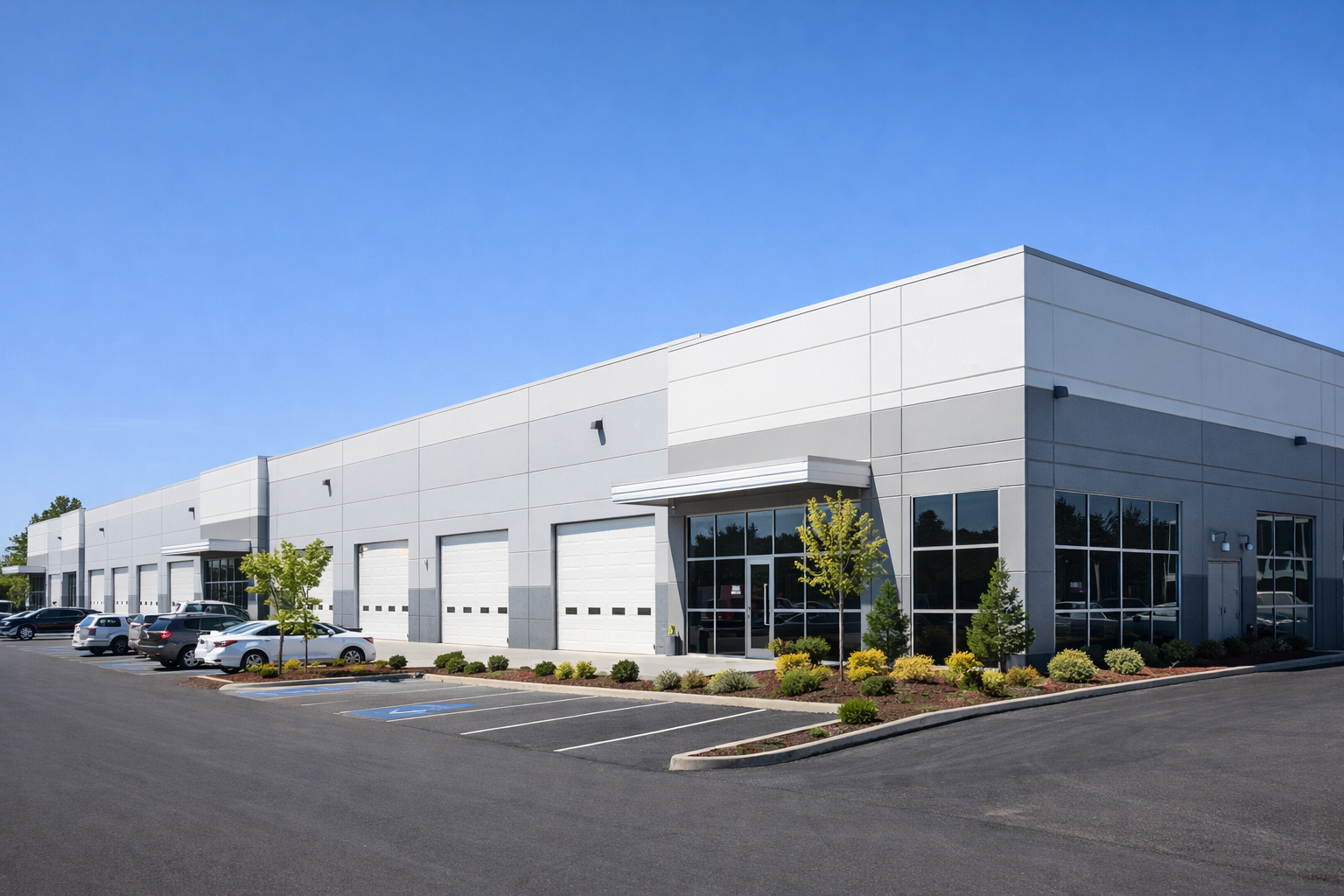
Hillsboro & Sunset Corridor
Hillsboro/Sunset Corridor industrial guidance for westside business-park flex users needing US-26 access, parking utility, and office ratio.
ABOUT HILLSBORO & SUNSET CORRIDOR
Hillsboro and the Sunset Corridor are core Westside industrial areas shaped by US-26 access, major employment nodes, and a mix of business parks, flex/industrial, and functional warehouse inventory. Users often prioritize workforce proximity, Westside customer access, and commute patterns as much as pure building specs. This page outlines what typically fits here, how to evaluate options quickly, and the deal terms that most affect total occupancy cost.
WHAT’S DIFFERENT ABOUT THIS SUBMARKET
Hillsboro and the Sunset Corridor are the Westside’s primary business-park flex/industrial corridor, anchored by US-26 (Sunset Highway) and major employment nodes. Inventory here often emphasizes flex functionality and office ratio as much as warehouse utility, so the real differentiators are parking supply, allowed uses/park rules, and practical loading/circulation (not just “it has a grade door”). The fastest way to narrow options is to confirm office percentage, parking, and any restrictions first, then evaluate loading, power, and expense language.
LOCATION INFORMATION
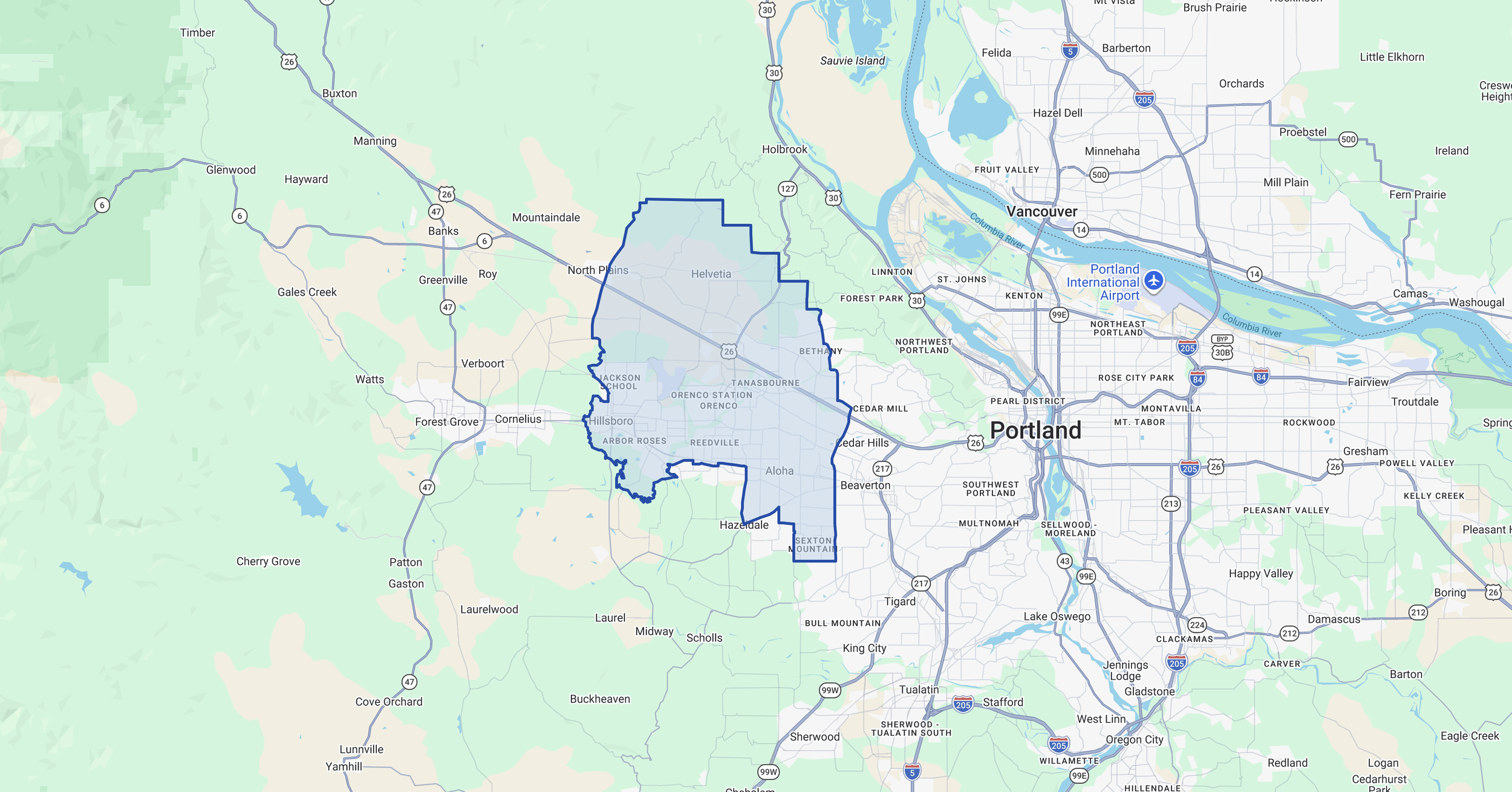
Hillsboro and the Sunset Corridor generally refer to Westside industrial and flex pockets along US-26 (Sunset Highway) from the Sunset area through Beaverton and into Hillsboro, including business park clusters near the major US-26 interchanges. Boundaries vary by listing, but the practical focus is Westside inventory with quick US-26 connectivity, access to major employment nodes, and strong proximity to West metro customers and labor.
QUICK SNAPSHOT
Known For
Westside access anchored by US-26 connectivity
Strong mix of flex/industrial and business park inventory, plus functional warehouse options
Demand driven by proximity to Hillsboro/Beaverton employment and West metro customers
Typical User Profiles
Light manufacturing, assembly, and tech-adjacent users
Contractors and service businesses serving the Westside
Flex users needing office/showroom + warehouse functionality
Best Fits
Users prioritizing Westside labor and customer proximity
Operations that benefit from flex layouts and business park functionality
Tenants who want strong access without being in close-in Portland corridors
Common Constraints
Availability can tighten quickly; timing and shortlist discipline matter
Parking and office ratios can be limiting depending on staffing
Truck access and circulation vary widely across “flex” inventory—verify early
RENT, PRICING, AND DEAL TERMS
Negotiation Levers
Concessions: free rent, TI/turnkey packages, phased buildouts
NNN/CAM language: inclusions/exclusions, admin/management fees, capital items
Expense controls: caps on controllables, audit rights, base-year mechanics
Maintenance responsibilities: HVAC and common area allocations in multi-tenant projects
Options: renewal/expansion rights where operational continuity matters
Comparing Proposals
Compare total occupancy cost using effective economics: base rent + operating expenses + concessions amortized over term + tenant costs (improvements, moving, downtime). In flex-heavy Westside inventory, office ratio, parking utility, and expense definitions often drive the “real” deal.
Deal Killers
Parking ratio fails once staffing growth is modeled.
Park rules prohibit fleet/trailer parking or outdoor storage needed for operations.
Space is “flex” on paper but loading/door placement doesn’t work.
Typical Deal Terms
Hillsboro/Sunset Corridor behaves like a business-park flex market. Negotiations often center on office ratio, parking utility, and park rules (signage, fleet vehicles, outdoor storage). TI frequently goes to office reconfiguration and showroom upgrades rather than warehouse improvements. Concessions should reflect office-heavy buildout costs.
Mini Case Example
A service operator required office-forward flex with parking capacity and limited restrictions. Options were screened by office %, parking, and rules before touring. The final deal structured TI for office rework and negotiated clearer allowances for vehicles and signage.
SUBMARKET FAQ
-
Flex/industrial users, light manufacturing/assembly, and Westside service businesses prioritizing labor and customer proximity.
-
Often yes. There is warehouse inventory, but many options are flex/business park product—verify loading and circulation early.
-
The Sunset Corridor's industrial and flex inventory is more tied to tech sector cycles than any other Portland submarket. When semiconductor and electronics companies expand, flex and light industrial space tightens and rates increase. When those companies contract or sublease, options open up — sometimes at below-market rates on recently built-out space. Timing your search to catch sublease opportunities or contraction cycles can create meaningful cost advantages.
-
Flex space typically has a higher office-to-warehouse ratio (30-60% office) with grade-level loading and business park aesthetics. Light industrial has a lower office ratio with more emphasis on production, storage, or assembly function. The Sunset Corridor has both — but many buildings marketed as "industrial" are really business park flex with limited loading, lower clear heights, and CC&Rs that restrict uses like outdoor storage, heavy truck traffic, or extended operating hours. Confirm what the building actually supports before assuming it's true industrial.
-
any Hillsboro/Sunset Corridor properties sit within business parks governed by CC&Rs (covenants, conditions, and restrictions). These can limit signage, exterior modifications, parking usage, operating hours, and noise levels. Some parks require landlord and association approval for tenant improvements. Review CC&Rs before signing — a restriction you discover after lease execution is expensive to work around.
-
Start 12–18 months before expiration, earlier if your space has specialized buildout or if you're in a business park with limited comparable options. The Sunset Corridor has less overall inventory than Airport Way or Clackamas, so fewer alternatives means less leverage — unless you start early enough to identify and credibly pursue options in adjacent submarkets like the 217 Corridor or Beaverton.
WHAT’S YOUR PROPERTY WORTH?
Whether you're benchmarking against recent warehouse and distribution sales, evaluating a hold-vs-sell decision, or preparing for a refinance conversation, a broker opinion of value gives you a clear, comp-based pricing range for your Airport Way or Columbia Corridor industrial property. I'll deliver a 50–80+ page report covering comparable sales, lease comps, vacancy analytics, and a pricing summary with conservative, probable, and optimistic values — at no cost and no obligation.
ARE YOU PAYING THE RIGHT LEASE RATE?
Whether you're negotiating a new warehouse lease, approaching a renewal in the Columbia Corridor, or evaluating whether your current rate reflects today's market, a lease rate analysis gives you the data to negotiate from a position of strength. I'll pull recent lease comps, concession packages, and vacancy trends for Airport Way and Columbia Corridor industrial space — so you know exactly what tenants like you are paying and where there's room to negotiate.
RELATED

GET IN TOUCH
Contact Matt Lyman at Norris & Stevens about leasing or buying industrial and flex space in the Hillsboro and Sunset Corridor area. Whether you're a tech-adjacent manufacturer, a contractor serving westside clients, or a company needing flex space along US-26, share your situation and Matt will follow up with current availability and market context.
Include your space requirements — size range, office-to-warehouse ratio, power, loading, and timeline — and Matt will respond with Hillsboro and Sunset Corridor options that match.