
The Central City Code Amendments: Unlocking Downtown Portland’s Next Phase
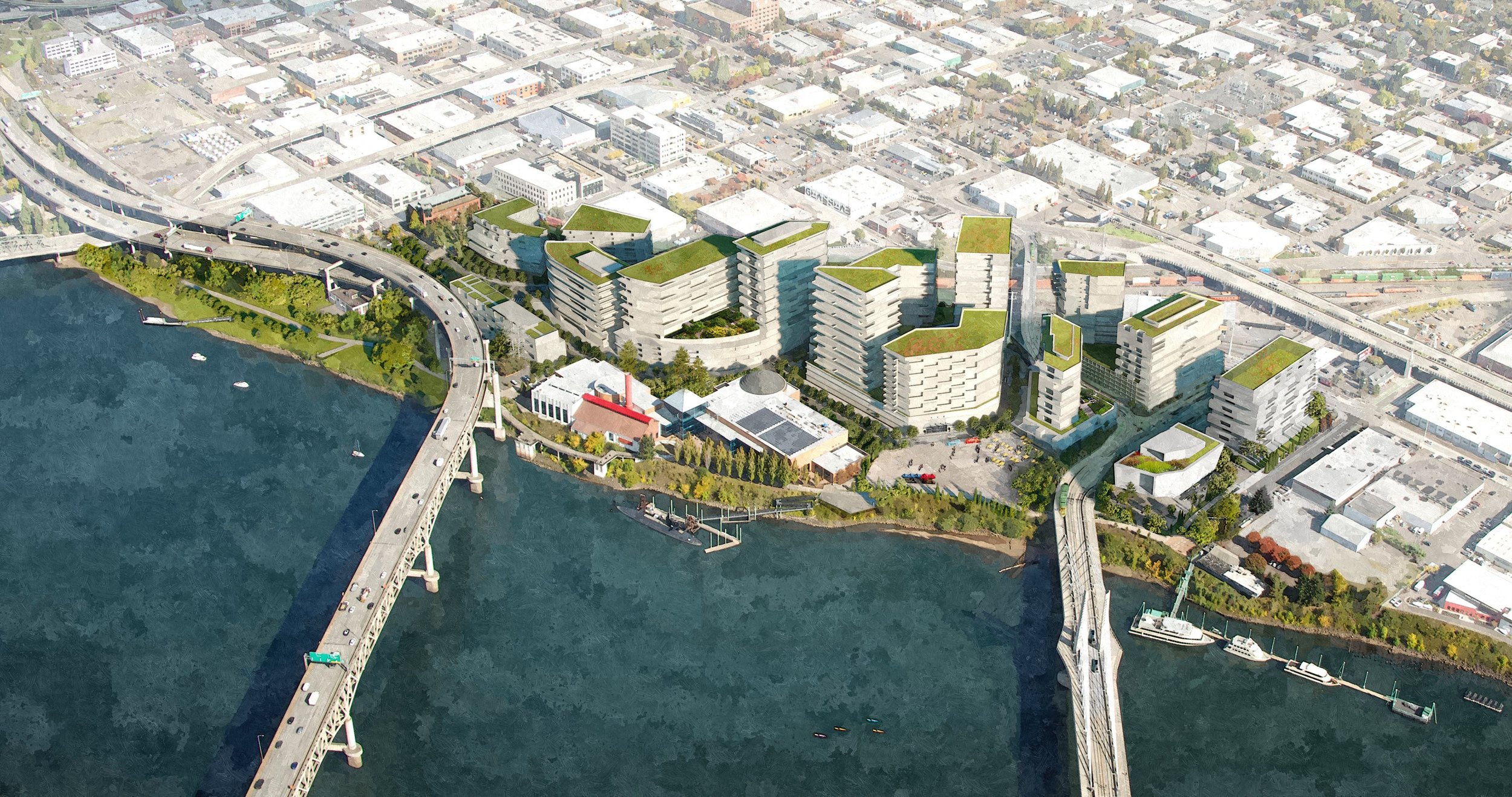
Portland’s downtown vacancy problem isn’t a market failure. It’s a regulatory one. The city released the Central City Code Amendments in January 2026 to address that directly—removing zoning barriers that have kept housing off downtown blocks and mixed-use projects in proposal stages. Understanding these changes matters whether you own downtown property, manage a portfolio in the Central Eastside, or are evaluating Portland’s recovery trajectory.
This guide breaks down what changed, what it means for property value and development feasibility, and what timeline you’re working with. The amendments reflect a straightforward bet: loosen zoning constraints, increase housing supply, and downtown comes back. The evidence from other West Coast markets suggests the city is right.
Portland Central City Code Amendments FAQs
Q: What problem are the Central City Code Amendments trying to solve?
A: Post-pandemic downtown Portland has suffered from vacant storefronts, underutilized buildings, and a lack of residential density. The amendments address zoning rules that historically prohibited housing in certain zones and restricted mixed-use development. By removing those barriers, the city expects to unlock housing production and economic recovery in downtown, the Central Eastside, and Lower Albina.
Q: When do these changes take effect?
A: The public comment period closed February 13, 2026. The Planning Commission and City Council decisions are expected in summer and fall 2026. Properties won’t see immediate zoning changes, but development applications submitted after adoption will operate under the new framework.
Q: Who benefits most from the Central City Code Amendments?
A: Property owners with vacant or underutilized buildings on downtown blocks currently zoned commercial-only. Developers building mixed-use or residential projects. And investors holding land in Lower Albina and the Central Eastside now opening to residential use. Property owners in these areas should revisit development feasibility for projects previously zoned out.
Q: Do I need to rezone my property?
A: The amendments include zoning map changes, so some properties will see automatic reclassification. Others will fall under updated code language that permits new uses in existing zones. Contact the City of Portland Bureau of Planning and Sustainability or a development consultant to confirm your specific property’s status.
Portland Downtown Zoning Changes: Height and Density
The most visible change is height allowances. The amendments increase building height limits in multiple downtown zones, particularly along transit corridors and near the Willamette River waterfront. This directly affects development feasibility: buildings that were economically impossible under old height restrictions may now pencil out.
The math is straightforward. A 10-story mixed-use building generates more residential units, more ground-floor retail or office, and better returns per square foot of land. When zoning previously capped buildings at 65 feet, that math didn’t work. At 120 or 150 feet, it does. Developers have already filed preliminary applications in anticipation of these changes; expect to see projects move from concept to construction quickly after City Council approval.
Ground-floor activation matters too. The amendments reduce restrictions on ground-floor dwelling units in certain downtown zones—a rule change that addresses both housing supply and the retail vacancy problem simultaneously. A building with ground-floor residential units is not a building with ground-floor retail space. But it’s occupied, activated, and generates foot traffic. Older zoning codes assumed ground-floor retail was the only way to activate downtown. The amendments acknowledge that mixed-use density—residential above and below commercial—works better in post-pandemic conditions.
For property owners, this means your 1970s office building on SW Alder might be reclassified to allow residential conversion. The highest-and-best-use calculation changes. That conversion project you shelved five years ago may now be economically viable.
Portland Central City Zoning Map Amendments and Lower Albina
Lower Albina and the adjacent North Pearl district have long been zoned to prevent residential use—a legacy of post-war urban renewal and industrial zoning that persisted decades past its utility. The Central City Code Amendments remove those housing prohibitions, opening approximately 50 acres to residential development for the first time in modern zoning history.
This is the most significant piece of the amendments for long-term supply. Lower Albina sits less than a mile north of downtown, has transit access, and has sat substantially underutilized. New zoning that permits mixed-use residential development unlocks hundreds of potential housing units while allowing building owners to preserve industrial and craft uses where they fit.
The mechanics matter: the amendments don’t rezone Lower Albina industrial land to residential-only. They permit residential use within mixed-use zones. An owner can build housing, ground-floor retail or production space, and market-rate or affordable units in the same building. That flexibility is what makes the zoning actually work—it’s not a land-use mandate, it’s permission to develop productively.
Current industrial property owners in Lower Albina face a decision. Hold for continued industrial use (now with a permitted residential component). Or sell to a developer planning mixed-use redevelopment. Either path is now available. That optionality increases property value for current owners and signals to investors that this area is ready for capital allocation.
Central Eastside Portland Zoning Revisions and Industrial Preservation
The Central Eastside represents a different challenge than downtown or Lower Albina. It’s home to functioning industrial uses—light manufacturing, distribution, craftspeople—that add real economic value. The amendments don’t displace that. Instead, they add housing permissions while protecting industrial land.
Zoning revisions in the Central Eastside include mixed-use zoning that permits residential development alongside industrial uses, with protections ensuring industrial tenants aren’t pushed out by rising land values. It’s a middle path: allow the highest-and-best-use to shift toward mixed-use development while preserving space for working industry.
For investors, this creates opportunity. A warehouse building in the Central Eastside becomes a conversion candidate for lofts or mixed-income housing. A property owner can develop residential above warehouse/production space. The industrial ground floors stay occupied with actual industrial use. You get housing supply without sacrificing the area’s economic character.
The Willamette River waterfront development provisions in the Central Eastside amendments open that edge to mixed-use and waterfront-appropriate uses as well. Long-neglected parcels along the water become development sites. This drives property values up for owners willing to develop and creates a natural gathering space that wasn’t there before.
Willamette River Waterfront Activation and Mixed-Use Development
The waterfront section of the Central City Code Amendments focuses on activation and public access. Zoning changes permit mixed-use development, parks, and public gathering spaces along the river. The goal is straightforward: turn the Willamette from a barrier between downtown and the industrial areas into a connector.
Mixed-use zoning along the water allows residential towers with ground-floor retail, restaurants, and public plazas. It permits parks and public access easements as part of development. Some properties will be developed for public waterfront use rather than private buildings. The zoning creates incentives for both.
For property owners, waterfront parcels that were restricted to industrial or parking use can now develop mixed-use. That’s a significant land-value change. A parking lot becomes a site for a 12-story building with apartments and a waterfront cafe. The economics shift dramatically.
Public investment in connecting the waterfront—parks, trails, public access—drives value for nearby properties without the owner doing anything. This is infrastructure-driven value creation. Property owners in blocks adjacent to the waterfront benefit from city investment in the area even if their own zoning permits only traditional commercial use.
Portland Downtown Revitalization 2026: Timeline and Development Feasibility
The Central City Code Amendments are not instant. The Planning Commission and City Council decisions come summer and fall 2026. Adoption takes another few weeks for final code language. Development under the new rules starts in 2027.
The practical timeline for property owners is this: get development feasibility studies done now. Understand what your property can become under the anticipated amendments. File applications early in 2027 when the new code is active. Early movers have advantage—construction financing is easier to secure when projects have clear zoning certainty, and planning department review queues will fill quickly.
For downtown property owners, the amendment process overlaps with a changing office market. Portland’s office market contracted post-pandemic. Downtown office vacancy is high. The amendments unlock conversion of that office space to housing. That’s not replacement of office as office; it’s adaptive reuse. Buildings that made sense as offices make more sense as apartments given current market conditions. The amendments simply legalize what smart owners already want to do.
For Central Eastside and Lower Albina owners, the timeline is longer—18 months to two years before shovel-ready projects are financed and built. But the signaling is clear: these areas are being repositioned. Investors are watching. Capital is waiting for zoning certainty. Once the amendments are adopted, development will move fast.
What Changes for Investors and Property Owners
The Central City Code Amendments don’t require property owners to do anything. Zoning changes happen whether you develop or not. But the amendments do change what you can build, and that matters for property valuation.
A downtown property zoned commercial with no housing permission has a certain highest-and-best-use value. The same property zoned mixed-use residential has higher value because the development possibilities are broader. The amendments increase that value for properties in the affected areas. Even if you have no intention to develop, your property is now more valuable to a buyer who does.
For active developers and operators, the amendments solve a constraint problem. Mixed-use projects that didn’t pencil out under old height limits now work. Residential conversion projects that were zoned illegal become zoned legal. Lower Albina projects that required variances now fit standard code. That reduces development costs and risk. It shortens entitlement timelines. It improves project economics.
For institutional investors managing Portland real estate, the amendments represent long-term supply growth. More housing downtown. More housing in Lower Albina. More mixed-use development in the Central Eastside. Supply growth improves market stability and reduces the kind of vacancy crisis downtown has experienced since 2020.
Central City Code Amendments and Portland’s Office Market
The office market context matters. Portland office space is vacant at levels not seen before. Downtown particularly. The amendments don’t solve office vacancy directly—there’s no zoning change that makes office use more attractive. But they do allow office-to-residential conversion that wasn’t previously permitted.
That’s the realistic recovery path for downtown office buildings. Not bringing office tenants back—the market for that is limited. Converting buildings to serve residential, hotel, and entertainment use instead. The amendments make that conversion legal and economical. A property owner with a half-empty office building can now pursue residential conversion without fighting zoning code.
For tenants and landlords in the remaining office market, this matters strategically. Class A office space in buildings positioned to convert to other uses carries more risk. The highest-value office tenants will seek spaces in buildings unlikely to convert—newer buildings with good bones, strong locations, and committed landlords. This creates market segmentation. It also creates opportunity for investment in those remaining high-quality office assets.
Tenant and Landlord Considerations
The amendments create different dynamics for commercial tenants seeking downtown or Central Eastside space. A landlord with a building positioned to convert to residential may not be as motivated to retain or attract commercial tenants. Lease renewal negotiations become more complex when the landlord has a lucrative exit strategy through residential conversion.
Smart tenants lock in longer leases now if they plan to remain downtown. Landlords holding space for conversion can still achieve good returns by renting to tenants while waiting for zoning certainty and planning approval. The transition period—2026 through 2027—is when both parties are evaluating next moves. Clarity on the amendments removes ambiguity from that evaluation.
For landlords managing downtown or Central Eastside property, the decision framework is clear. Assess your building’s development potential under the new zoning. Compare the value of holding as a rental against the value of conversion. Some buildings will be higher-value as long-term rental assets than as development sites; don’t assume conversion is the answer for every property. But understand your options and make deliberate choices.
Development Financing and Central City Projects
Construction financing for downtown and Central City projects is easier when zoning is clear. Lenders want to see that projects meet current code, that entitlements are achievable, and that the timeline is realistic. The Central City Code Amendments remove a major uncertainty variable from that analysis.
Developers with projects in the affected areas should prepare detailed financial models showing pro formas under both old and new zoning. The difference in feasibility—and therefore project viability—is often substantial. A project that didn’t work under 65-foot height limits may have 25% better returns at 120 feet. Lenders see that and commit capital accordingly.
For buyers evaluating Portland property, development potential matters. An unimproved parcel in Lower Albina or the Central Eastside has different value before and after the amendments are adopted. Timing purchase around zoning certainty is a smart strategy. But even if you purchase before adoption, the amendments increase your property’s long-term value.
Getting Current Zoning Information for Your Property
Property owners unsure about their specific zoning status should consult the City of Portland Bureau of Planning and Sustainability directly or work with a broker familiar with the amendments. The Bureau’s website has the draft code language, proposed zoning map amendments, and details on which properties are affected.
For downtown properties, assume that mixed-use development becomes possible where it previously wasn’t. For Lower Albina and Central Eastside properties, assume residential use is now permitted as part of mixed-use development. For waterfront properties, assume mixed-use and public-access requirements.
But don’t assume based on general rules. Specific zoning depends on your exact location, existing zoning, and the details of the adopted amendments. Get clarity before making major decisions about your property or planning significant capital investment.
The Portland CRE team has deep expertise in Central City market conditions and zoning policy. If you’re navigating property decisions in downtown, Lower Albina, or the Central Eastside, discussion with a broker familiar with both current market conditions and the amendments timeline can save considerable time and reduce decision risk.
The Broader Market Impact
The Central City Code Amendments represent a policy shift: the city is choosing supply growth and development feasibility over restrictive zoning. That matters for market sentiment. It signals that Portland is serious about downtown recovery and willing to change the rules to enable it.
Other West Coast cities have made similar shifts. Seattle’s housing zoning reforms. San Francisco’s office-to-residential conversion laws. Los Angeles’s mixed-use zoning expansions. The pattern is consistent: loosen zoning, increase development, supply increases, housing pressure moderates, rents stabilize. Portland is following the same path.
For investors with long-term Portland exposure, the amendments suggest sustained investment in downtown and Central City property is prudent. Supply growth takes years to materialize. But the zoning certainty that will exist after adoption makes that supply growth likely. Current property values already price in some expectation of the amendments passing; full recovery happens when projects are in construction and units are leasing.
Next Steps: What Property Owners Should Do Now
If you own property in downtown Portland, Lower Albina, the Central Eastside, or near the Willamette River waterfront, take these steps:
First, get clarity on your property’s current zoning and how the amendments affect it. Contact the Bureau of Planning and Sustainability or hire a consultant. Understanding your specific situation is the foundation for all other decisions.
Second, if you’re considering development, get a feasibility study under both current and anticipated zoning. The difference in returns often justifies the cost of analysis.
Third, think strategically about timing. If you’re planning to sell, understanding how the amendments increase property value helps set expectations. If you’re planning to hold and develop, timing development around zoning adoption and financing availability matters.
Fourth, monitor the City Council process. The Planning Commission will make recommendations in summer 2026. City Council votes come fall 2026. Follow that timeline so you know when zoning certainty arrives.
Finally, if you’re managing a significant property portfolio in these areas, consider updating your strategic plan. The Central City Code Amendments change the runway for downtown recovery. Build that change into your assumptions about market evolution and property value.
Understanding Portland’s Recovery Path
The Central City Code Amendments are not magic. Changing zoning doesn’t instantly fill empty buildings or erase the office market challenges downtown has faced. But it removes a genuine constraint on recovery. Developers can now build at heights that make projects work. Residential conversion becomes legal. Lower Albina opens to development. Mixed-use becomes possible where single-use dominated before.
That matters. Zoning is one of the few policy levers the city directly controls. Changing it signals commitment to change and removes a major uncertainty for investors. Projects that were on the shelf waiting for zoning relief will move forward. Capital that was waiting for policy clarity will deploy.
Downtown Portland recovery isn’t guaranteed by the amendments. But it’s now possible in ways it wasn’t before. That possibility is what justifies current investment in Portland real estate and what makes the amendments worth paying attention to.
Want more insight into Portland commercial real estate strategy and market changes? Read our analysis on Portland’s office market conditions in Q4 2025 and the 2026 retail market outlook. Whether you’re evaluating downtown assets, planning a Central Eastside investment, or positioning for Portland’s next phase, we help commercial property owners and investors make better decisions. Reach out to discuss your specific situation.