
Swan Island & Rivergate
North Portland industrial guidance for heavy users who need freight orientation, yard potential, and functional logistics.
ABOUT SWAN ISLAND & RIVERGATE
Swan Island and Rivergate are core North Portland industrial areas known for close-in access, established industrial tenancy, and a broad mix of functional building stock. The corridor is often evaluated for proximity to the central city and river/port-oriented uses, with building and site constraints that vary widely by property. This page outlines what typically fits here, how to evaluate options, and the deal terms that most affect total occupancy cost.
WHAT’S DIFFERENT ABOUT THIS SUBMARKET
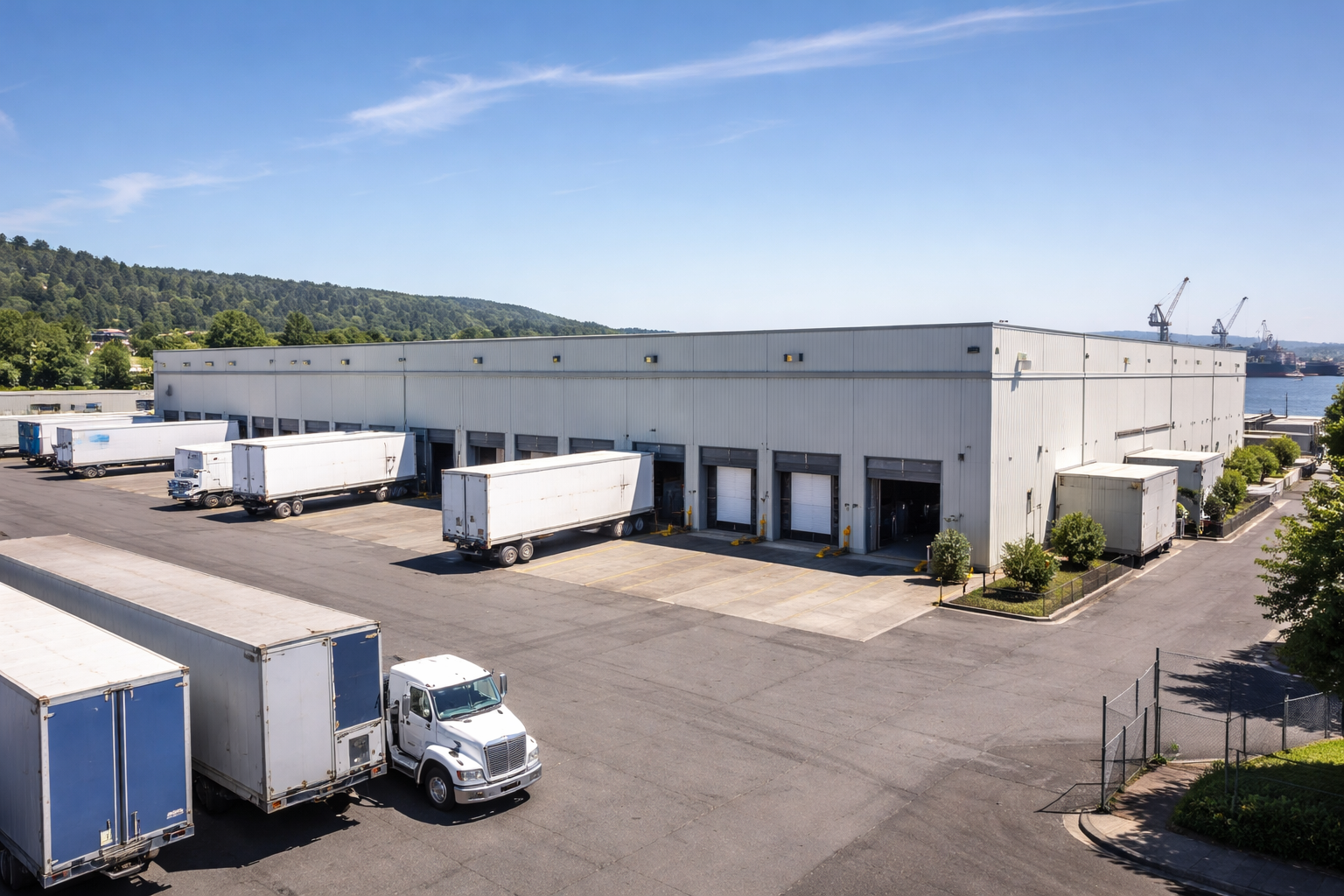
Swan Island and Rivergate are North Portland’s most heavy-industrial, freight-oriented submarkets, influenced by river/port activity and large-user demand. Inventory here often fits operations that value industrial zoning, yard/staging potential, and functional logistics more than office finish. Site selection usually comes down to truck routing and access constraints, outdoor storage feasibility, and infrastructure needs (power/sprinklers). The fastest way to narrow options is to confirm permitted use and yard/staging requirements first, then evaluate loading and expense/maintenance language.
LOCATION INFORMATION
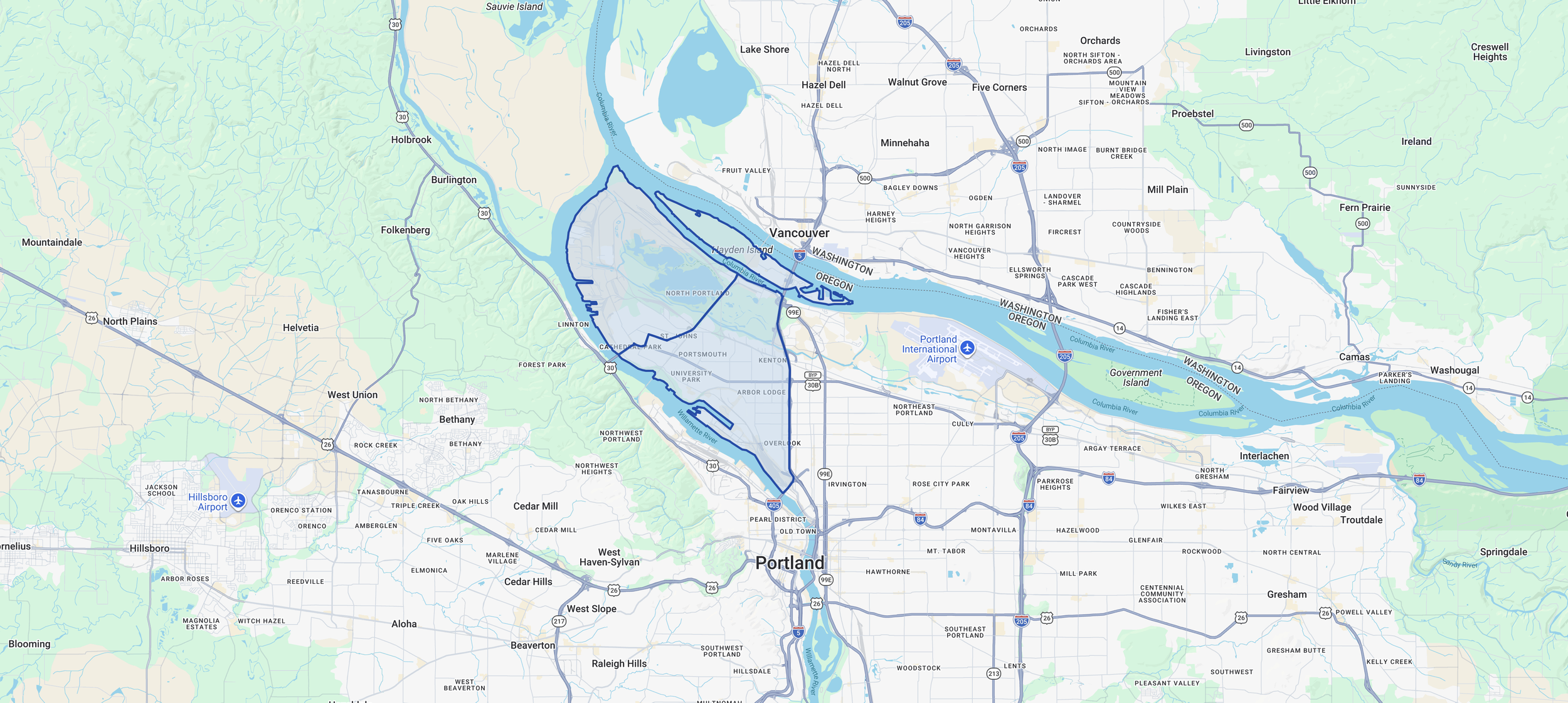
Swan Island sits just northwest of Downtown Portland along the Willamette River, while Rivergate is farther north along the Columbia River near the Portland–St. Johns area. Together, they form a major North Portland industrial cluster with strong connectivity via Hwy 30 and nearby I-5 access. Boundaries can vary by listing, but the practical focus is close-in industrial inventory serving North Portland and regional freight routes.
QUICK SNAPSHOT
Known For
Close-in North Portland location with established industrial tenancy
Mix of warehouse, manufacturing, and service/industrial inventory
River and port-adjacent industrial context
Typical User Profiles
Manufacturing and light industrial operations
Service/contractor and fleet users
Warehouse users prioritizing proximity over newest specs
Best Fits
Users needing North Portland access and close-in response time
Operations that can work within functional building/site constraints
Tenants focused on practicality: layout, loading, power, and maintenance clarity
Common Constraints
Older, functional inventory can require deeper diligence on condition and systems
Site circulation, loading, and parking can be limiting depending on the property
Power, sprinklers, and maintenance responsibility language can be deal-critical
RENT, PRICING, AND DEAL TERMS
Negotiation Levers
Concessions: free rent, TI/turnkey packages for office or workflow changes
NNN/CAM language: inclusions/exclusions, admin/management fees, capital items
Caps + audit rights: especially for controllable expenses
Maintenance responsibilities: clearly define roof/structure/HVAC/parking lot scope
Options: renewal, expansion, termination rights when justified by operational risk
Comparing Proposals
Compare total occupancy cost using effective economics: base rent + operating expenses + concessions amortized over the term + tenant costs (improvements, moving, downtime). In functional inventory, maintenance scope and CAM definitions can change the “real” deal more than the headline rate.
Deal Killers
Use doesn’t match zoning/neighbor sensitivity or site restrictions.
Environmental or heavy-industrial diligence surfaces late (utilities, legacy issues, limitations).
Yard/outdoor storage “expected” but not documented as permitted/exclusive.
Typical Deal Terms
Swan Island/Rivergate negotiations frequently center on permitted use, yard/outdoor storage rules, and maintenance scope (lot, roof, heavy systems). TI is often less about aesthetics and more about power, ventilation, fire protection, and functional buildout. Leases should define what counts as operating expense vs capital and what triggers tenant responsibility.
Mini Case Example
A heavy user required yard utility and functional logistics access. The search prioritized zoning fit and outdoor storage feasibility before touring heavily. Negotiations focused on maintenance scope, yard rights, and clear expense definitions to prevent surprises.
SUBMARKET FAQ
-
Manufacturing, service/contractor, and warehouse users prioritizing North Portland proximity—especially when the building layout and site constraints match the operation.
-
Inventory often skews functional, but there is variation. Condition, systems, and site utility should be verified early.
-
Loading/circulation, power, sprinklers, roof/structure condition, and how maintenance responsibilities are assigned in the lease.
-
Swan Island and Rivergate are the only Portland industrial submarkets with direct river and port adjacency. This creates advantages for marine services, heavy fabrication, and businesses that use barge or ship transport. It also means some parcels have environmental overlay restrictions, flood zone considerations, or port authority lease structures that differ from standard commercial leases. Environmental and site due diligence matters more here than in most corridors.
-
Access varies significantly by specific location. The Going Street bridge has height restrictions. Some Swan Island streets have tight turning radii that limit full-size trailer maneuverability. Rivergate generally has better truck access with wider streets and more modern site layouts. If your operation runs 53-foot trailers or heavy equipment, verify the specific route from the freeway to the building — not just the site itself.
-
Both Swan Island and Rivergate have parcels with historical environmental contamination from prior industrial and port uses. Some sites are on the DEQ's Environmental Cleanup Site Information database. Environmental conditions can affect lease terms (indemnification language, permitted uses, modification restrictions) and may require Phase I or Phase II assessments during due diligence. Ask about environmental history early — not after the LOI is signed.

WHAT’S YOUR PROPERTY WORTH?
Whether you're benchmarking against recent warehouse and distribution sales, evaluating a hold-vs-sell decision, or preparing for a refinance conversation, a broker opinion of value gives you a clear, comp-based pricing range for your Airport Way or Columbia Corridor industrial property. I'll deliver a 50–80+ page report covering comparable sales, lease comps, vacancy analytics, and a pricing summary with conservative, probable, and optimistic values — at no cost and no obligation.
ARE YOU PAYING THE RIGHT LEASE RATE?
Whether you're negotiating a new warehouse lease, approaching a renewal in the Columbia Corridor, or evaluating whether your current rate reflects today's market, a lease rate analysis gives you the data to negotiate from a position of strength. I'll pull recent lease comps, concession packages, and vacancy trends for Airport Way and Columbia Corridor industrial space — so you know exactly what tenants like you are paying and where there's room to negotiate.
RELATED

GET IN TOUCH
Contact Matt Lyman at Norris & Stevens about leasing or buying industrial space in Swan Island and Rivergate. Whether you're a manufacturer needing close-in access, a marine services operator, or a business evaluating functional older inventory near the central city, share your situation and Matt will follow up with current options and relevant comps.
Include your space requirements — size range, loading, power, site access considerations, and timeline — and Matt will respond with Swan Island and Rivergate options that fit.