
Case Study: Leasing a NW Portland Industrial Building to Amazon
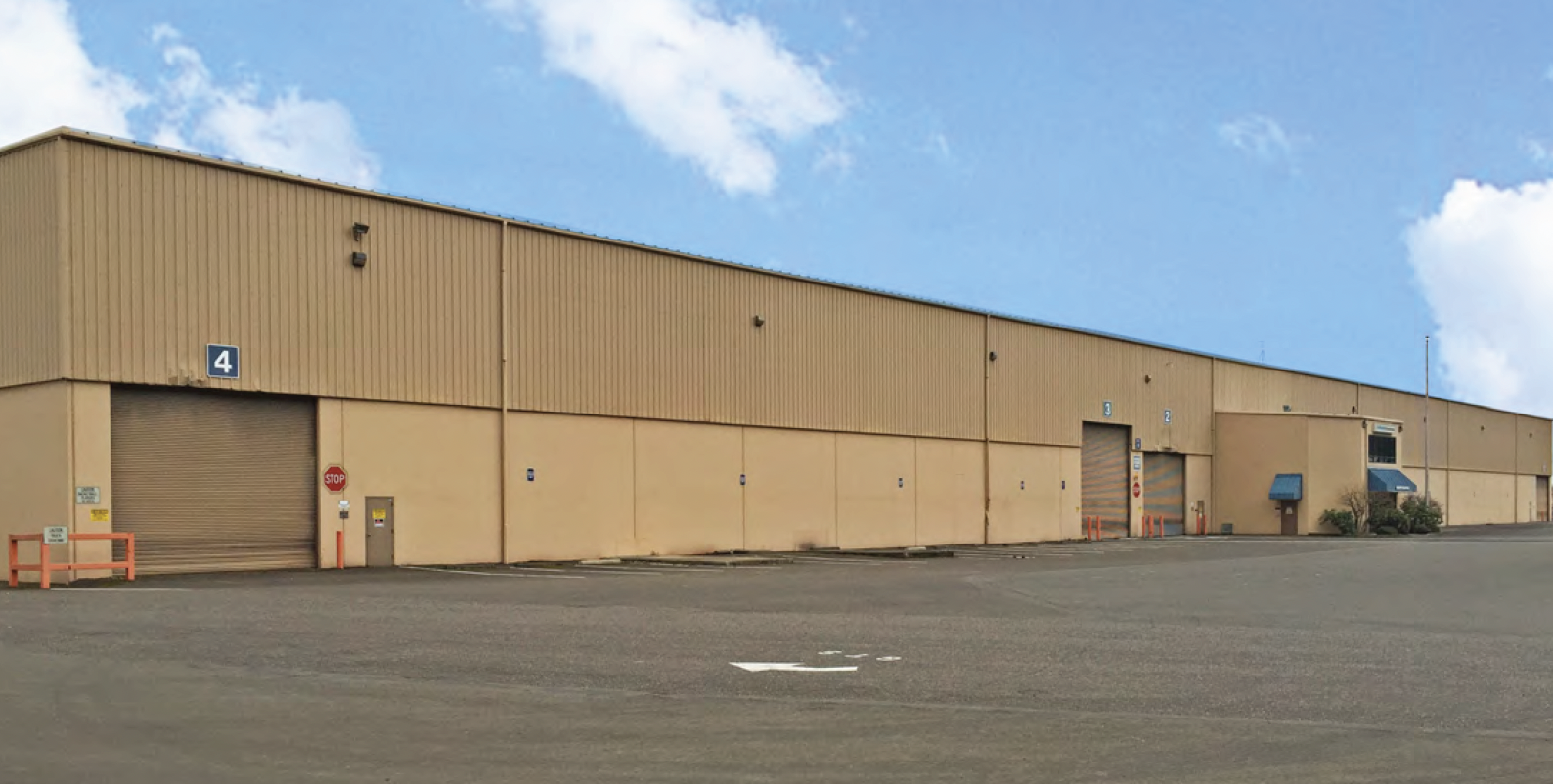
When Amazon set out to launch Prime Now — its one-to-two-hour delivery service — in Portland, the building it chose was an 89,481-square-foot crane-served industrial building in NW Portland. The space was on the market with Norris & Stevens representing the landlord, and the transaction — which closed over a decade ago — is a clean case study in how NW Portland industrial space reaches a national credit tenant, and what disciplined industrial landlord representation actually adds to a deal.
Matt Lyman represented the landlord on the assignment. Amazon was not on anyone’s call list for a close-in Portland warehouse at the time — the tenant was introduced to the building through the brokerage community after a broker open house, and its tenant representative carried it back to Amazon from there. What follows is how that happened, why the building fit, and what industrial owners can take from it.
NW Portland Industrial Leasing FAQ
Q: How does industrial landlord representation work in Portland?
A: A landlord’s broker prices the building from real comparables, positions it against the competing set, markets it to the full brokerage community and directly to likely users, and negotiates the lease. On larger industrial assets, most qualified tenants arrive through their own broker, so reaching that broker community is the job.
Q: What is a broker open house, and why does it matter?
A: A broker open house is a scheduled event where a listing broker opens a property specifically for other brokers to tour. It matters because the tenant you want often is not searching listings directly — their broker is. One tour can put a building in front of dozens of tenant representatives at once.
Q: What did Amazon lease in NW Portland?
A: An 89,481-square-foot crane-served industrial building in NW Portland, which Amazon used as its first Prime Now delivery center in the city, on a multi-year lease.
Q: Why is close-in NW Portland industrial space valuable for last-mile delivery?
A: Last-mile and rapid-delivery operations need to be physically close to dense population to hit tight delivery windows. Close-in NW Portland industrial buildings sit minutes from the city center, and functional, well-located space in that submarket is scarce.
The Property: An 89,481 SF Crane-Served NW Portland Industrial Building
The building sat in one of the tightest industrial submarkets in the Portland metro — close-in NW Portland, with fast access to the central city and the region’s freeways. At 89,481 square feet, it was a large, single-tenant footprint with a two-story office build-out and clear height and power suited to manufacturing and distribution users.
Its defining feature was that it was crane-served. Overhead cranes are relatively rare in the leasing market, and they narrow the field of competing buildings sharply. For the right user, a crane-served building with drive-through capability and heavy power is not a commodity box — it is one of only a handful of viable options in the submarket. That scarcity is exactly what gives a landlord leverage, provided the building is marketed to the users who value those features.
For context on how this submarket behaves today, see the Columbia Corridor and Airport Way industrial market and the broader Portland industrial market overviews.
How a Broker Open House Put the Building in Front of Amazon
A national tenant like Amazon does not respond to a for-lease sign. It works through a tenant representative, and that representative works the market on the tenant’s behalf. The path to a deal, then, runs through the brokerage community — not around it.
That is what a broker open house is built for. By opening the building to other brokers and marketing the event across the market, the listing surfaced in front of the tenant representatives most likely to have a requirement that fit. Amazon’s broker learned of the building through that outreach and brought it back to Amazon as a candidate for its Prime Now launch. The introduction did not come from a cold call to Amazon — it came from making the building impossible for the broker community to miss.
This is the same principle behind any effective plan to market vacant commercial space: the tenant you want is usually one broker relationship away, and the job is to reach that broker, not just the tenant.
Why NW Portland Industrial Space Fit Amazon's Prime Now Model
Prime Now promised delivery in one to two hours. That promise only works if the fulfillment point is close to the customers being served. A distribution center an hour outside the core cannot support a two-hour delivery window; a building minutes from dense, close-in neighborhoods can.
The NW Portland location put the operation where it needed to be. The size accommodated the racking, staging, and vehicle flow a rapid-delivery center requires, and the building's existing features meant Amazon could occupy without waiting on ground-up construction. For a program Amazon wanted to launch quickly, an existing, well-located, appropriately sized building was worth more than a cheaper option in the wrong place.
What Industrial Landlord Representation Delivered on This Deal
Landlord representation is often misread as "putting up a listing." On a deal like this, the value showed up in four places:
Positioning. Pricing and presenting the building so its scarce features — crane, close-in location, size — were the story, not an afterthought.
Market reach. Running a broker open house and marketing to the tenant-rep community, which is how a tenant like Amazon actually surfaces.
Negotiation. Working a lease with a sophisticated national tenant and its counsel while protecting the landlord's economics and long-term position.
Certainty. Securing a credit tenant on a multi-year term, which changes both the income and the underlying value of the asset.
A landlord evaluating those trade-offs before going to market should start with a comp-based broker opinion of value so the pricing and strategy are grounded in current data.
Lessons for Portland Industrial Landlords
Three takeaways carry beyond this single building:
Market to brokers, not just tenants. The best tenant for your building is often represented by someone you have to reach through the brokerage community. Broker open houses and active outreach are how that happens.
Scarce features are leverage — if you use them. Crane service, close-in location, heavy power, and drive-through capability narrow the competing set. Marketed to the users who need them, those features command attention and terms that a generic box does not.
A credit tenant is a value event, not just a lease. Placing a national tenant on a multi-year term does more than fill vacancy — it re-rates the asset. That outcome is worth representation that can reach and close that kind of tenant.
For more on how these dynamics play out across the region's submarkets, review the Portland industrial submarket guides.
Considering Leasing or Selling Your Portland Industrial Building?
Reaching the right tenant for an industrial building — especially one with scarce features or a large footprint — is a function of pricing, positioning, and market reach, not luck. If you own industrial or flex space in the Portland metro and want to understand what it would lease or sell for and how to get in front of the right users, start with a no-cost broker opinion of value.
Ready to talk strategy? Call me at 503-507-4880 or visit portlandcre.com/contact for a confidential consultation.