
Downtown Portland Office Market 2026: Vacancy, Value Loss, and Where the Deals Are
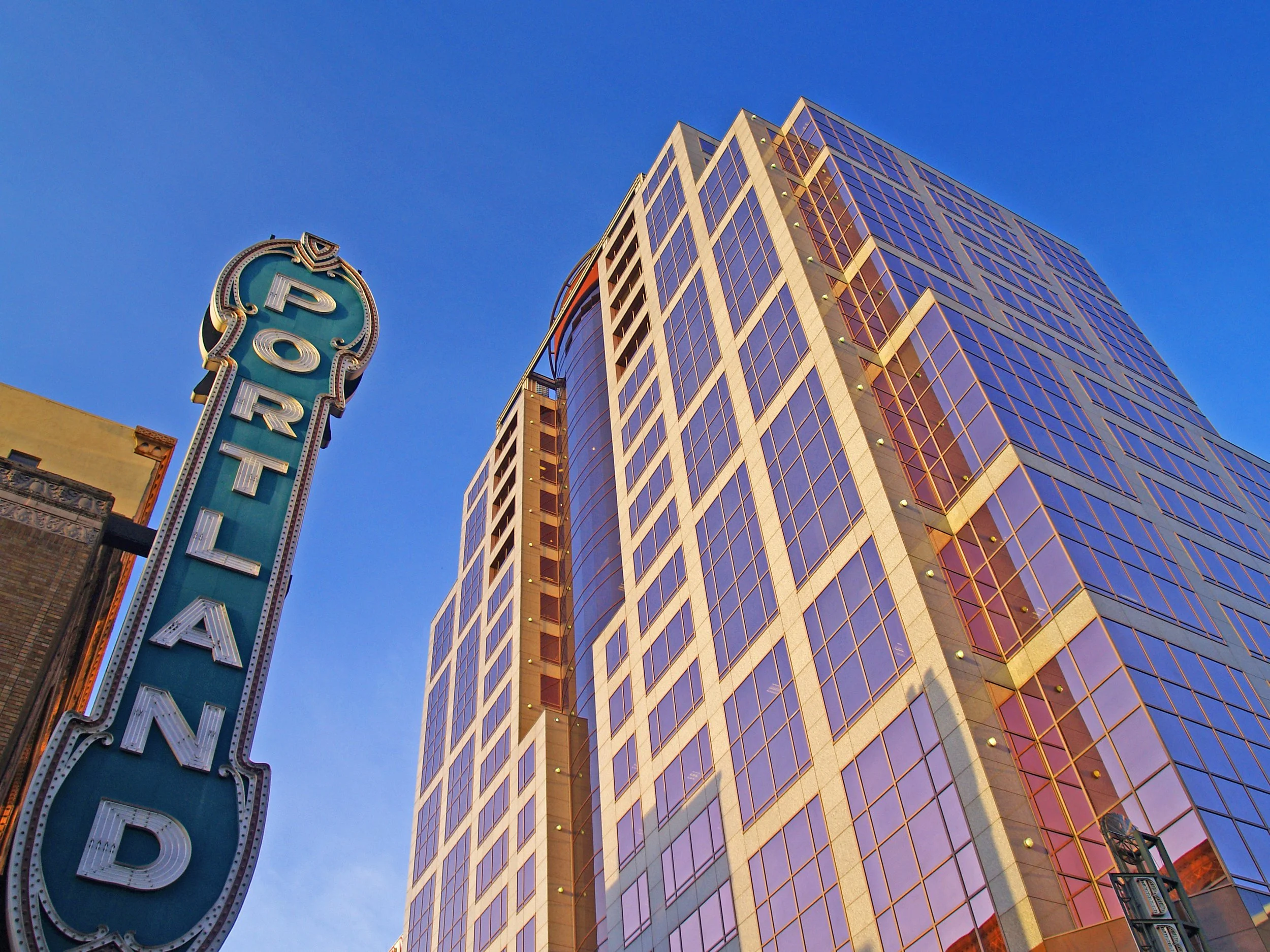
Downtown Portland's office market is at its most challenging point in modern history — and, paradoxically, at one of its most opportune.
The Central Business District posted a 34.7% direct vacancy rate at the end of 2025, more than double its pre-pandemic level. Quarterly leasing averaged just 250,000 square feet last year, down from 400,000 in 2024 and less than a third of the 800,000 square feet per quarter the market averaged at its 2014 peak. The CBD is carrying over 10 million square feet of vacant office inventory — the highest level ever recorded.
For tenants and landlords willing to look past the headline vacancy rate, downtown Portland in 2026 presents a market with significant leverage, emerging demand signals, and a structural transformation underway that will reshape the CBD for the next decade.
Downtown Portland Office Market FAQ
Q: What is downtown Portland's office vacancy rate in 2026?
A: The Central Business District posted a 34.7% direct vacancy rate at the end of 2025, the highest level ever recorded. However, Class A buildings built since 2010 carry just 12.7% vacancy — roughly in line with suburban markets.
Q: Is it a good time to lease office space in downtown Portland?
A: For tenants, yes. Landlords are offering historically aggressive concession packages including elevated tenant improvement allowances, extended free rent, and flexible terms. The effective cost gap between downtown and suburban Class A space has narrowed considerably.
Q: Are companies still moving to downtown Portland?
A: Yes. According to JLL, roughly half of all prospective office tenants seeking space in Portland are looking in the urban core — a return to pre-pandemic search patterns. Fox Tower alone has signed 10 new tenants since summer 2023.
Q: When will Portland's downtown office vacancy rate start declining?
A: Vacancy is projected to peak by the end of 2026 and begin a gradual decline as office-to-residential conversions remove obsolete inventory, lease expirations force decisions, and downtown economic diversification attracts new activity.
Portland Office Building Value Decline: $2 Billion Lost Since 2019
The vacancy numbers tell one story. The assessed values tell another — and it’s worse. According to Multnomah County assessment records reported by KATU, the 20 largest office buildings in Portland have lost nearly 70% of their combined market value since 2019, dropping from roughly $3 billion to just under $1 billion.
Properties like Fox Tower, Montgomery Park, Standard Insurance, and PacWest Center have collectively shed approximately $170 million in taxable value. Across the top 20 buildings, assessed values fell from $1.2 billion in 2019 to $890 million — and market values dropped further.
The fiscal impact is direct. Property tax growth from commercial real estate is expected to generate roughly $8 million this year, compared to the $20 million annual growth Portland had budgeted for. Portland city government anticipated $67 million in budget cuts heading into summer 2025. Portland Public Schools faces a $50 million funding gap.
Property tax appeals from commercial owners have surged: 313 in 2023, 422 in 2024, and 529 already in the current cycle — with projections to exceed 1,000. The county issued over $30 million in appeal refunds across the 2023–2024 cycle. For landlords who haven’t appealed, this represents a concrete tax savings opportunity.
Downtown Portland Office Vacancy Rates in 2026
Not all vacancy is created equal. The 34% CBD figure includes a wide range of building quality, and the spread between asset classes tells a more useful story.
Class A buildings constructed since 2010 carry a vacancy rate of just 12.7% — roughly in line with Portland’s suburban office markets, which entered 2026 in the 12–13% range. The vacancy crisis is concentrated in older Class B and C product, much of which was already struggling before the pandemic accelerated its obsolescence.
For tenants, this means the “best” downtown space is not dramatically oversupplied. The glut is in commodity product that has lost its competitive position. For landlords, it means the gap between well-positioned and poorly-positioned assets has never been wider. Owners of quality buildings with strong amenity packages are still leasing. Owners of aging product without a repositioning plan are watching vacancy compound.
Portland Office Leasing Activity and Demand Signals
Despite the macro numbers, several leading indicators suggest downtown is not being abandoned.
According to JLL’s latest Portland office report, roughly half of all prospective office tenants currently seeking space in Portland are looking in the urban core. That ratio is essentially a return to pre-pandemic search patterns and marks a reversal from the suburban migration trend of 2021–2023.
Specific lease activity backs this up. Fox Tower — a Class A CBD asset — has signed 10 new tenants since summer 2023, including over 43,000 square feet in six recent deals. Tech firm Ubiquiti is relocating to the Aspect building downtown. PaperCut Software is moving to Umpqua Bank Plaza. Law firms, nonprofits, insurance companies, and government-adjacent organizations continue to seek CBD proximity for the same reasons they always have: access to clients, courts, and competition.
The Portland Metro Chamber’s 2026 State of Downtown report found that Central City foot traffic reached 86% of pre-pandemic levels, with 2025 delivering the busiest summer for pedestrian activity since before COVID. Employee and visitor traffic still trail peer cities, but resident-generated activity has been relatively strong.
Jeff Swickard’s $125 million in recent downtown Portland acquisitions — including the Five Oak Building — signals that institutional-quality capital sees generational value at current pricing. Swickard’s thesis: buy at 70% discounts to replacement cost and reposition for the recovery cycle. Whether you agree with the bet or not, the fact that serious capital is deploying downtown while vacancy is at 34% tells you something about where sophisticated investors think values are headed.
Portland CBD Challenges: Hybrid Work, Safety, and Structural Change
Three structural headwinds continue to suppress downtown office demand.
Hybrid work is permanent. The Metro Chamber report is blunt on this point: the story in 2026 is no longer about whether workers will return to offices five days a week. They will not. Even a full hypothetical return to pre-pandemic office attendance would only restore downtown foot traffic to roughly 50% of its former level. The market’s recovery path runs through diversifying downtown’s economic base — more residents, more visitors, more daytime and evening activity — not through restoring 2019 commuting patterns.
Safety and livability concerns persist. Portland’s Central City still faces perception challenges around street-level conditions, and these perceptions directly affect tenant site selection decisions. Employers evaluating downtown against suburban alternatives weigh these factors heavily, particularly when recruiting.
Tax and cost structure. Portland’s business tax environment, including the Metro supportive housing tax, Multnomah County’s Preschool for All tax, and the city’s own business license tax, creates a cost premium that suburban locations avoid. For tenants negotiating lease renewals downtown, these costs increasingly factor into stay-or-move analysis.
What’s changing is the city’s approach. Prosper Portland has launched conversion pilot loan programs targeting embodied carbon reductions in office-to-residential projects. City ordinances adopted in 2023 eased seismic retrofit requirements for conversions and exempted qualifying projects from system development charges. Approximately 4.6 million square feet of downtown office space — about 11% of total inventory — has realistic conversion potential, which could yield roughly 6,100 housing units. That pipeline, if even partially realized, would remove obsolete inventory from the office market while adding the residential density downtown needs.
Portland Office Lease Strategy for Tenants in 2026
If you’re a tenant with a lease expiring in the next 12–24 months, the downtown Portland office market in 2026 offers leverage that may not last.
From a brokerage standpoint, the tenants getting the best deals right now are the ones who start 12–18 months before expiration and create competitive pressure between two or three buildings. I’ve seen TI packages of $60–$80/SF on 7-year terms in the CBD — numbers that would have been laughable in 2019. The leverage window is real, but it has an expiration date: once conversions remove supply and new construction stays at zero, concessions will tighten.
Concession packages are aggressive. Landlords competing for tenants in the CBD are offering historically favorable terms: elevated tenant improvement allowances, extended free rent periods, and flexible expansion and contraction options. For tenants willing to commit to quality space, this is a buyer’s market.
Suburban isn’t automatically cheaper. While suburban vacancy is lower (12–13%), the effective cost gap between downtown and suburban Class A space has narrowed considerably as downtown landlords compete on price. Run the full occupancy cost comparison — base rent, operating expenses, TI amortization, and CAM charges — before assuming a suburban move saves money.
Start your search early. Even in a high-vacancy market, the best spaces get absorbed first. Class A product with strong amenity packages and walkable locations is not sitting vacant for long. Begin your site search 12–18 months before your lease expiration to preserve negotiating leverage.
Portland Office Landlord Strategy: Repositioning and Retention
For downtown office owners, 2026 is a year of honest assessment.
Invest in repositioning or accept reality. The market has bifurcated. Well-amenitized Class A product in good locations is performing reasonably. Everything else is competing for a shrinking pool of tenants willing to occupy commodity space. If your building can’t compete on quality, explore repositioning, adaptive reuse, or disposition. Holding aging product in a market with 10 million square feet of vacant inventory and hoping for a cyclical recovery is not a strategy — it’s a bet against structural change. Our guide on how to market vacant commercial space covers positioning strategies for landlords facing this decision.
Watch the lease expiration pipeline. JLL identified approximately 4.5 million square feet of office leases that expired in 2025 across the Portland metro. Tenants who signed renewals during the pandemic at favorable rates are now re-evaluating. This creates both risk (more potential vacancies) and opportunity (tenants re-entering the market with updated space requirements).
Understand your position relative to the conversion pipeline. If your building falls within the 4.6 million square feet identified as conversion-eligible, that is relevant market intelligence. Conversions remove office supply from the market, which ultimately benefits remaining office assets by tightening the supply-demand balance. But if your building is the one being discussed for conversion, the calculus is different.
Downtown Portland Office Market Outlook 2026
Downtown Portland’s office market is not going to recover to 2019 levels. That baseline is gone. But vacancy is projected to peak by the end of 2026 and begin a gradual decline as conversions reduce supply, lease expirations force decision-making, and the economic diversification of the Central City attracts new activity.
The market is resetting, not dying. For tenants, the opportunity is securing quality space at historic concession levels. For landlords, the opportunity is positioning assets for the market that’s emerging rather than the one that’s gone. For investors tracking Portland’s capital markets, downtown office assets — particularly conversion candidates — represent a segment where pricing has already adjusted and value creation strategies are viable.
The path forward for downtown Portland depends less on whether people come back to the office and more on whether the city builds a Central City worth coming to for multiple reasons. The data suggests that process is underway, albeit slowly.
Ready to evaluate your options in downtown Portland’s office market? Whether you’re a tenant exploring what concession packages look like in 2026 or a landlord assessing repositioning strategies, start with a market-specific analysis of your situation.